

Rent, or buy?
The honest comparison is not rent against mortgage payment — it is the full cost of owning against the full cost of renting, over how long you actually plan to stay.
Renting and leasing · 3 paths
Not one sequence but three audiences. Whether you are renting a home, renting one out, or leasing space for a business, the rules are different — start on your own side.
Ontario gives residential tenants stronger protections than most renters realise — and a tight rental market is the worst possible time to learn them. Most private residential tenancies must use Ontario's standard lease, so if you are handed something exotic, ask why. Read it before the deposit leaves your account, not after.
Paying anything before seeing the actual unit. Rental scams collect deposits for places the "landlord" does not own — insist on seeing the unit, or at minimum a live video walkthrough, before any money moves.
 Renters' rights in Ottawa — what's legal, what isn't, and what your landlord can't do
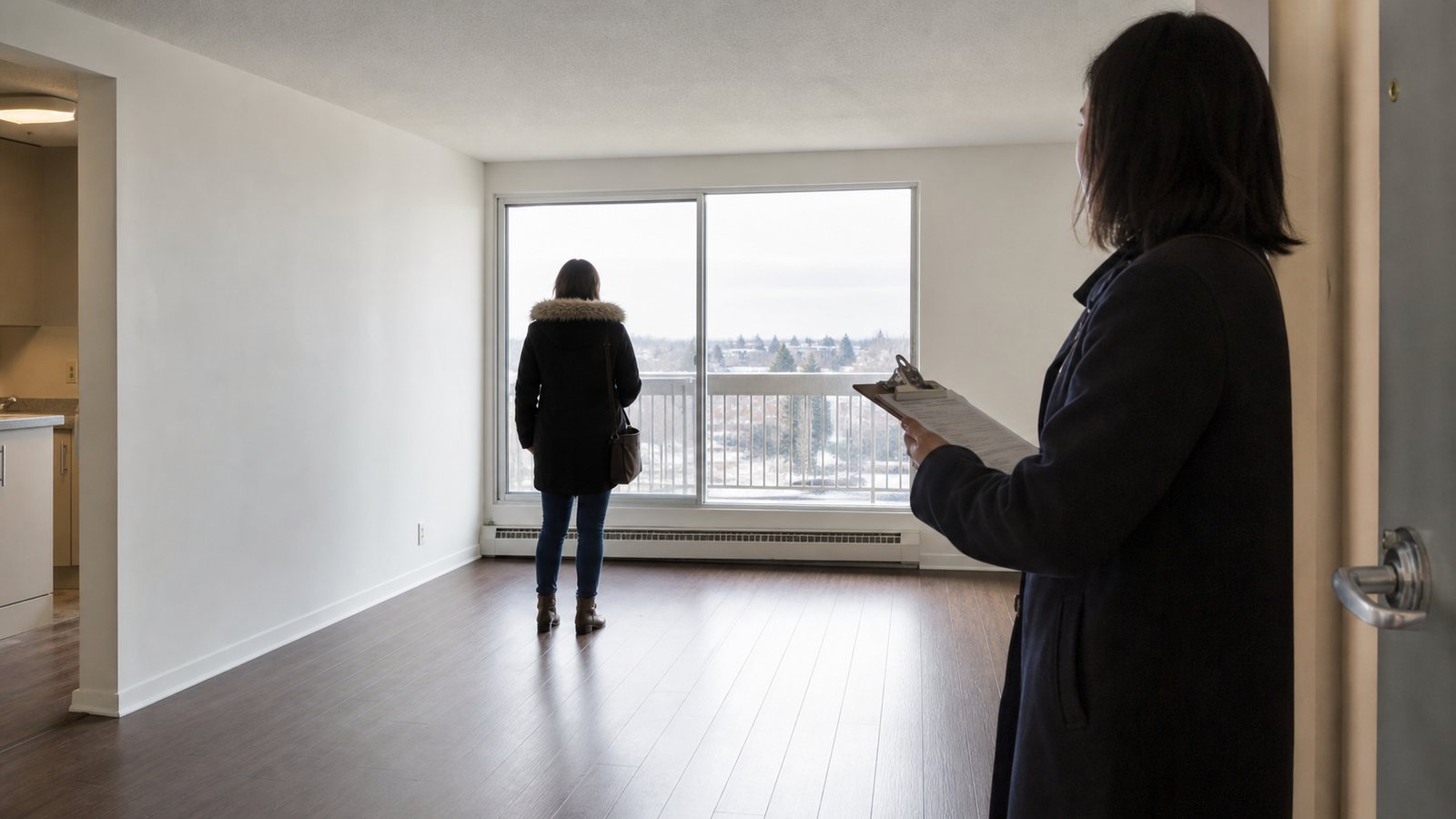 What to ask when renting in Ottawa — who the person showing you the unit works for
Becoming a landlord in Ontario means entering one of the most regulated tenancy systems in the country. It is profitably and legally manageable — but only if you learn the rules before the first tenant rather than during the first dispute.
Budgeting with zero vacancy and zero repairs. Mortgage, property tax, a landlord insurance policy (not a homeowner one), maintenance and the empty months between tenants all have to fit — if the numbers only work perfectly, they don't work.
 Becoming a landlord in Ottawa — your landlord responsibilities, before the first tenant
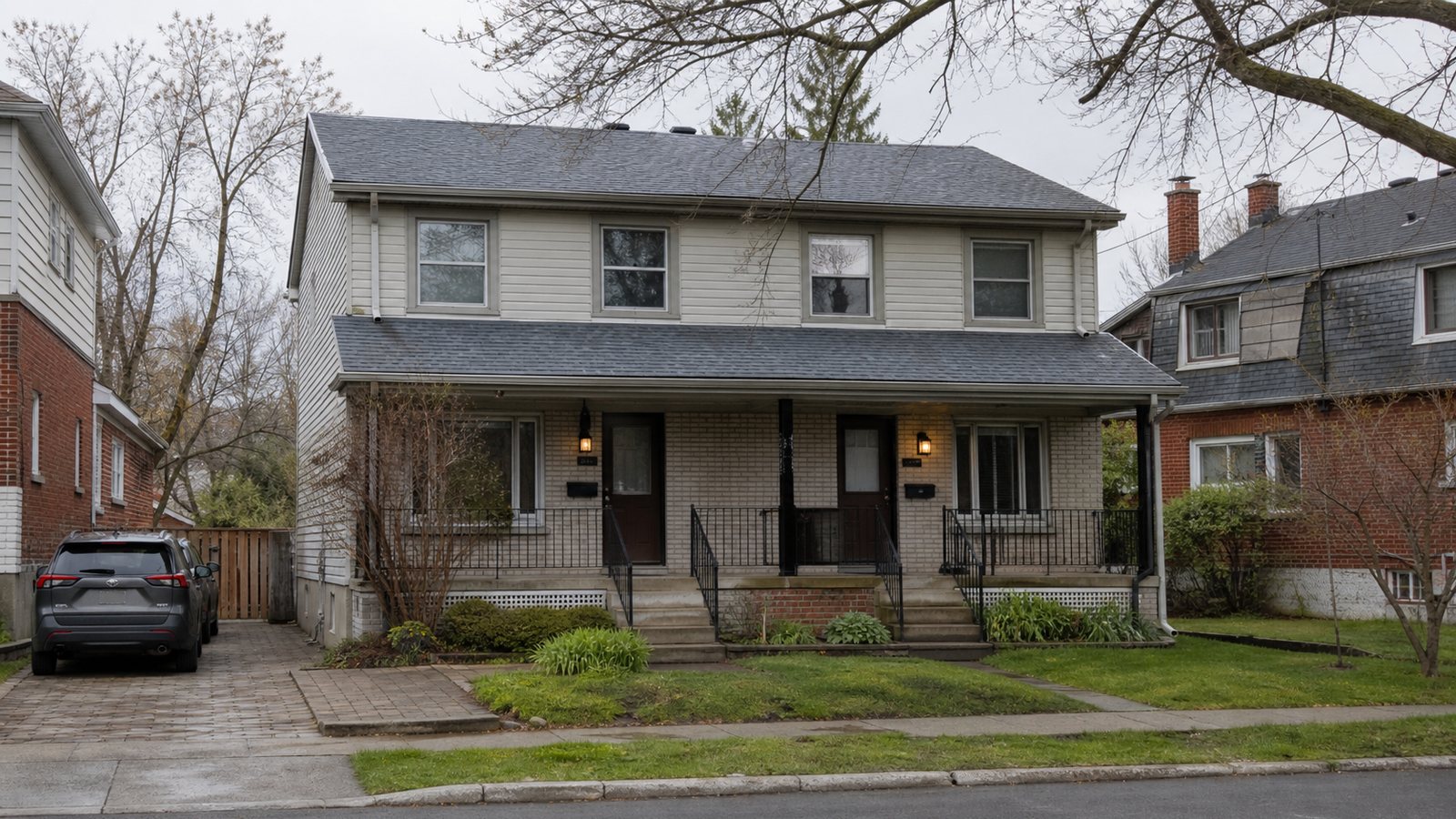 Selling with tenants in Ontario — the rules that outrank your sale
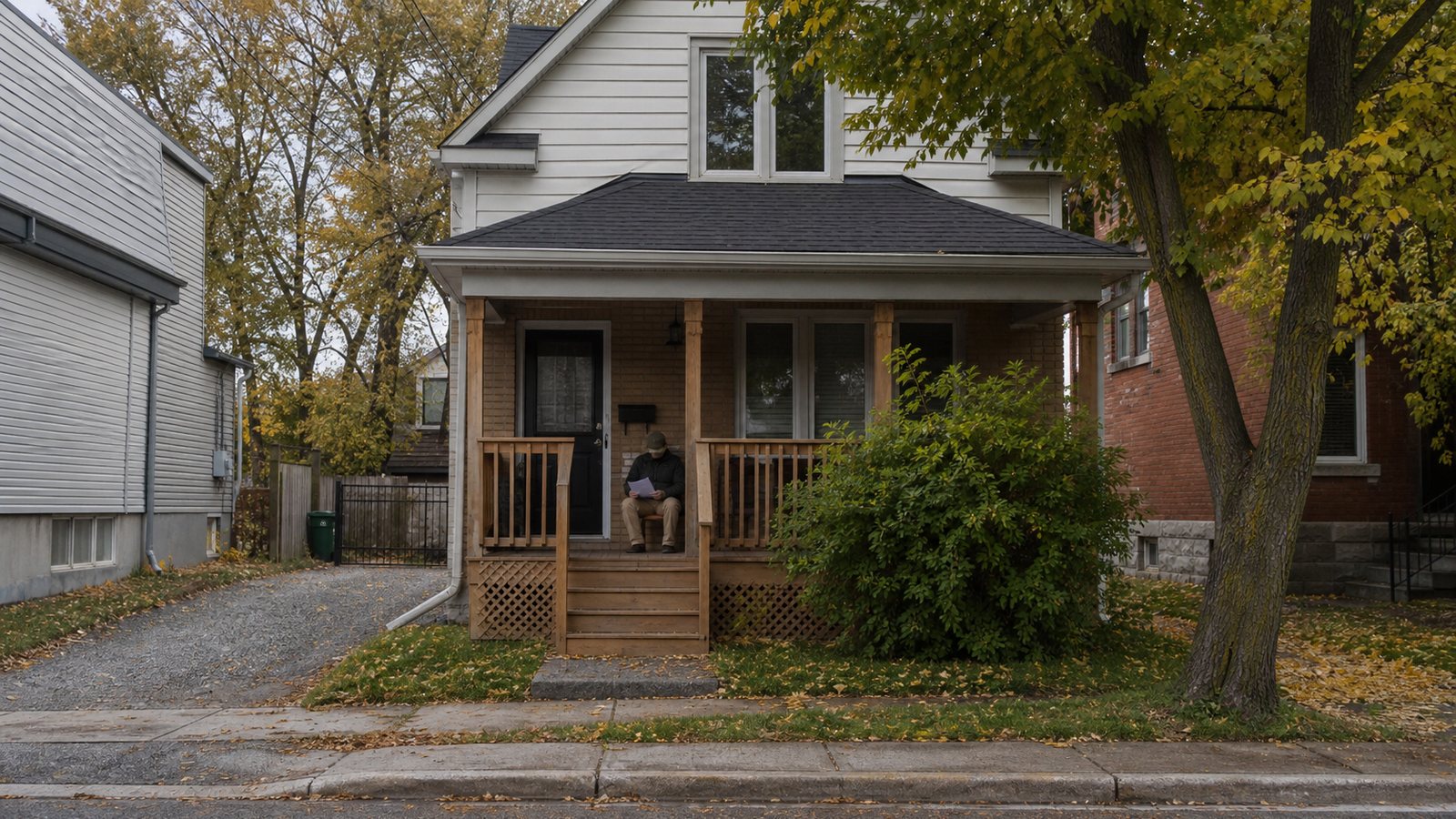 What gets sold to Ottawa landlords — and who's paid when you say yes
Commercial leasing is a different legal world: the residential protections above do not apply. It is governed by your contract and, lightly, by Ontario's Commercial Tenancies Act — so almost everything is negotiable, and anything you do not negotiate is negotiated in the landlord's favour by default. The lease is not paperwork confirming a deal; the lease is the deal.
Assuming there is a tribunal behind you. There is not. The Act does not control commercial rent increases; where rent goes unpaid a landlord may change the locks after 16 days or seize and sell property to recover arrears; and disputes go to Small Claims Court under $50,000, or the Superior Court above it.
Checklists
Three different jobs, three different lists — 42 items in total. Pick the one that is yours; you will only see that one, and only that one prints.
Tick items as you go — your progress is saved in this browser and prints with the sheet.