Becoming a landlord in Ottawa — your landlord responsibilities, before the first tenant
Ontario landlording is a regulated business wearing a side-hustle costume. Your landlord obligations from day one: whether the unit is legal, screening tenants inside the rules, the standard lease, how rent increases really work, maintenance, notice of entry, and how a tenancy lawfully ends.
By Ottawa Property Guide EditorialPublished July 23, 2026 Last verified July 31, 2026
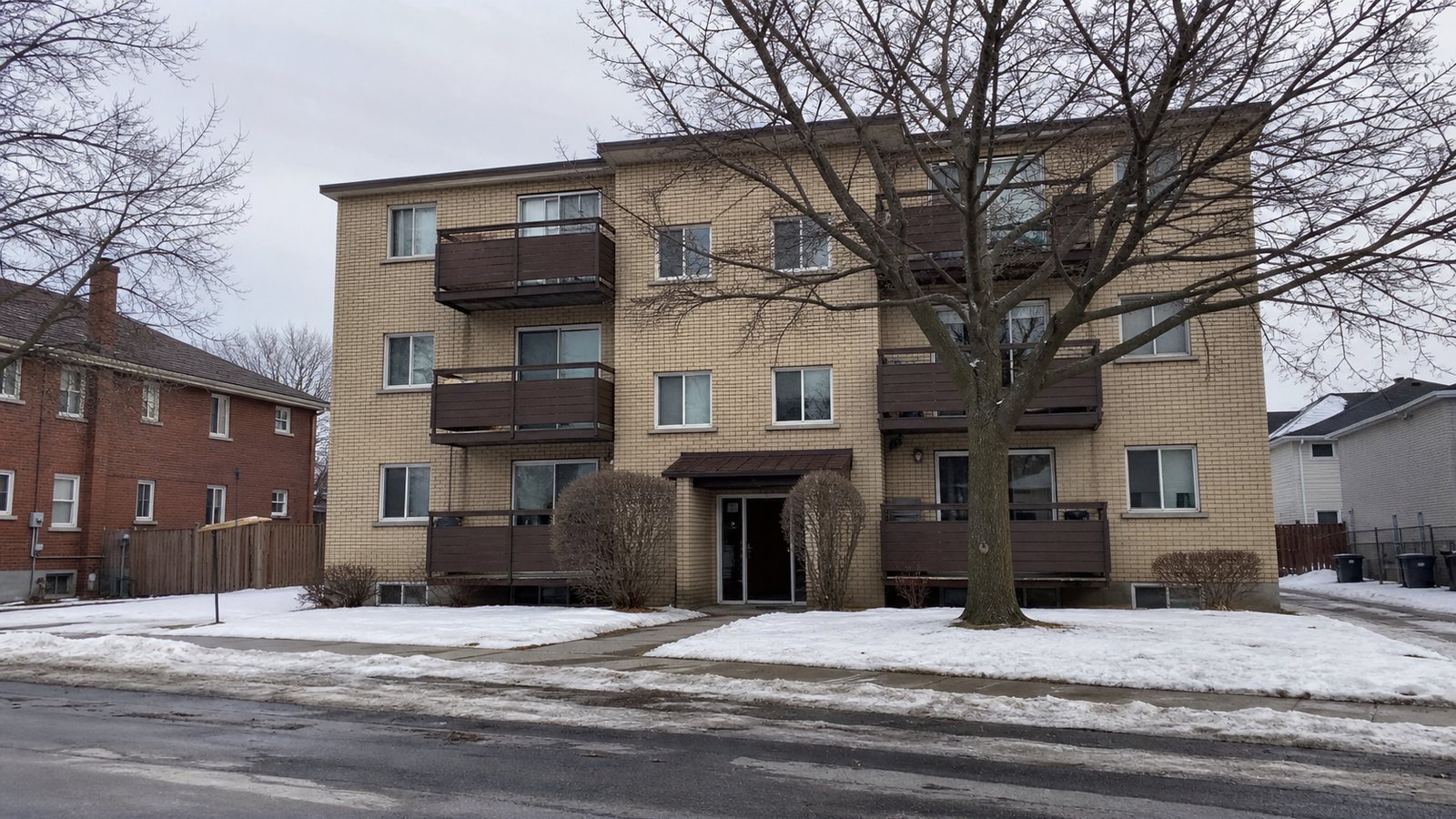
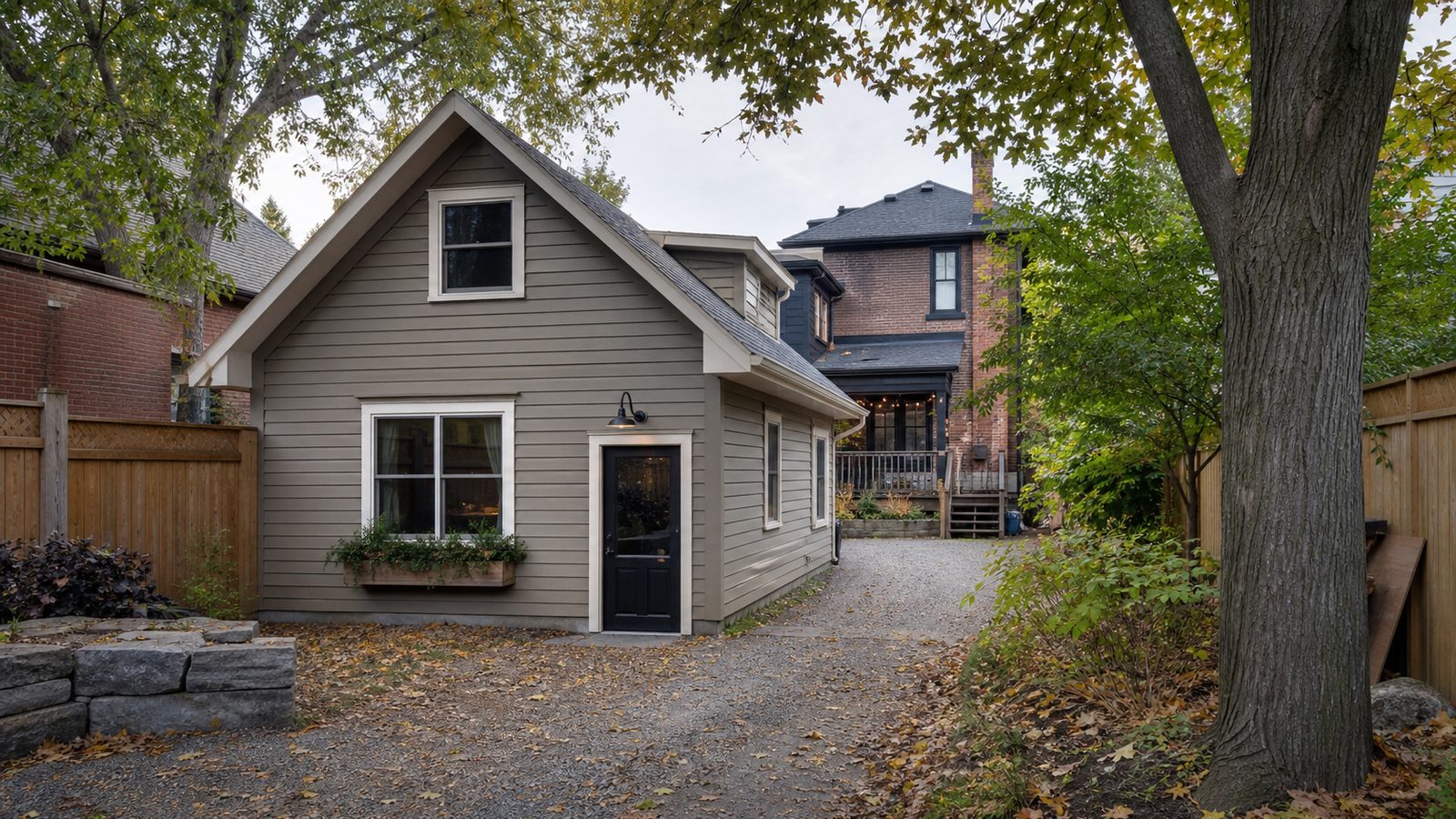
Illustrative image — not a real address or listing.
Renting out a property in Ontario can absolutely be worth doing — steady income, a building asset, a real service to a city short of rentals. What it cannot be is casual. The Residential Tenancies Act (RTA) governs nearly every private residential tenancy in the province, its protections tilt deliberately toward tenants staying housed, and the landlords who thrive are the ones who learn the rules before the first showing rather than during the first dispute.
Before anything: is your secondary suite a legal unit?
The decision to become a landlord in Ontario is a decision to run a regulated business, and the rules bind you from the first advertisement rather than from the first problem.
Is it a legal unit? A secondary suite or basement apartment has to be a permitted unit, not merely an existing one. The unit itself — a rental must meet health, safety, housing and maintenance standards; a basement apartment must be a lawful unit (zoning, fire separation, egress, ceiling heights). An unpermitted unit is a liability wearing rent
Insurance — your homeowner policy does not cover a rental operation; you need a landlord policy, and it's reasonable to require tenants carry tenant insurance for their own contents and liability
Your lender and city — mortgage terms and, where applicable, city rental requirements should know what the property is doing
The money math, honestly — mortgage, tax, landlord insurance, maintenance, the months between tenants, and the repairs that don't ask permission. If the numbers only work at 100% occupancy and zero repairs, they don't work
Screening tenants — inside the lines
You may screen applicants — income information, credit checks, references, rental history are all standard — but screening must stay inside Ontario's Human Rights Code: decisions can't discriminate on protected grounds (race, family status, receipt of public assistance, disability and others), and 'no kids' or 'no ODSP' style filters are illegal, not merely impolite. The practical protection is consistency: the same questions, the same criteria, applied identically to every applicant, with records kept.
The lease: Ontario decided the format for you
Most private residential tenancies must use Ontario's standard lease form — a plain-language template with defined fields and an appendix explaining both sides' rights. You can attach additional terms, but anything conflicting with the RTA is void no matter what the tenant signed. Around money at signing, the rules are specific: you may collect a rent deposit of at most one rental period (it applies to the last rent period, not to damages — Ontario has no damage deposits), it earns interest at the guideline rate, and a refundable key deposit at actual replacement cost is the only other deposit allowed.
Rent increases: guideline, notice, and the newer-building exception
Rent can generally be increased only once every 12 months, with at least 90 days' written notice on the proper form (N1)
For most units, the increase is capped at the province's annual rent increase guideline, published each year
Units first occupied for residential purposes after November 15, 2018 are currently exempt from the guideline cap (notice and frequency rules still apply) — check the current rule against the official source before relying on it
Increases above the guideline for capped units require an LTB application and approval, not a bolder letter
While the tenancy runs: repairs, landlord entry and your responsibilities
Maintenance and repair of the unit is the landlord's responsibility — the standard is good repair and fitness for habitation, and 'the lease says otherwise' doesn't change it. Entry has rules: outside emergencies, you enter with 24 hours' written notice, between 8 a.m. and 8 p.m., for permitted purposes (repairs, inspections, showings in defined circumstances). The unit is the tenant's home; treating it that way is both the law and the thing that keeps good tenants renewing. Vital services can't be withheld, and 'self-help' remedies — changing locks, removing belongings, cutting the heat — are the fastest route a landlord has to serious LTB consequences.
Ending a tenancy — and why eviction is a process, not a decision
A fixed-term lease does not end the tenancy: at term's end it continues automatically month-to-month on the same terms. Tenancies end lawfully in limited ways: the tenant gives proper notice (N9) or both sides sign a mutual agreement (N11); or the landlord serves grounds-based notice on the correct form — non-payment (N4), landlord's or purchaser's own use (N12, with compensation and genuine-intent requirements), substantial renovation (N13), or conduct grounds (N5 family and others) — most of which end at the LTB if the tenant doesn't agree. Every notice has a prescribed form, notice period and compensation rule; a defective notice usually means starting over. Budget time accordingly, and get advice before serving anything you haven't served before.
The operating habits that prevent disputes
Everything in writing, always — notices, agreements, repair requests and your responses
Document the unit's condition at move-in and move-out, with dated photos
Respond to repair requests promptly and keep receipts — maintenance disputes are the most preventable kind
Keep rent records meticulously; provide receipts on request (required)
Know where the LTB forms live, and use the current version — forms change
Treat the relationship professionally: most tenancies that end badly started ending at the first ignored message
The bottom line
Becoming a landlord is taking on a regulated activity with real landlord responsibilities attached, and most of what goes wrong is procedural rather than dramatic. First and last month's rent, the standard lease, notice before entry, repairs done rather than deferred, and a lawful route when a tenancy ends — get those right and the rest is administration. What gets sold to you along the way is covered in what landlords get sold.
An Ottawa income property is an operating business that happens to be a building. Buying a rental property changes the financing, the tax treatment and what you must budget for — and the number that decides whether it works is not the purchase price. What to run before you shortlist, and what makes a property a poor rental at any price.
An in-law suite, a granny flat, a garden suite, a basement apartment — an Ottawa lot with a principal dwelling may have up to two additional dwelling units, three in total, but how many you actually get depends on your servicing rather than your ambition. What makes a legal basement apartment, why a septic system caps you at one, and why converting an existing basement still needs a permit.
Becoming a landlord makes you a customer for a whole industry: property management, a tenant placement fee, guaranteed-rent schemes, landlord insurance, courses and contractors. Who is paid when you say yes, what tenant screening you are really buying, and the landlord mistakes the pressure of an empty unit produces.
You can sell a home with a tenant in it — but the tenancy doesn't end because you listed, showings have rules, and ending a tenancy for a buyer's own use involves specific forms, notice periods and real penalties for getting it wrong. This is the guide sellers skip and regret. What happens to tenant rights on sale, how showings with tenants actually work, and what a buyer own use N12 does and does not allow.
Condo fees get treated like a penalty box on listing sheets, but they're really a bundled bill for things every homeowner pays somehow. Here's what the fee typically buys, what a reserve fund is for, and why a suspiciously low fee deserves more scrutiny, not less. What do condo fees cover, why maintenance fees and condo fees are the same thing under two names, and why the lowest fee is rarely the prize.
Ontario tenants have stronger protections than most renters realize — and rental markets move too fast to learn them mid-crisis. What's legal at signing including first and last month's rent, what the standard lease means, rent control and the guideline increase, landlord entry and notice of entry, pets and no-pet clauses, and how to break a lease or end a tenancy properly.
July 23, 2026Updated July 31, 2026
Get Ottawa property guidance in your inbox
You'll get: First-time buying explainers · Selling guidance · New-build and builder updates · Neighbourhood guides · Renting and ownership costs · Local market context.
Occasional emails. No spam, and you can unsubscribe with one click. By subscribing you consent to receive emails from Ottawa Property Guide. We record the date and source of your consent, as Canadian anti-spam law (CASL) requires. Read our privacy policy.