





The buying process · 8 steps

Buying a home in Ottawa, step by step

From working out what you can carry to the first month after the keys. Each step tells you what happens, what you'll need, roughly what it costs, and where people get caught out.

Last verified July 2026 About 3 minutes to read
The journey
Still deciding → Under contract → Living in it
Step 01 of 8 Work out what you can afford
01 Work out what you can afford Two numbers: what a lender will lend, and what you can actually carry each month
Still deciding

Before looking at a single listing, work out the two numbers that shape everything: what a lender will let you borrow, and what you can comfortably carry each month once heat, property tax, condo fees and maintenance join the mortgage. Federally regulated lenders apply a mortgage stress test — you qualify at a higher rate than you'll actually pay — so your real budget is usually smaller than a mortgage calculator suggests.

What you'll need
Pay stubs, current debts, down-payment total, a realistic monthly budget
Typical cost
Nothing — this step is arithmetic
How long
An evening, honestly done
Where people get caught out

Budgeting to the maximum approval, then discovering property tax and utilities are on top of the mortgage payment — not inside it.

Next step Back to top
02 Get pre-approved and gather your team A ceiling, not a guarantee — and the moment to line up your lawyer, inspector and mortgage contact
Still deciding

A mortgage pre-approval tells you what a lender will commit to, usually holds a rate for a period, and makes any offer you write more credible. It's also the moment to assemble your team: a mortgage professional, a real-estate agent if you choose to work with one, and — non-negotiable in Ontario — a real-estate lawyer to close the purchase. Interview more than one; how they explain things now is how they'll treat you under pressure later.

What you'll need
A completed mortgage application, proof of income and assets, and a shortlist of professionals to interview
Typical cost
Free to apply for pre-approval; a real-estate lawyer's fee comes later, at closing
How long
A few days for pre-approval; interviewing your team can take a couple of weeks
Where people get caught out

Treating the first pre-approval number as fixed — it's a ceiling, not a guarantee, and it usually holds a rate for a set period, not forever.

Previous step Next step Back to top
03 Decide: resale or new build? Two different transactions — weeks to keys, or a builder's contract and staged deposits
Still deciding

This choice splits the journey in two. A resale purchase moves fast — weeks between offer and keys. A new build is a different transaction altogether: a builder's contract, staged deposits, a design studio, and a year or more of construction between signing and moving in. Ottawa has an unusually active new-build market, and it's the part of the process we cover most deeply.

What you'll need
A clear read on timeline — whether you need to move in months, or can wait a year or more
Typical cost
No cost to decide, but a new build carries staged deposits a resale purchase doesn't
How long
Worth a proper week of comparison before you commit either way
Where people get caught out

Assuming a new build's move-in date is as fixed as a resale closing date — construction timelines shift, and the builder's contract explains how.

Previous step Next step Back to top
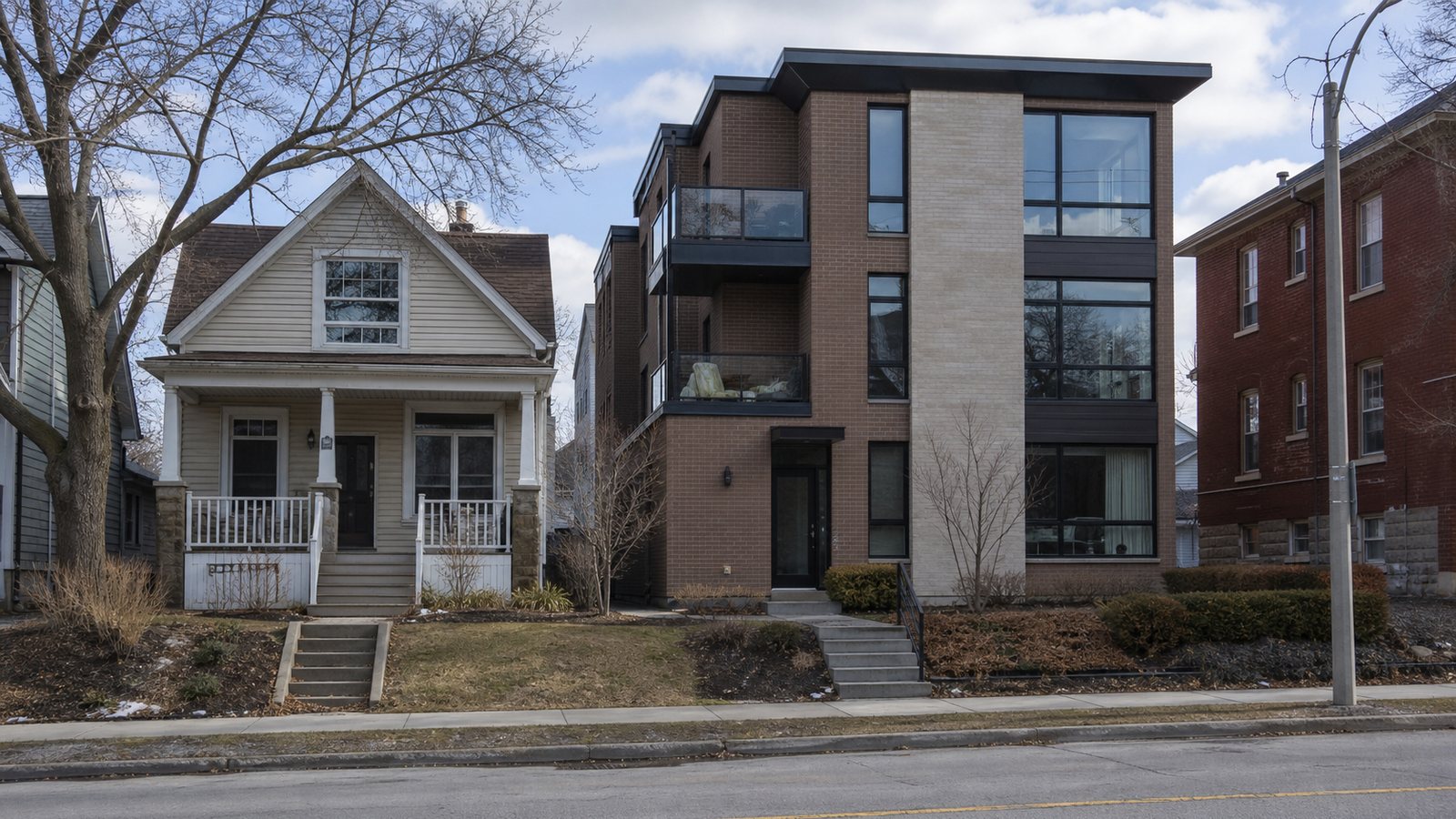
04 Choose your areas and home types Location and housing type set your real budget more than anything else
Still deciding

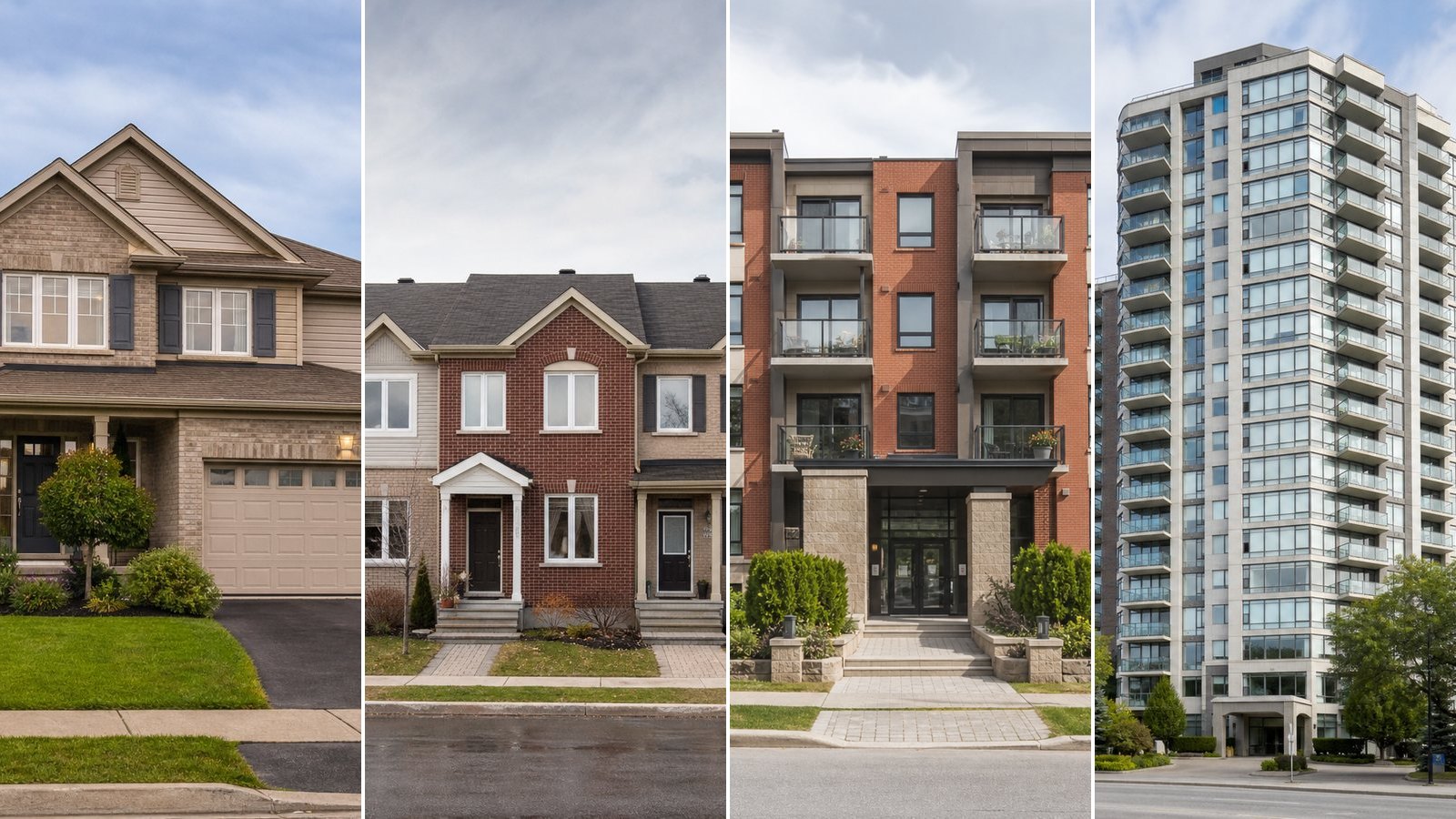
Location and housing type set your real budget more than anything else. The same money buys a detached home in one part of the city and a two-bedroom condo in another — and each type carries a different ownership model and cost pattern, from a condo's fees to a freehold's maintenance. Our neighbourhood guides describe character and trade-offs without ranking anywhere.

What you'll need
A weekday commute test, a shortlist of areas, and a view on upkeep vs. fees
Typical cost
Nothing — this step is comparison, not spending
How long
A weekend of comparing areas and housing types side by side
Where people get caught out

Choosing an area from a map and a price, then finding the commute is unliveable in February. Drive it, or ride it, before you shortlist.

Previous step Next step Back to top
05 View homes and do the checks Viewing checklist · home inspection · status certificate for condos
Under contract

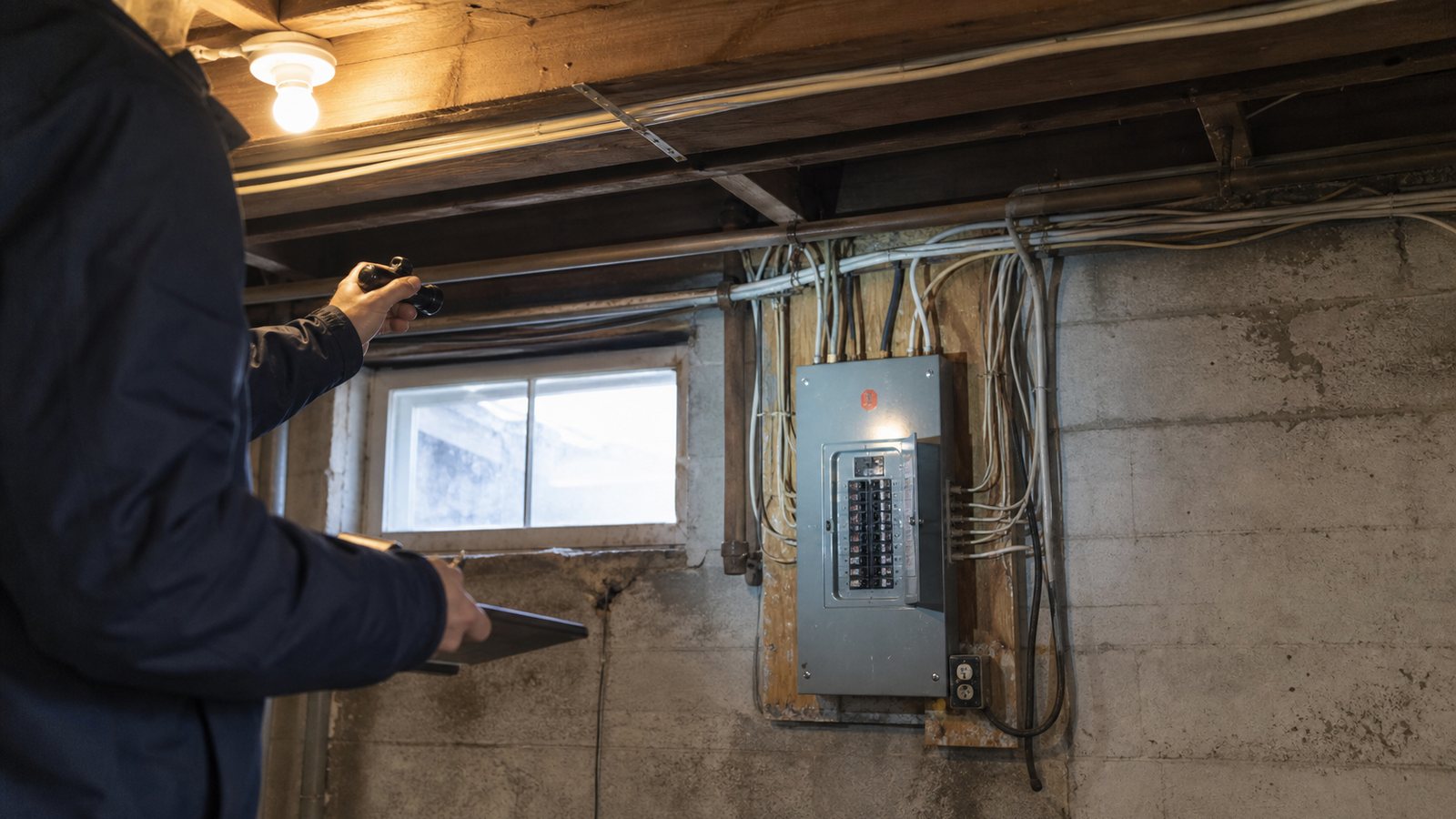
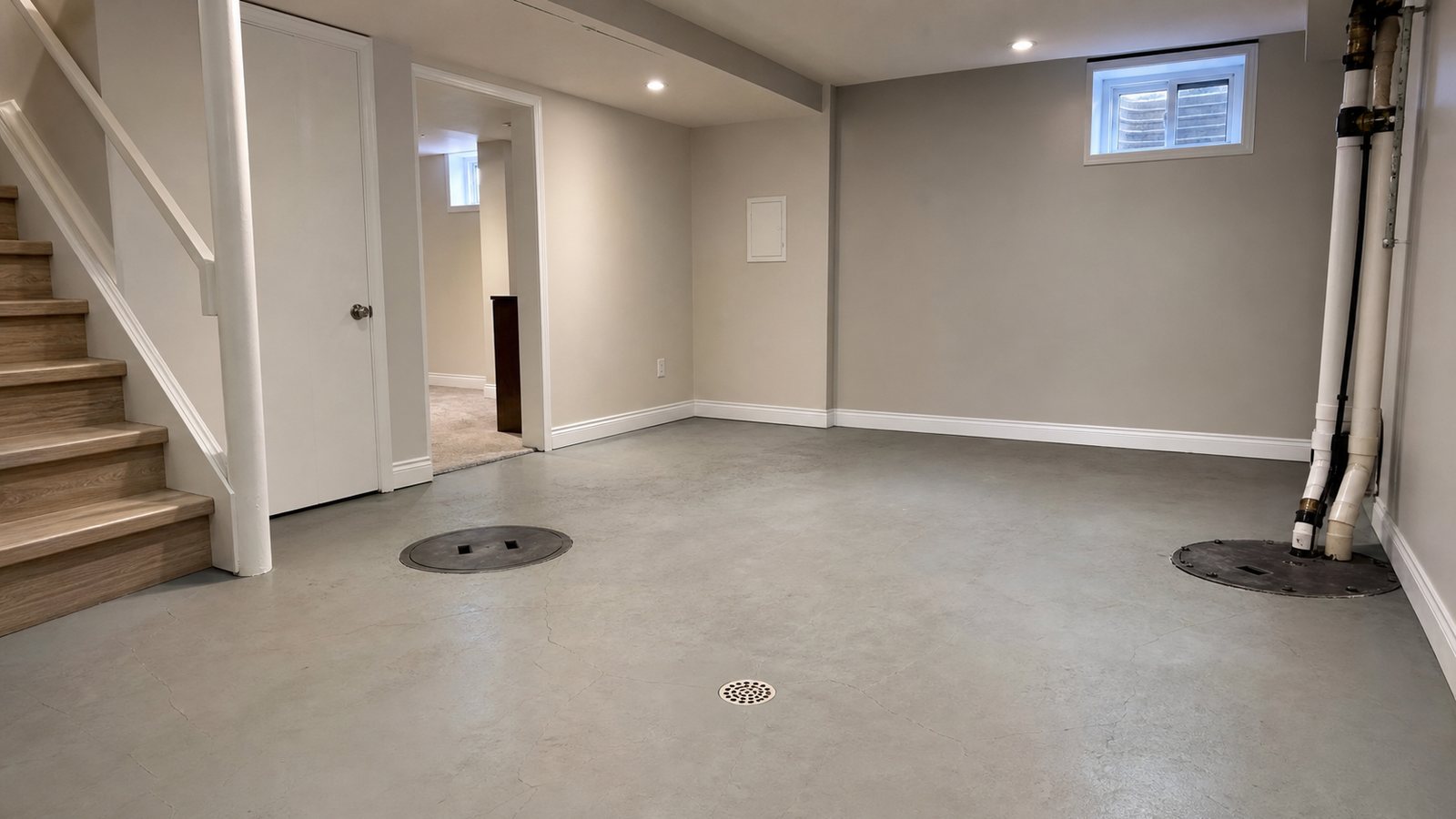
Viewings are short and persuasion is professional — go in with questions written down. For resale homes, a home inspection tells you what condition you're really buying, and for condos, the status certificate tells you what condition the building's finances are in. Neither is a formality; both have saved buyers from expensive surprises.

What you'll need
A written question list, a flexible viewing schedule, and an inspector or condo-document reviewer on call
Typical cost
A home inspection is a few hundred dollars; a status certificate review is billed by your lawyer
How long
Viewings are short; a proper inspection or status certificate review takes longer than people expect
Where people get caught out

Treating a viewing as the whole due-diligence process. The inspection — and for condos, the status certificate — is what actually tells you what you're buying.

Previous step Next step Back to top
06 Make an offer A legal document, not a conversation — price, conditions, deposit, irrevocable date
Under contract

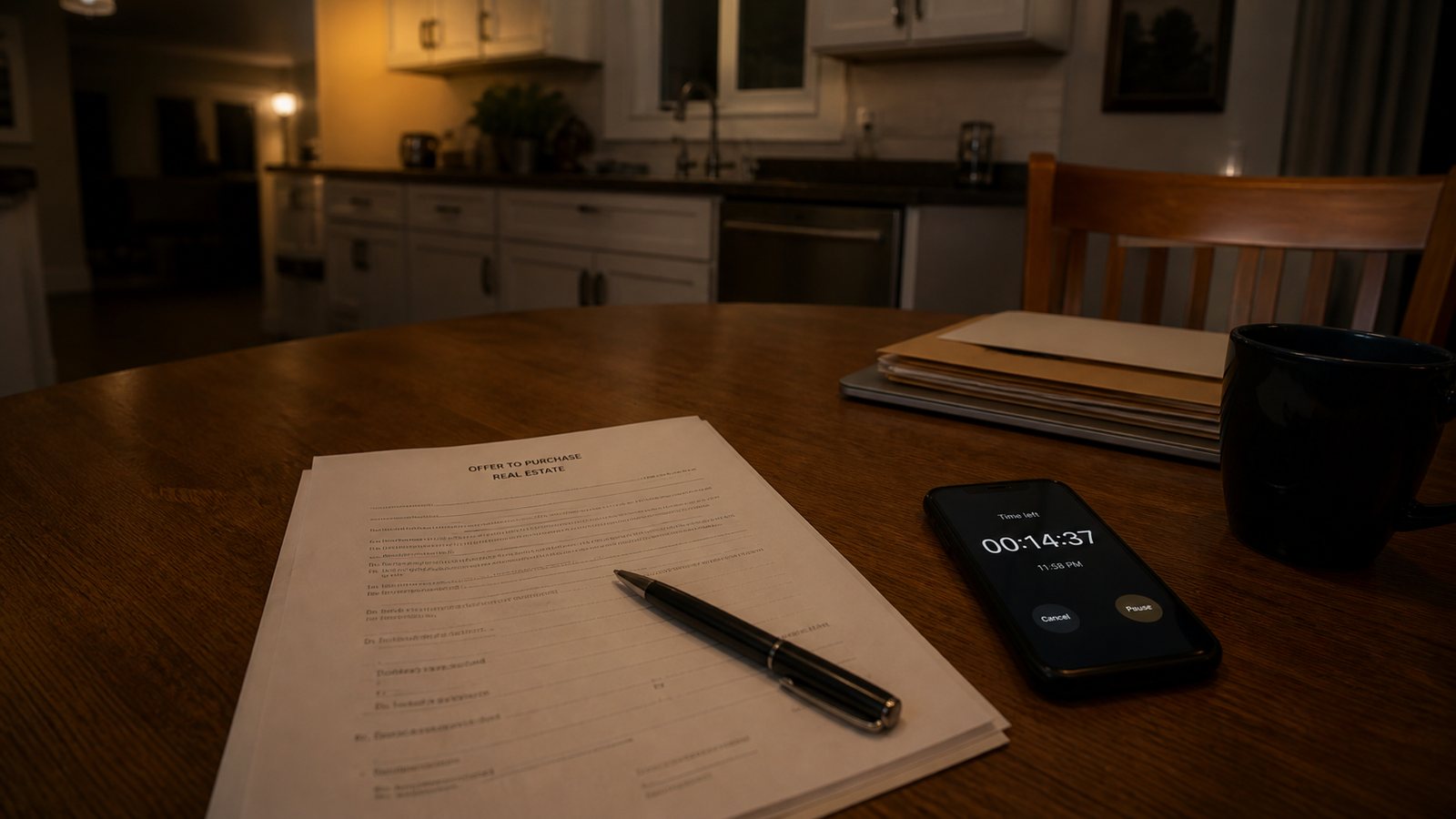
An offer in Ontario is a legal document, not a conversation opener. The price gets the attention, but the conditions — financing, inspection, status certificate review — are what protect you, and the deposit shows you're serious. In a competitive moment you may feel pressure to drop conditions; understand exactly what you're giving up before you do.

What you'll need
Your pre-approval, a deposit ready to move, and clarity with your agent and lawyer on which conditions you will and won't waive
Typical cost
The deposit itself, plus whatever conditions you choose to include or drop
How long
An offer can be written in a day; a competitive one may need to move fast
Where people get caught out

Dropping financing or inspection conditions under pressure without understanding exactly what protection you're giving up.

Previous step Next step Back to top
07 From acceptance to closing Title search · mortgage finalised · land transfer tax, legal fees and adjustments
Under contract

Between an accepted offer and key day, your lawyer searches title, your lender finalizes the mortgage, and the closing costs arrive — Ontario land-transfer tax, legal fees, adjustments, title insurance. Budget for them early: they're payable in cash on closing and consistently underestimated. Unlike Toronto, Ottawa has no municipal land-transfer tax on top of the provincial one.

What you'll need
Your lawyer engaged early, funds for closing costs set aside, and your lender's paperwork moving
Typical cost
Land transfer tax, legal fees, adjustments and title insurance — due in cash on closing
How long
Typically weeks between an accepted offer and key day
Where people get caught out

Budgeting only for the down payment and forgetting closing costs are a separate, additional cash requirement.

Previous step Next step Back to top
08 Move in — and own the first year well Utilities and tax account · insurance start date · Ottawa's seasonal maintenance
Living in it

The transaction ends; ownership starts. The first year is about learning the house and the rhythm of Ottawa's seasons — what fall maintenance actually involves here, what utilities run in a real winter, and building the habit of setting money aside for the repairs that haven't announced themselves yet.

What you'll need
Utility and property-tax accounts set up, insurance active from day one, and a maintenance rhythm for the season you move into
Typical cost
No new transaction cost, but ongoing ownership costs start the day you get the keys
How long
The first year is the learning curve — the rhythm gets easier after that
Where people get caught out

Not budgeting for the repairs and maintenance that haven't announced themselves yet — Ottawa's seasons are hard on a house.

Ottawa Property Guide is an independent information publication — not a brokerage, real-estate agent, or financial advisor. Content is general educational information, not professional advice. Full disclaimer.