

Barrhaven
Ottawa's fast-grown southwest suburb — newer family housing at scale, big-box convenience, strong community infrastructure, and a car-first commute that residents plan their lives around.
Neighbourhood guide · Suburban Ottawa
Ottawa's big east-end suburb — bilingual community life with deep francophone roots, family subdivisions from the 1980s onward, river and greenbelt edges, and an LRT arrival that is rewriting its commute story.
Last reviewed July 22, 2026 · Assessments of neighbourhood character are editorial opinions based on local knowledge, not measured data.
Housing you'll find here: Detached · Semi-detached · Townhouse · Stacked town — each links to what that type is and its trade-offs.
Orleans is the east end's family suburb, and it carries a character the western suburbs don't: deep francophone roots that show up in schools, services, signage, and community life. It grew in waves from the 1980s onward along the Ottawa River's south shore, and today it's one of the city's largest suburban areas — established enough to have mature streets, big enough to contain its own full retail and recreation world.
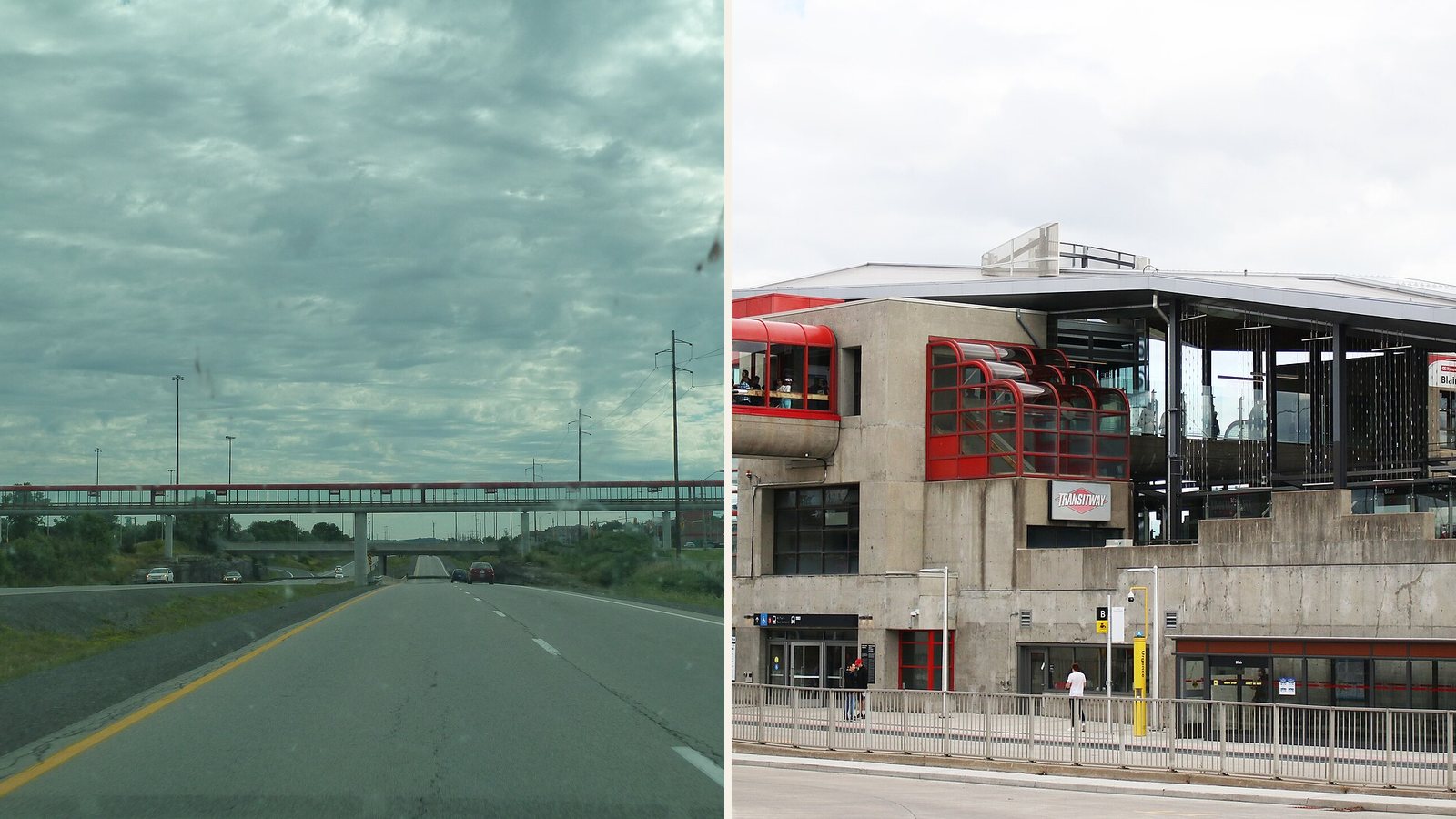
For years the knock on Orleans was the commute — a long, congested slog west on Highway 174 or a slow bus. The extension of Line 1 east through Orleans to Trim changed that calculation, putting rail service in the suburb itself. It doesn't make Orleans central, but it removes the biggest historical argument against it, and that shift is worth weighing freshly rather than relying on the suburb's old reputation.
Orleans occupies Ottawa's east end along the south shore of the Ottawa River, east of the greenbelt, roughly organized around St. Joseph Boulevard, Innes Road, and the Highway 174 corridor, running out toward Trim Road. It contains many named communities — Convent Glen, Fallingbrook, Avalon, and others — and its edges are informal; treat these as editorial descriptions rather than official boundaries.
In practical terms: the greenbelt separates Orleans from the inner east end, the Ottawa River forms the northern edge with Petrie Island partway along it, and newer phases continue to build out to the south and east.
The housing stock maps its growth rings: 1980s and 1990s detached homes and semis in the older communities near the river, 2000s subdivisions further south, and active new construction in areas like Avalon's later phases. Detached family homes dominate, with townhouses and stacked towns increasingly common in newer sections.
Older Orleans streets have something newer suburbs lack — actual tree canopy and settled infrastructure — while the newest areas carry the standard growth-suburb realities of construction traffic and young landscaping. The 1980s–90s stock is deep into the replacement cycle for roofs, furnaces, and windows, so factor that into resale offers.
Community life runs bilingually in a way that's genuinely distinctive in Ottawa — French-language schools, services, and cultural life alongside English, a legacy of the area's francophone history. The Shenkman Arts Centre anchors the cultural side; arenas, pools, and minor sports fill the family calendar.
The river is the other signature: Petrie Island's beaches and wetlands, riverside pathways, and boating give Orleans a summer waterfront life most suburbs don't have. Retail-wise it's the usual suburban pattern — plazas and power centres along Innes and around Place d'Orléans rather than a walkable main street, though St. Joseph Boulevard carries some of that older village feel in stretches.
The headline change: Line 1 now runs east through Orleans to Trim, with stations serving the suburb and park-and-ride capacity feeding them, alongside frequent local buses. For downtown commuters this converts an unpredictable highway drive into a rail trip — the practical impact depends on how close your address sits to a station and how the feeder bus works at your hour.
By car, Highway 174 remains the spine and still congests at peak; inside Orleans, driving is the default for errands and school runs, as in any Ottawa suburb.
Orleans is notably strong on school choice across languages: English public and Catholic boards alongside a deep bench of French-language public and Catholic schools, reflecting the community's francophone base. For bilingual families this breadth is one of the suburb's quiet advantages.
Green space is a real strength: Petrie Island's beaches and trails on the river, the greenbelt's paths at the western edge, and the standard suburban distribution of parks and sports fields throughout. Older communities add mature trees; the river pathway network gives cyclists and runners a scenic east-west spine.
Place d'Orléans and the power centres along Innes Road cover the full big-box and chain spectrum, with St. Joseph Boulevard adding older plaza retail and local businesses. Errands stay comfortably within the suburb — and, in the suburban pattern, almost all of them involve parking a car.
For the large 1980s–2000s resale stock, the ownership homework is mid-life systems: roofs, furnaces, windows, and in some areas original builder-grade components reaching the end of the line together. Ask when the street was built — whole blocks age in unison here.
For new builds in the expanding southern and eastern phases, the usual growth-area questions apply: builder contract terms, Tarion coverage, unfinished roads and amenities, and what the empty land nearby is planned to become. Proximity to the LRT corridor is also becoming a factor in how specific pockets are valued — worth thinking about for resale prospects either way.
Each entry reflects the builder's own website on the date shown — availability changes quickly, so confirm with the builder. See the full builder directory →
Ottawa's fast-grown southwest suburb — newer family housing at scale, big-box convenience, strong community infrastructure, and a car-first commute that residents plan their lives around.
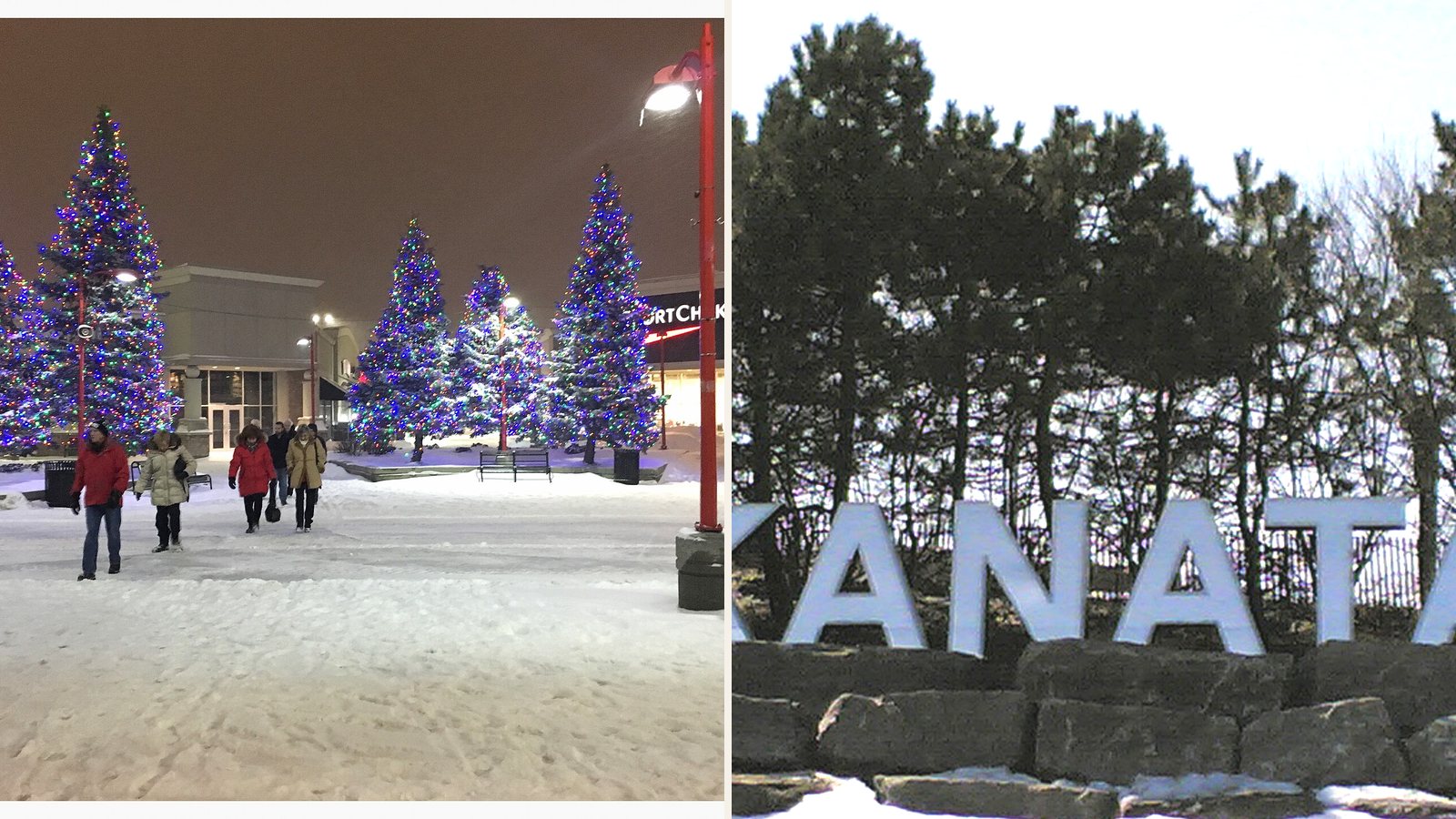
Ottawa's west-end tech suburb — planned communities around the Kanata North business park, family subdivisions, trails and ponds, and a location that shortens tech commutes while lengthening downtown ones.

What does an inspection cover? A few hundred dollars of clarity on a several-hundred-thousand-dollar decision. What Ottawa inspectors typically look at, what they don't, what the inspection cost buys, and how the deficiencies they find fit a conditional-on-inspection offer.

What do I pay on closing? The purchase price is only the headline number. Between the accepted offer and closing day, a cluster of hidden costs comes due — land transfer tax, lawyer fees and disbursements, title insurance, adjustments and the repair buffer nobody budgets for.