What a home inspection actually covers in Ottawa — and what it doesn't
What does an inspection cover? A few hundred dollars of clarity on a several-hundred-thousand-dollar decision. What Ottawa inspectors typically look at, what they don't, what the inspection cost buys, and how the deficiencies they find fit a conditional-on-inspection offer.
By Ottawa Property Guide EditorialPublished July 22, 2026 Last verified July 31, 2026
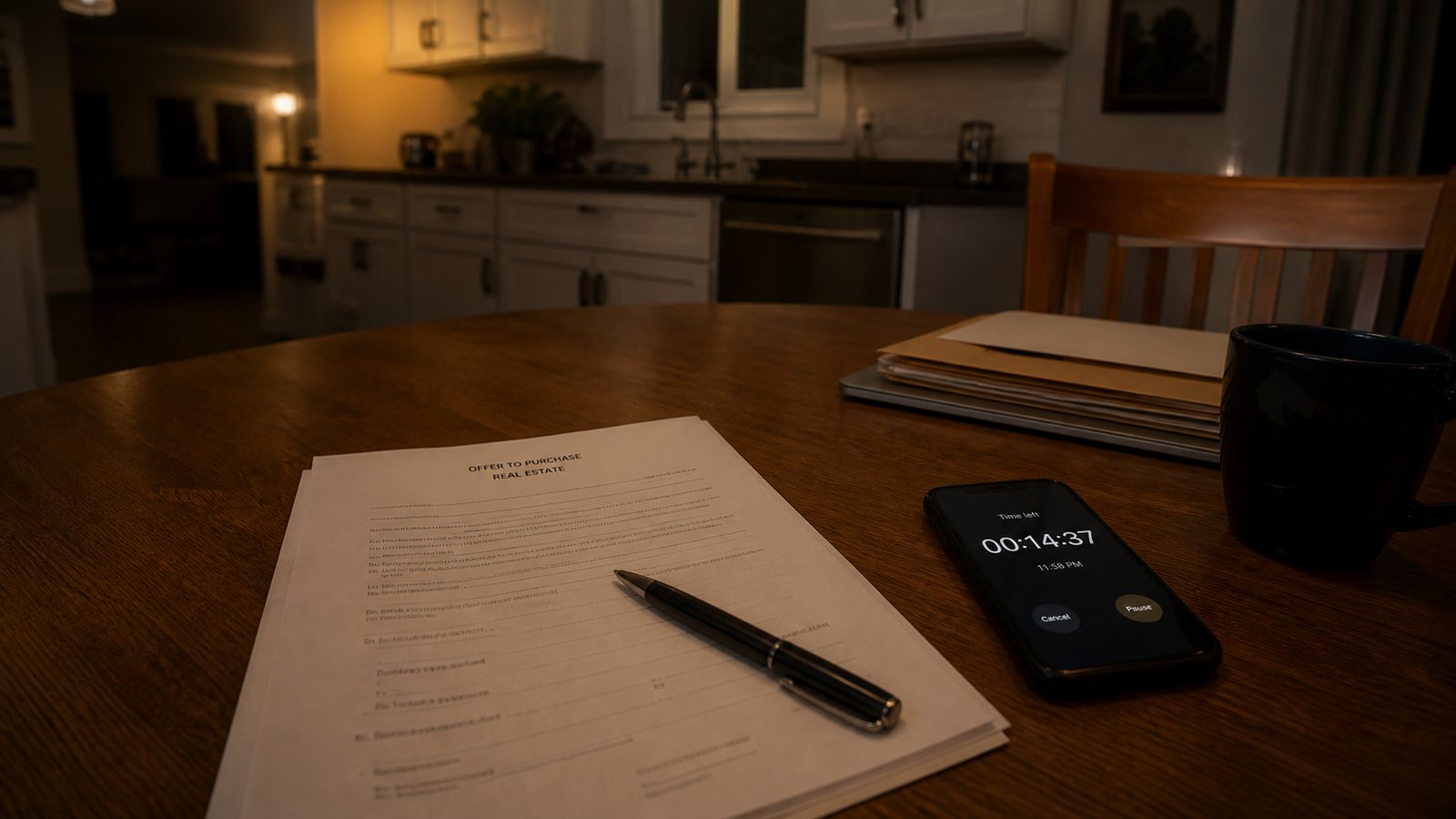
In a competitive Ottawa spring, buyers feel pressure to drop the inspection condition. Whether that risk is ever worth taking is a conversation for the professionals advising you — but before you can even weigh it, you need to know what an inspection actually buys you. It's less than some buyers hope and more than skeptics claim. An offer conditional on inspection is what turns those findings into leverage rather than regret.
What does an inspection cover as standard?
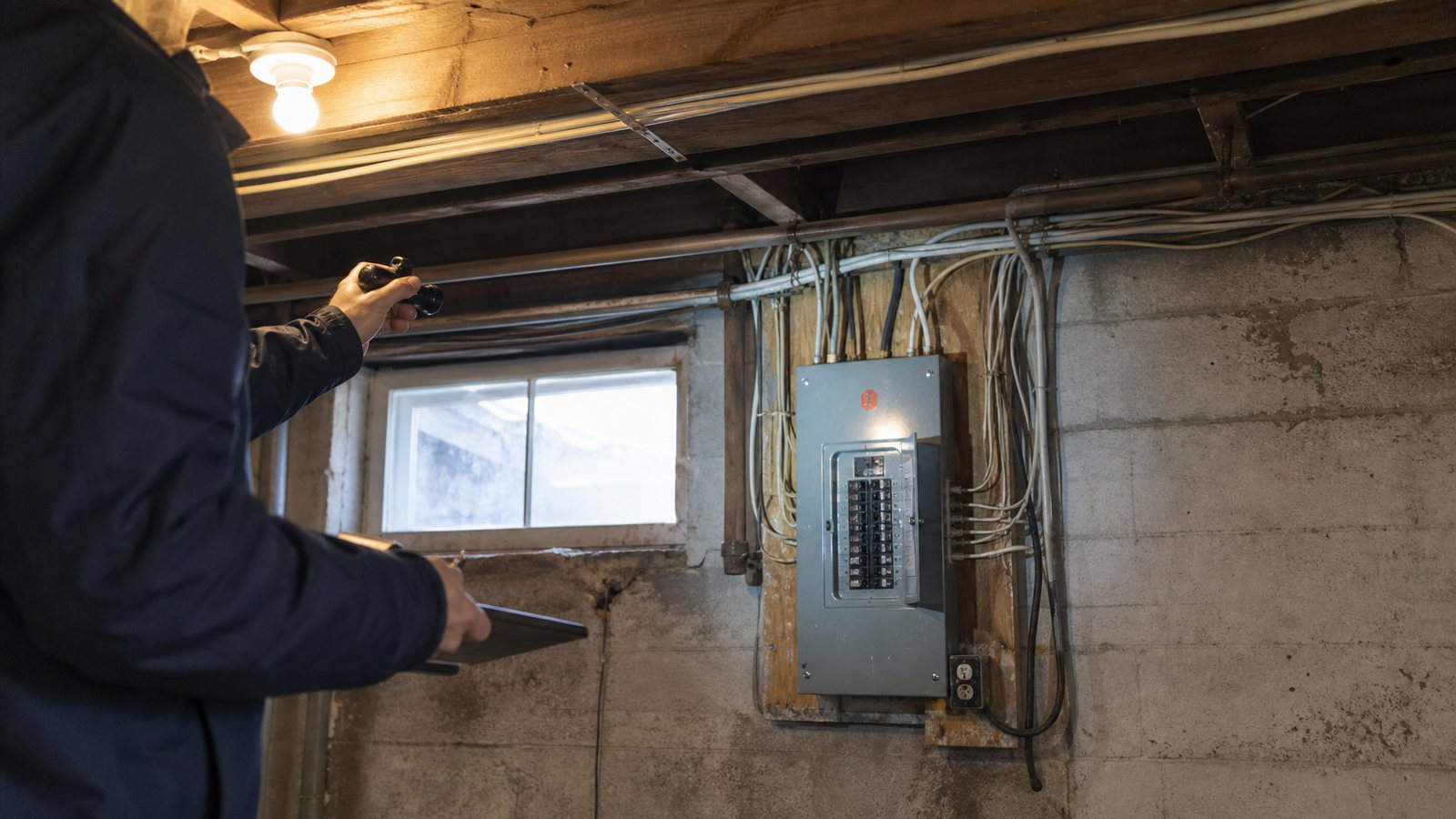
A typical pre-purchase inspection is a visual, non-invasive review of the home's major systems on the day of the visit. In practice that usually means:
Structure — visible foundation walls, framing, floors, evidence of movement or moisture
Roof — covering condition and age indicators, flashings, visible venting
Exterior — grading and drainage, cladding, windows, decks and porches
Plumbing — supply and drain materials, water heater, visible leaks, functional flow
Interior — walls, ceilings, doors and windows, stairs, moisture staining
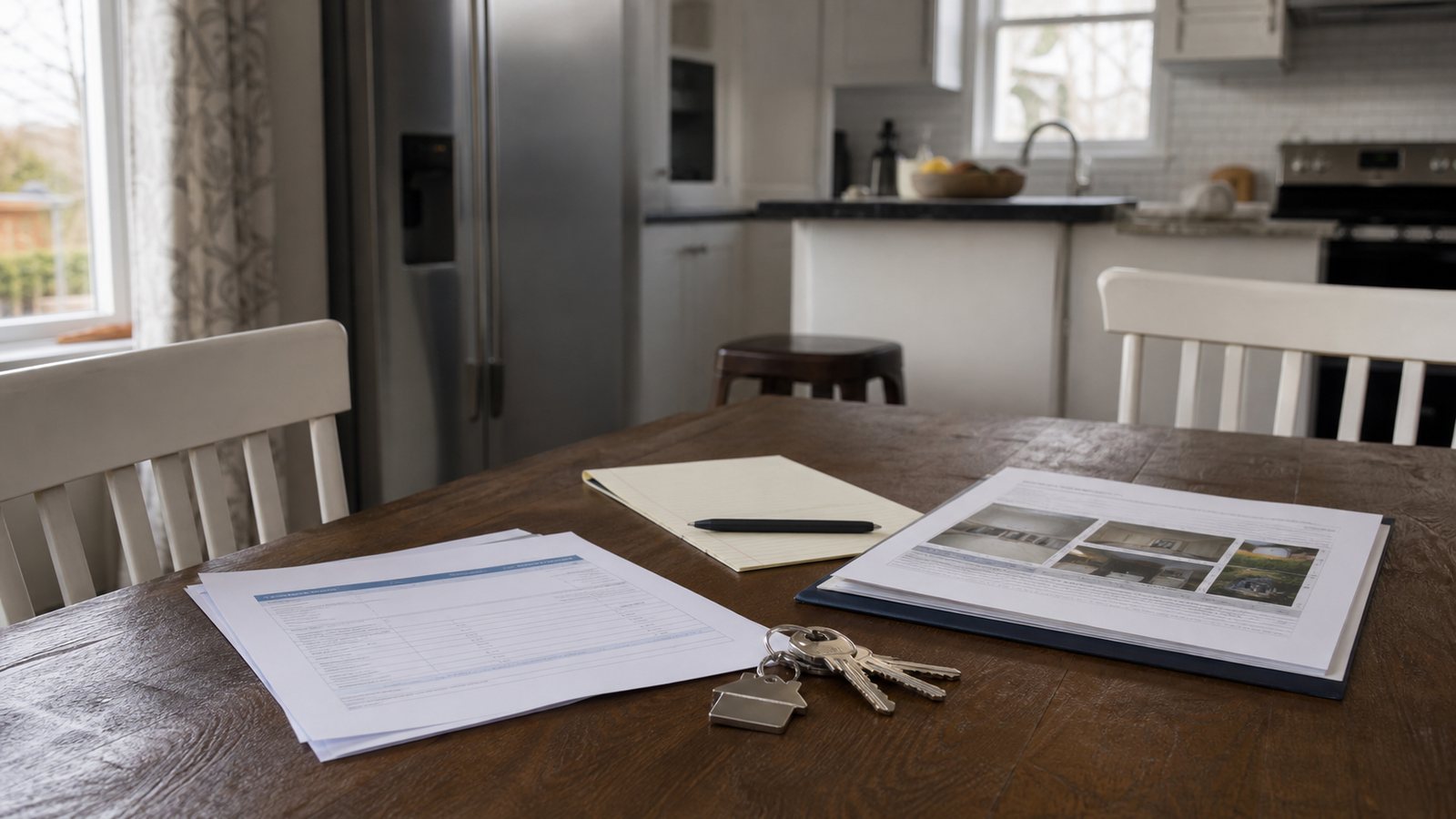
The output is a written report — usually with photos — flagging defects, safety issues, and items near the end of their service life. Good inspectors also walk you through the house afterward; that hour of narrated context is often worth more than the PDF.
What it doesn't cover
The limits matter as much as the coverage. A standard inspection is visual and same-day, which means it generally does not include:
Anything hidden — inside walls, under finished basements, beneath snow on a January roof
Sewer laterals (the pipe from house to street) — a separate camera scope, often worth discussing for pre-1970s homes
Wood-burning fireplaces and chimneys at WETT level — a separate certified inspection
Pests, asbestos, mould testing, radon measurement — separate specialists, separate visits
Wells and septic systems on rural properties — specialized inspections with their own timelines
Future performance — an inspection is a snapshot, not a warranty
Winter changes what's inspectable
A large share of Ottawa inspections happen with snow on the ground. Snow hides roofs, grading, and driveways; a heat pump or A/C can't be safely run below certain temperatures; and frozen ground says nothing about spring drainage. Ask the inspector what they couldn't see, and whether they offer a follow-up look in better conditions.
Inspection cost, deficiencies, and the questions worth asking before you book
What's your background, and are you a member of a recognized association with published standards?
Can I attend the whole inspection? (If attending is discouraged, keep shopping.)
What does your standard scope include and exclude — and what add-ons do you recommend for a house of this age?
Can I see a sample report for a similar home?
How long will the visit take? (A large or old house in an hour is a red flag.)
The bottom line
An inspection doesn't make a house safe to buy — it makes your understanding of the house honest. What you do with that understanding, including how to structure conditions in an offer, is a question for the licensed professionals representing and advising you. Our job here is simpler: make sure you walk in knowing what the snapshot does and doesn't show.
Older Ottawa homes carry a short list of specific, findable problems: radon, knob and tube or aluminum wiring, vermiculite insulation, galvanized or lead plumbing, and a buried oil tank. None of them is a reason to walk away on its own. All of them are reasons to write a condition rather than waive one.
An accepted offer is a binding contract, and most of what decides whether it goes well is settled before you sign it. Whether to make a conditional offer or a firm one, what an irrevocable date commits you to, where your deposit goes and the honest answer to can I get my deposit back, and exactly what you are entitled to be told when there are competing offers.
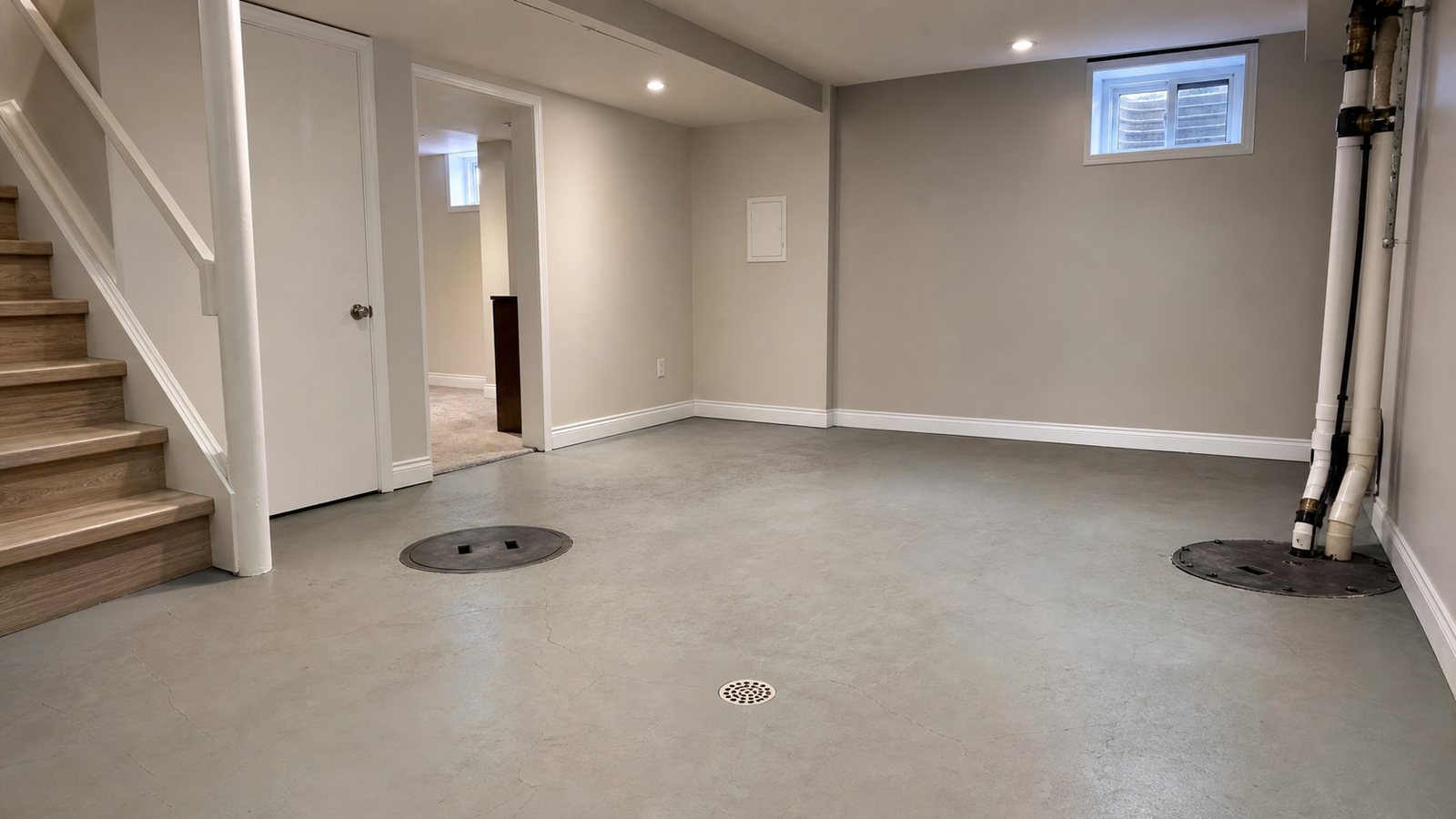
Three different problems get called a wet basement, they have different causes, different fixes and different insurance, and telling them apart is most of the work. What to look for at a viewing, and the City of Ottawa rebates that pay a large share of the fix — up to $3,000 for a sump pump and $2,500 for an outdoor storm backwater valve.
No lender funds a purchase without insurance in place, so an insurer's opinion of the house is a closing condition whether you treated it as one or not. Insurance for an older home turns on knob and tube, an oil tank, a flooded basement and a previous owner's claims — and if you cannot get home insurance on that address, the deal does not close. What a home insurance refusal really means, and when to find out.
Does the realtor work for me? Every person in a purchase is paid by someone, and it is rarely the person they are standing next to. How real estate commission flows, what buyer representation and multiple representation actually mean, who the open house agent works for, how a mortgage broker is paid, and why the appraisal is for the lender.
What do I pay on closing? The purchase price is only the headline number. Between the accepted offer and closing day, a cluster of hidden costs comes due — land transfer tax, lawyer fees and disbursements, title insurance, adjustments and the repair buffer nobody budgets for.
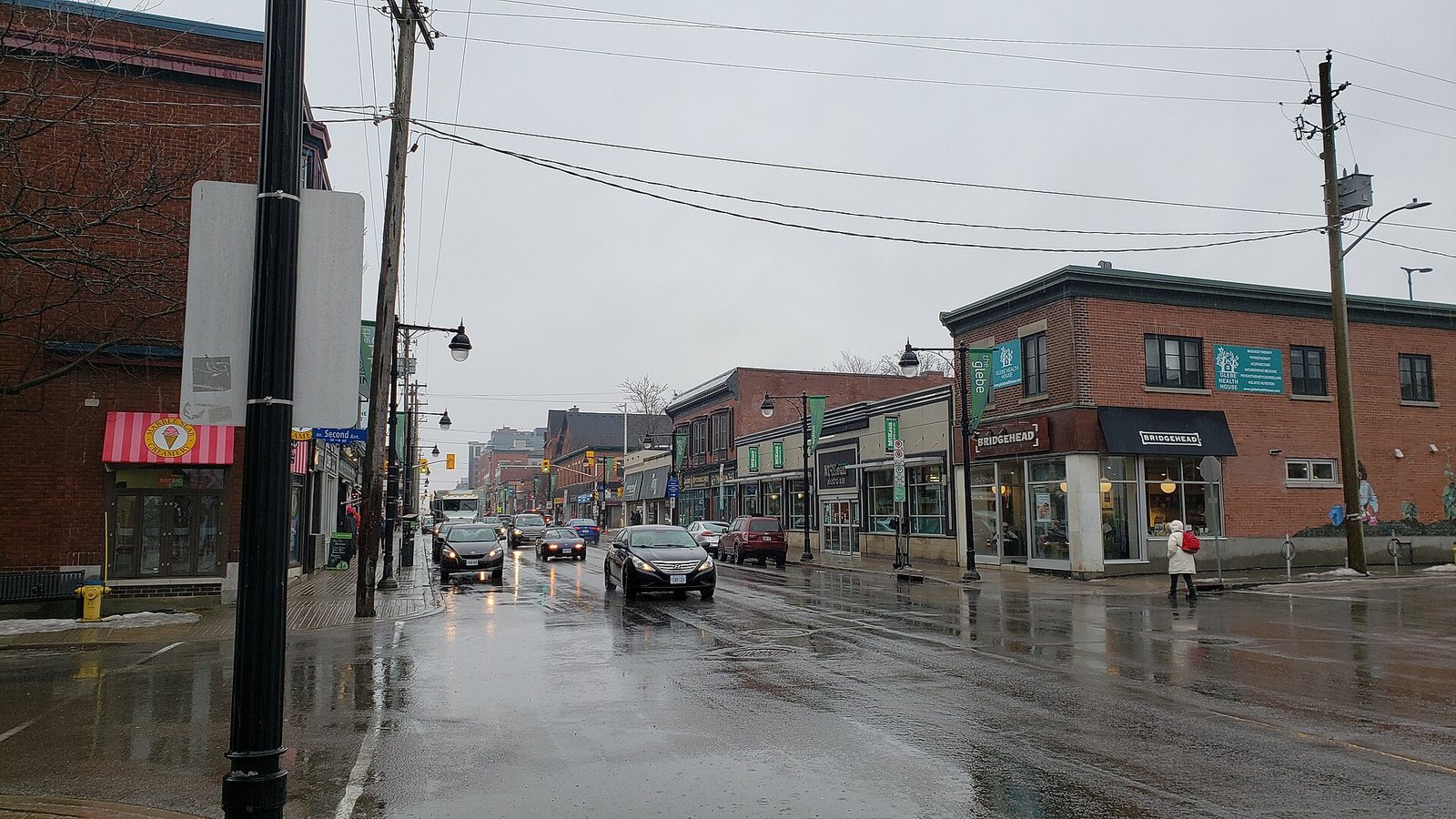
A walkable, established inner-urban neighbourhood between the Rideau Canal and Bank Street's shops — century homes, canal life, and one of Ottawa's strongest main-street cultures.
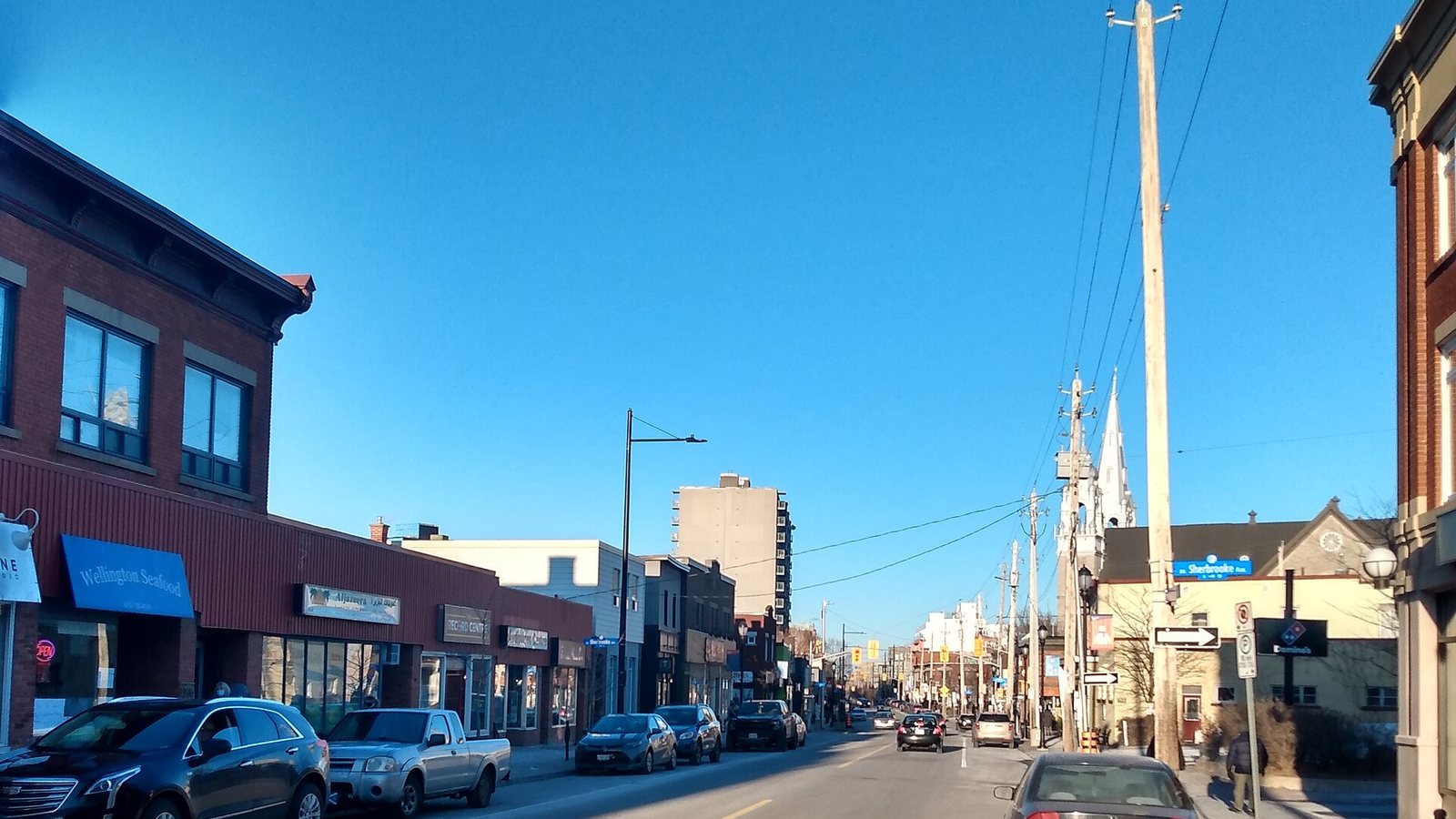
A once-working-class west-side neighbourhood centred on Wellington West — arts spaces, independent food, small lots, and a fast-evolving streetscape close to downtown and the LRT.
UrbanVery walkableLRT
Get Ottawa property guidance in your inbox
You'll get: First-time buying explainers · Selling guidance · New-build and builder updates · Neighbourhood guides · Renting and ownership costs · Local market context.
Occasional emails. No spam, and you can unsubscribe with one click. By subscribing you consent to receive emails from Ottawa Property Guide. We record the date and source of your consent, as Canadian anti-spam law (CASL) requires. Read our privacy policy.