
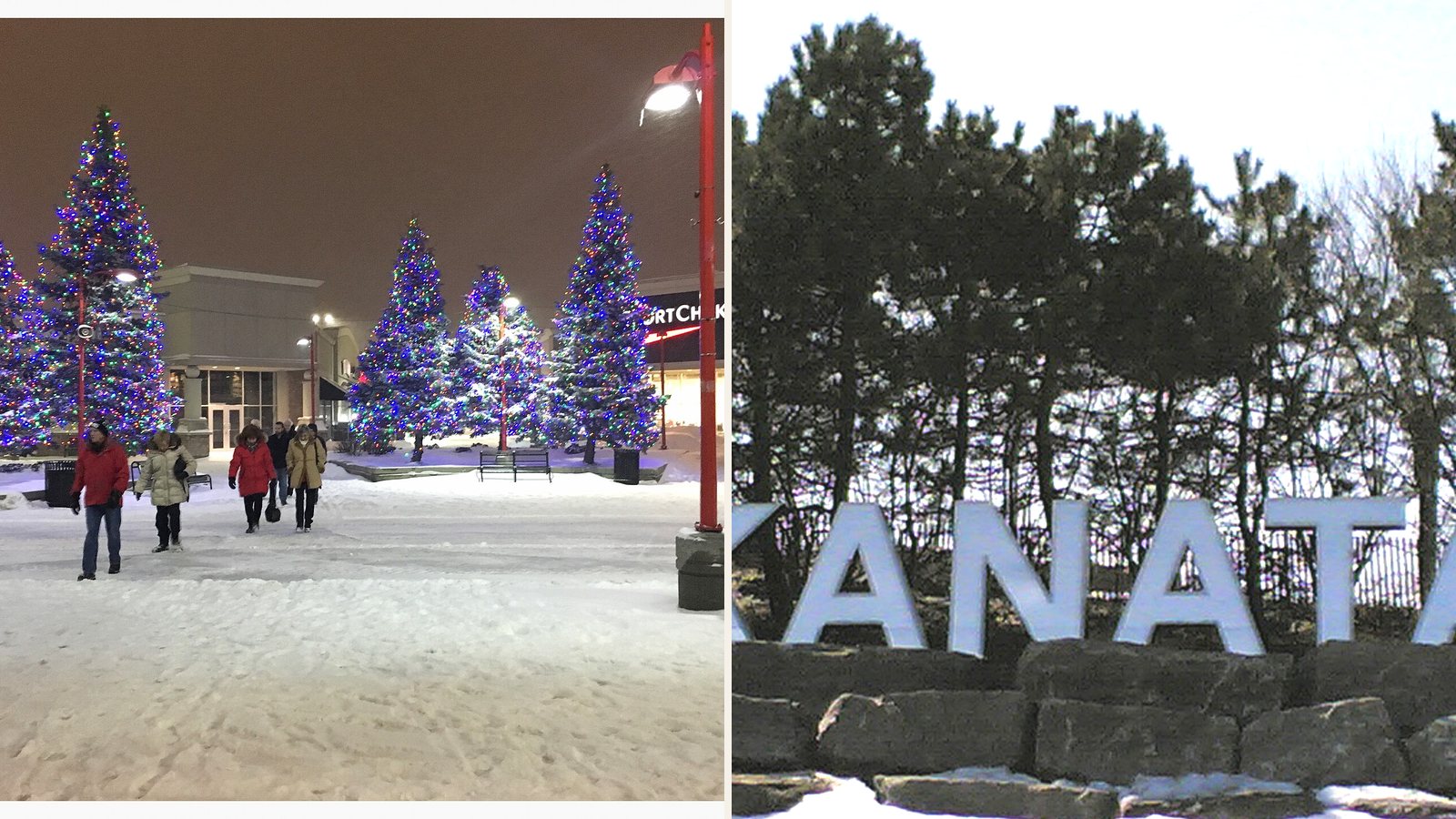
Kanata
Ottawa's west-end tech suburb — planned communities around the Kanata North business park, family subdivisions, trails and ponds, and a location that shortens tech commutes while lengthening downtown ones.
Neighbourhood guide · Suburban Ottawa
Ottawa's fast-grown southwest suburb — newer family housing at scale, big-box convenience, strong community infrastructure, and a car-first commute that residents plan their lives around.
Last reviewed July 22, 2026 · Assessments of neighbourhood character are editorial opinions based on local knowledge, not measured data.

Housing you'll find here: Detached · Semi-detached · Townhouse · Stacked town — each links to what that type is and its trade-offs.
Barrhaven is what Ottawa's suburban growth looks like when it works at scale. From a modest community in the early 1990s it grew rapidly through the 2000s and beyond into one of the city's largest suburbs — wave after wave of family subdivisions, schools, recreation complexes, and retail power centres filling in the southwest. For a large share of Ottawa families, this is simply where the housing math and the space requirements land.
The honest counterweight is the car. Barrhaven is built around driving — to work, to errands, often to the school run — and its main arteries, Strandherd chief among them, carry more traffic than they were originally imagined for. If your life runs downtown daily, price that commute into the decision, in time as much as money.
Barrhaven sits in Ottawa's southwest, south of the greenbelt, roughly organized around Strandherd Drive and Greenbank Road, with the Jock River threading the southern edges and newer phases pushing outward. It's a large area containing many named communities, and where Barrhaven ends and its neighbours begin is informal — treat these boundaries as editorial description.
In practical terms: the greenbelt separates it from the inner city to the north, Kanata and Stittsville are across the west end, and Riverside South sits across the Rideau River to the east, linked by the Vimy Memorial Bridge.
The stock is overwhelmingly post-1990: two-storey single-detached homes with garages, semis, and rows of townhouses, with stacked towns appearing in newer phases as builders densify. Compared to the inner city you get more interior space, a driveway, and newer systems for the money — the classic suburban trade.
Age tracks geography: earlier phases have maturing trees and settled streets, while the newest edges are still construction zones with unassumed roads and builder traffic. Resale homes from the 2000s boom deserve normal mid-life checks — roofs, furnaces, windows are reaching replacement age in the earlier phases.
Life here is organized around family logistics: schools, arenas, sports fields, and the recreation complexes carry the weekly schedule, and the retail power centres along Strandherd and Marketplace cover essentially every errand without leaving the suburb. It's convenient in a drive-and-park way rather than a stroll-and-browse way.
The community skews young-family and is genuinely active — minor sports, community associations, and packed weekend schedules. What it lacks is a traditional main street; the gathering places are plazas, parks, and rinks rather than a café strip.
Transit means buses: frequent service connects Barrhaven's transitway stations and park-and-ride lots toward the inner city, and many commuters drive to a park-and-ride rather than all the way in. There is no LRT in Barrhaven itself, so rail plans for the southwest are worth checking rather than assuming.
By car, everything inside Barrhaven is close and everything outside it takes planning. Strandherd congestion at peak times is a running local complaint, and the drive downtown crosses the greenbelt whichever route you take.
Barrhaven is dense with schools across the English public, Catholic, and French-language boards — a direct product of its family-heavy growth — though rapid expansion has at times meant portables and boundary adjustments in the newest areas.
Parks are plentiful in the subdivision pattern — play structures, sports fields, splash pads — and the Jock River corridor adds a more natural edge on the south side, with the greenbelt's trails not far north. What's newer is smaller: young trees and open sightlines in recent phases, maturing shade in the older ones.
Big-box convenience is a genuine Barrhaven strength: supermarkets, warehouse stores, home improvement, and every chain restaurant category cluster along the Strandherd corridor and Barrhaven's retail centres. You will rarely need to leave the suburb for an errand — and you will almost always drive to it.
For new builds, the ownership homework is builder-specific: contract terms, closing timing, unfinished neighbourhood infrastructure, and Tarion warranty coverage. For resales from the earlier phases, budget for the mid-life replacements — roof, furnace, windows — that hit suburbs in waves because whole streets were built the same year.
Newer phases can also carry ongoing construction noise, unassumed roads, and changing traffic patterns as later stages build out. Ask what's planned for the empty land nearby, because in Barrhaven it usually isn't staying empty.
Each entry reflects the builder's own website on the date shown — availability changes quickly, so confirm with the builder. See the full builder directory →
Ottawa's west-end tech suburb — planned communities around the Kanata North business park, family subdivisions, trails and ponds, and a location that shortens tech commutes while lengthening downtown ones.
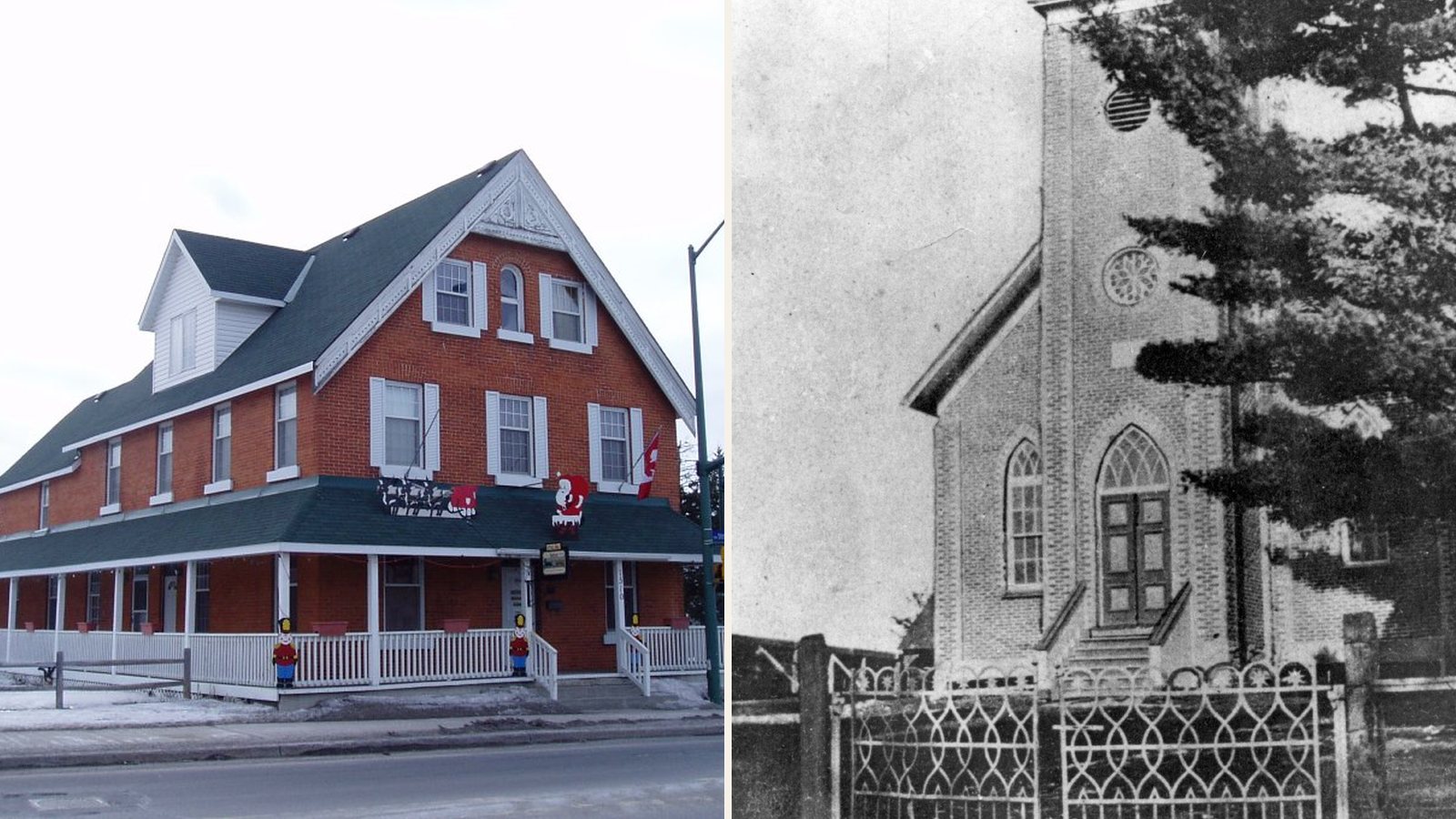
A former village at Ottawa's far western edge, beyond Kanata — new-build family streets around an old Main Street core, trail access, small-town texture, and real distance from everything downtown.
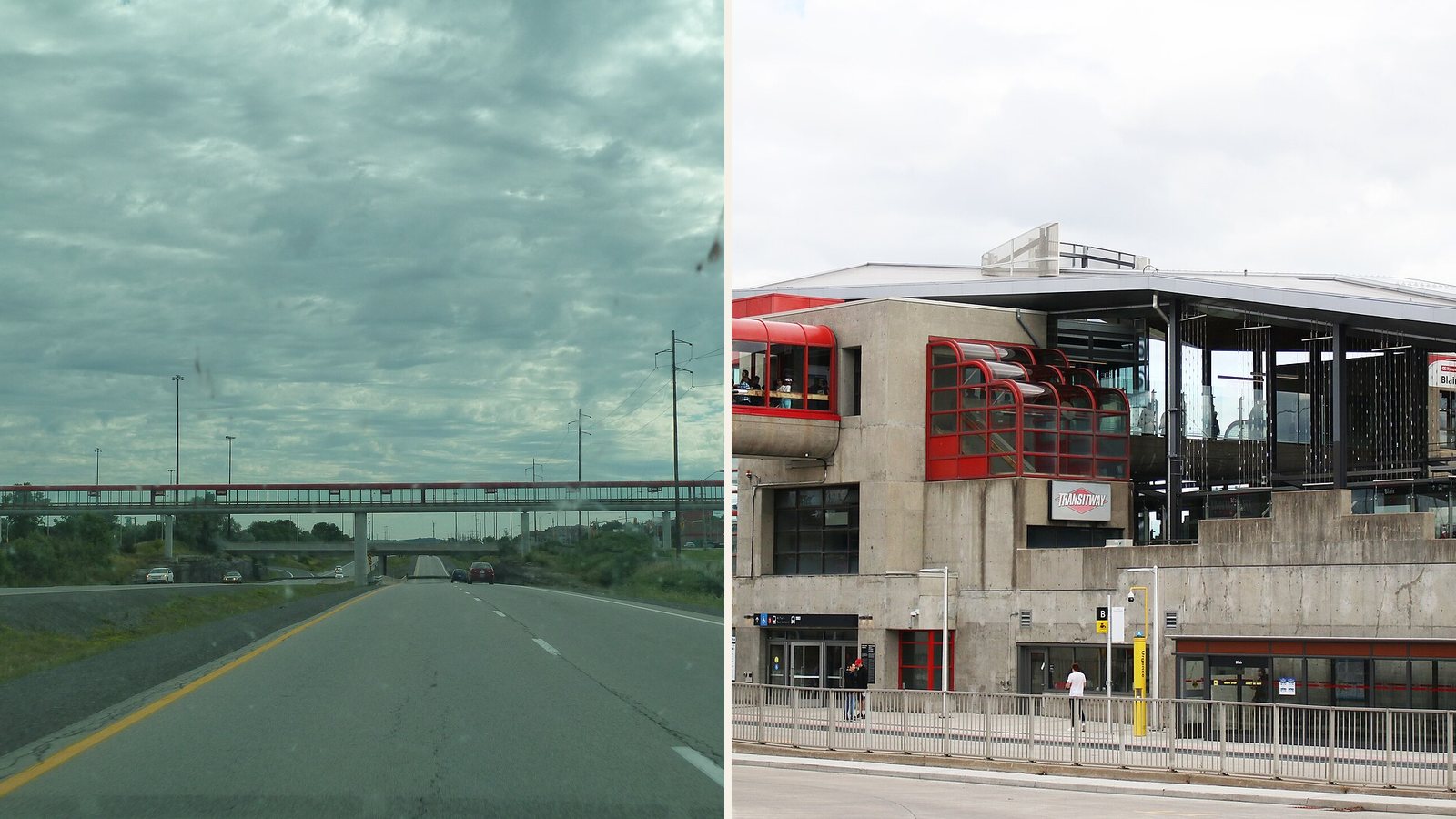
Ottawa's big east-end suburb — bilingual community life with deep francophone roots, family subdivisions from the 1980s onward, river and greenbelt edges, and an LRT arrival that is rewriting its commute story.

What does an inspection cover? A few hundred dollars of clarity on a several-hundred-thousand-dollar decision. What Ottawa inspectors typically look at, what they don't, what the inspection cost buys, and how the deficiencies they find fit a conditional-on-inspection offer.

What do I pay on closing? The purchase price is only the headline number. Between the accepted offer and closing day, a cluster of hidden costs comes due — land transfer tax, lawyer fees and disbursements, title insurance, adjustments and the repair buffer nobody budgets for.