
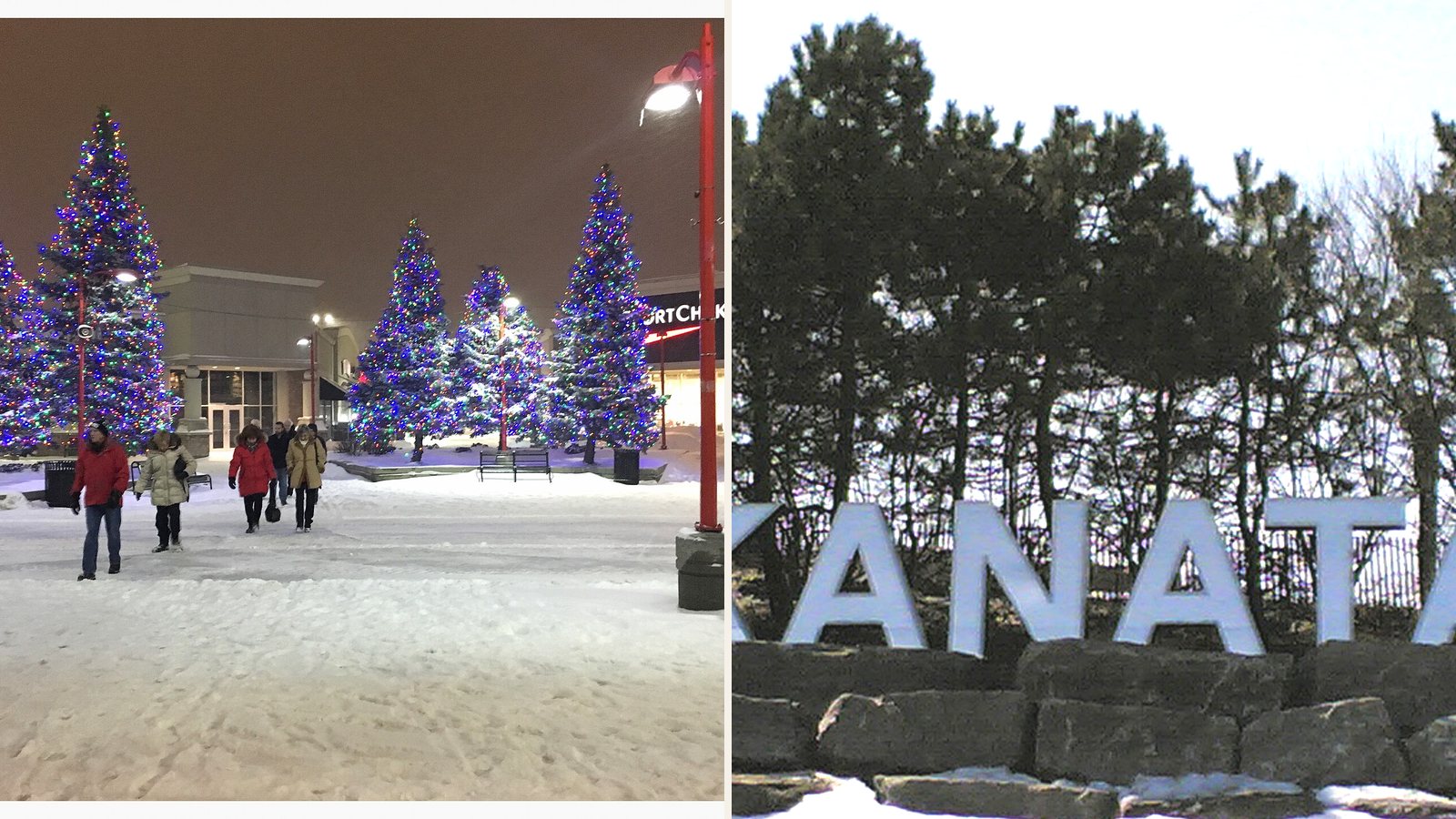
Kanata
Ottawa's west-end tech suburb — planned communities around the Kanata North business park, family subdivisions, trails and ponds, and a location that shortens tech commutes while lengthening downtown ones.
Neighbourhood guide · Suburban Ottawa
A former village at Ottawa's far western edge, beyond Kanata — new-build family streets around an old Main Street core, trail access, small-town texture, and real distance from everything downtown.
Last reviewed July 22, 2026 · Assessments of neighbourhood character are editorial opinions based on local knowledge, not measured data.
Housing you'll find here: Detached · Semi-detached · Townhouse — each links to what that type is and its trade-offs.
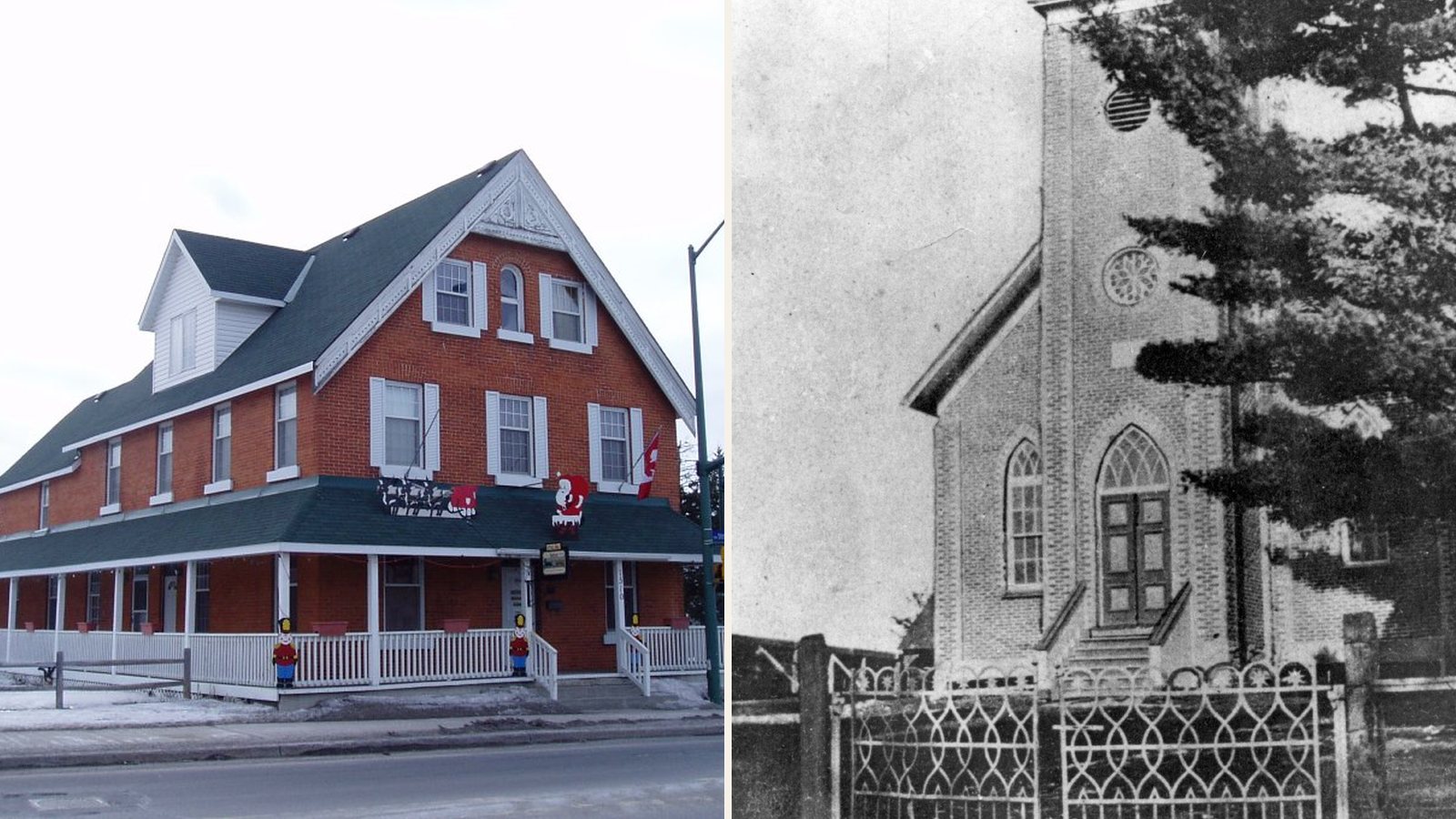
Stittsville is what happens when a genuine village gets absorbed by a growing city and keeps some of its shape anyway. It sits at Ottawa's far western edge, past Kanata, with an old Main Street core surrounded by rings of newer subdivisions that have multiplied since the 2000s. The result is a family suburb with a small-town memory — fairgrounds, a village main street, and farmland still visible at the edges.
The trade is distance. Stittsville is about as far from downtown Ottawa as the city's continuous suburbs get, and daily life leans on the car and on Kanata's larger retail next door. Buyers usually come here for newer housing at the city's edge, a quieter pace, and the rural boundary — and accept the geography that comes with all three.
Stittsville lies southwest of Kanata at the western limit of Ottawa's built-up area, organized around Stittsville Main Street and Hazeldean Road, with the Trans Canada Trail corridor running through it and countryside beginning at its western and southern edges. Where Stittsville ends and Kanata begins has blurred as both have grown — treat these boundaries as informal editorial description.
In practical terms: Kanata's retail and the 417 are the next ring east, the Carp Road corridor and rural west Ottawa start immediately beyond, and everything downtown is a genuine expedition by Ottawa standards.
Housing is dominated by post-2000 detached homes, semis, and townhouse rows in phased subdivisions, wrapped around an older core of village-era homes near Main Street with bigger, irregular lots. New construction continues on the edges, so the newest streets sit beside active builder sites.
The visual giveaway of a young suburb applies: recent phases have open sightlines and saplings where mature neighbourhoods have shade. The older village core is the exception, with established trees and one-off houses — a different product from the subdivision stock, with different inspection questions.
The pace is the point. Stittsville Main Street keeps a village scale — local shops, restaurants, and community events rather than a big-city strip — and the Trans Canada Trail gives walkers and cyclists a car-free spine through town. Community life runs on arenas, fields, the fairgrounds, and family schedules.
For anything beyond the local, residents lean on the Hazeldean Road corridor's retail and on Kanata's big boxes and Centrum a short drive east. It's quieter and more contained than Kanata or Barrhaven — appealing if that's the goal, limiting if it isn't.
Transit is bus-based: local routes connect through to the Kanata corridor and park-and-ride options carry commuters toward the city, but Stittsville is at the far end of every line and there is no rail here. Downtown commuters should test the full door-to-door trip at their real hour before buying — this is the city's long haul.
By car, the 417 via Kanata is the main route east; inside Stittsville, driving covers nearly everything except what the trail network handles for recreation.
English public, Catholic, and French-language schools serve Stittsville, with newer schools added as the subdivisions have grown — and the growing pains that come with that, including portables and boundary adjustments in the newest areas.
The Trans Canada Trail is the signature green asset, running through town and out into the countryside in both directions. Around it sit the usual subdivision parks and sports fields, plus the rural edge itself — open land, farms, and the west Ottawa countryside minutes away. Mature green space is concentrated in the old village core; the new phases are still growing theirs.
Daily needs are covered by the Hazeldean Road corridor's supermarkets and plazas and by Main Street's local businesses, with Kanata's Centrum and big-box cluster handling the rest a short drive away. It's a two-tier pattern — village shops for character, Hazeldean and Kanata for volume — and almost all of it is drive-to.
For the dominant post-2000 stock, ownership questions are the newer-suburb set: builder warranty history, grading and drainage on newer lots, and phase build-out — what the empty field behind the house is zoned to become. Early-2000s homes are reaching their first big replacement round of roofs and furnaces.
In the village core, older one-off homes need individual assessment — septic-to-sewer history, additions, and renovations vary property by property in a way subdivision stock doesn't. Wells and septic systems can still apply at the rural fringes; confirm servicing for any edge property.
Each entry reflects the builder's own website on the date shown — availability changes quickly, so confirm with the builder. See the full builder directory →
Ottawa's west-end tech suburb — planned communities around the Kanata North business park, family subdivisions, trails and ponds, and a location that shortens tech commutes while lengthening downtown ones.

Ottawa's fast-grown southwest suburb — newer family housing at scale, big-box convenience, strong community infrastructure, and a car-first commute that residents plan their lives around.

What does an inspection cover? A few hundred dollars of clarity on a several-hundred-thousand-dollar decision. What Ottawa inspectors typically look at, what they don't, what the inspection cost buys, and how the deficiencies they find fit a conditional-on-inspection offer.

What do I pay on closing? The purchase price is only the headline number. Between the accepted offer and closing day, a cluster of hidden costs comes due — land transfer tax, lawyer fees and disbursements, title insurance, adjustments and the repair buffer nobody budgets for.