Main streets — what they tell you about an Ottawa neighbourhood before you see a single listing
Skip the sold data for an afternoon and go read the main street instead. Bank Street in the Glebe, Wellington West, Beechwood Avenue, Stittsville's Main Street — each one is a plain-language report on walkability, daily life, and where a neighbourhood is heading. A fast, honest read on neighbourhood character when you are choosing a neighbourhood and have an afternoon rather than a month.
By Ottawa Property Guide EditorialPublished July 22, 2026 Last verified July 31, 2026
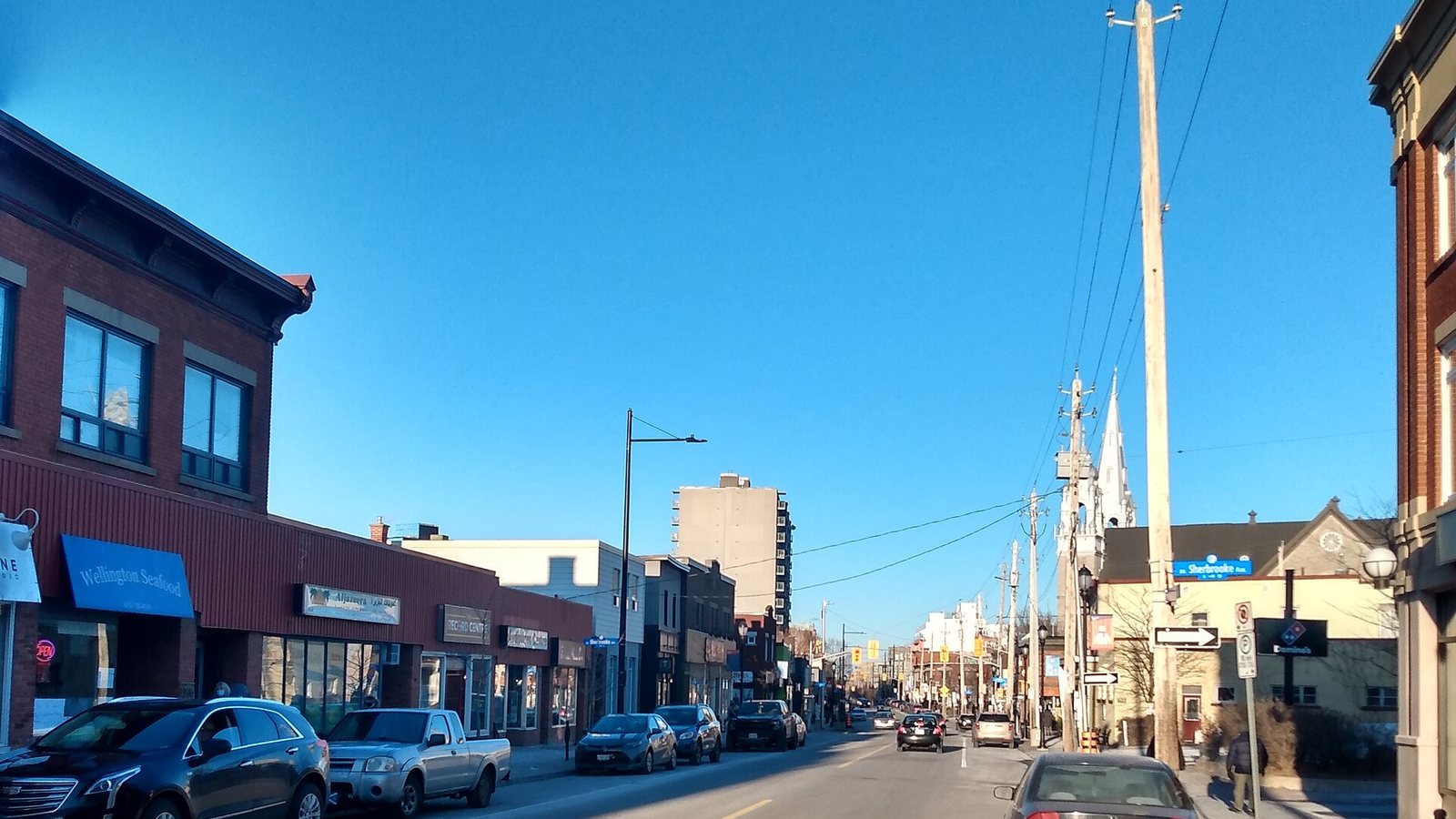
Photo: Earl Andrew / Wikimedia Commons (CC BY-SA 4.0)
Listings describe houses. Main streets describe lives. Before you get attached to a property, spend an hour walking the commercial street its neighbourhood organizes itself around — what you learn there won't appear on any feature sheet, and it will matter every single day you live nearby. This is an editorial argument, but it's one we'd defend on any corner in the city.
What a main street actually encodes
A functioning main street is compressed information. It tells you, at a glance:
Walkability, tested honestly — if residents can do groceries, coffee, a pharmacy run, and dinner on foot, the street shows it in stroller traffic and full patios
Who lives here now — the shops follow the residents: daycares and bike shops mean young families, specialty grocers trace the area's communities, medical offices and banks signal an older base
Where the neighbourhood is heading — count the construction hoardings, the for-lease signs, and the gap between the newest storefront and the oldest
What daily life costs in time — a street that meets most needs shrinks your car dependence; a street of destination-only shops means you'll drive for milk
Whether people linger — benches occupied, patios full past dinner, kids unsupervised at the ice cream window: lingering is the single best proxy for a street that feels safe and owned by its residents
Bank Street in the Glebe: the settled street
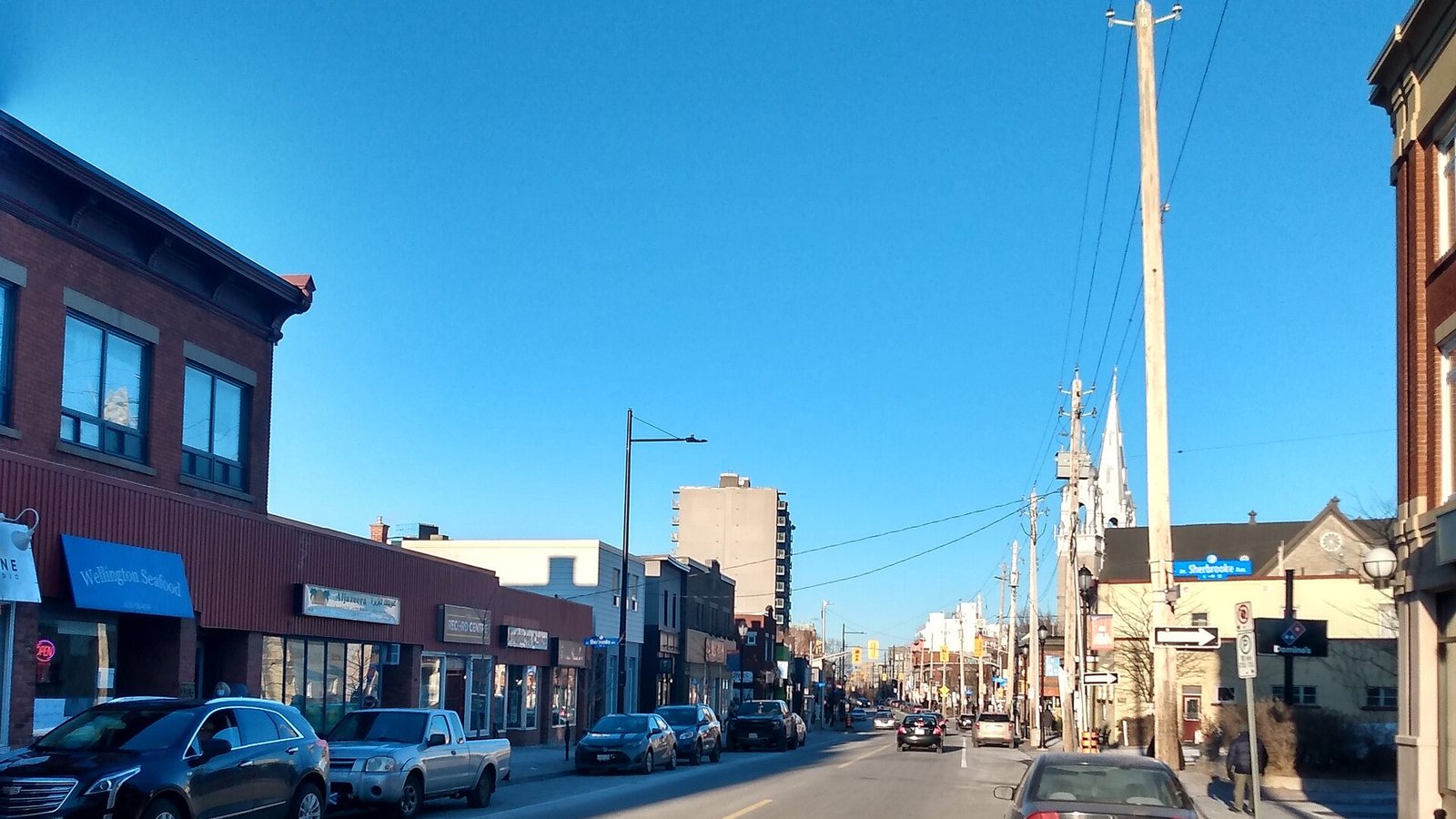
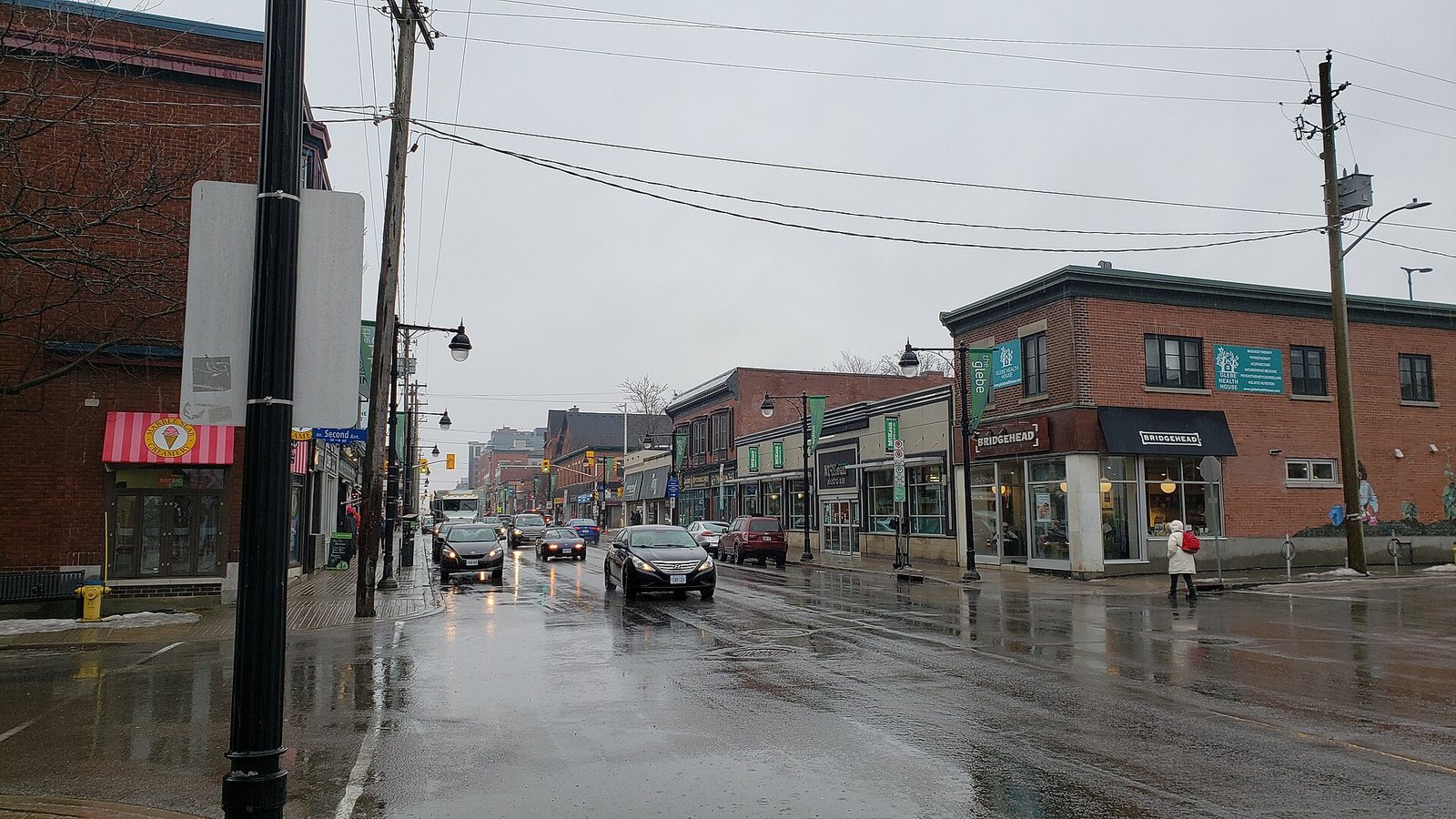
The Glebe's stretch of Bank Street reads as a finished sentence. Independent retail with decades of tenure, a full complement of daily needs, and pedestrian volume all day, every day — swelling to a crowd whenever there's a game at the stadium at Lansdowne. What it tells you: this neighbourhood's walkable life is mature and priced accordingly. Streets like this rarely surprise you, in either direction.
Wellington West: the street mid-conversation
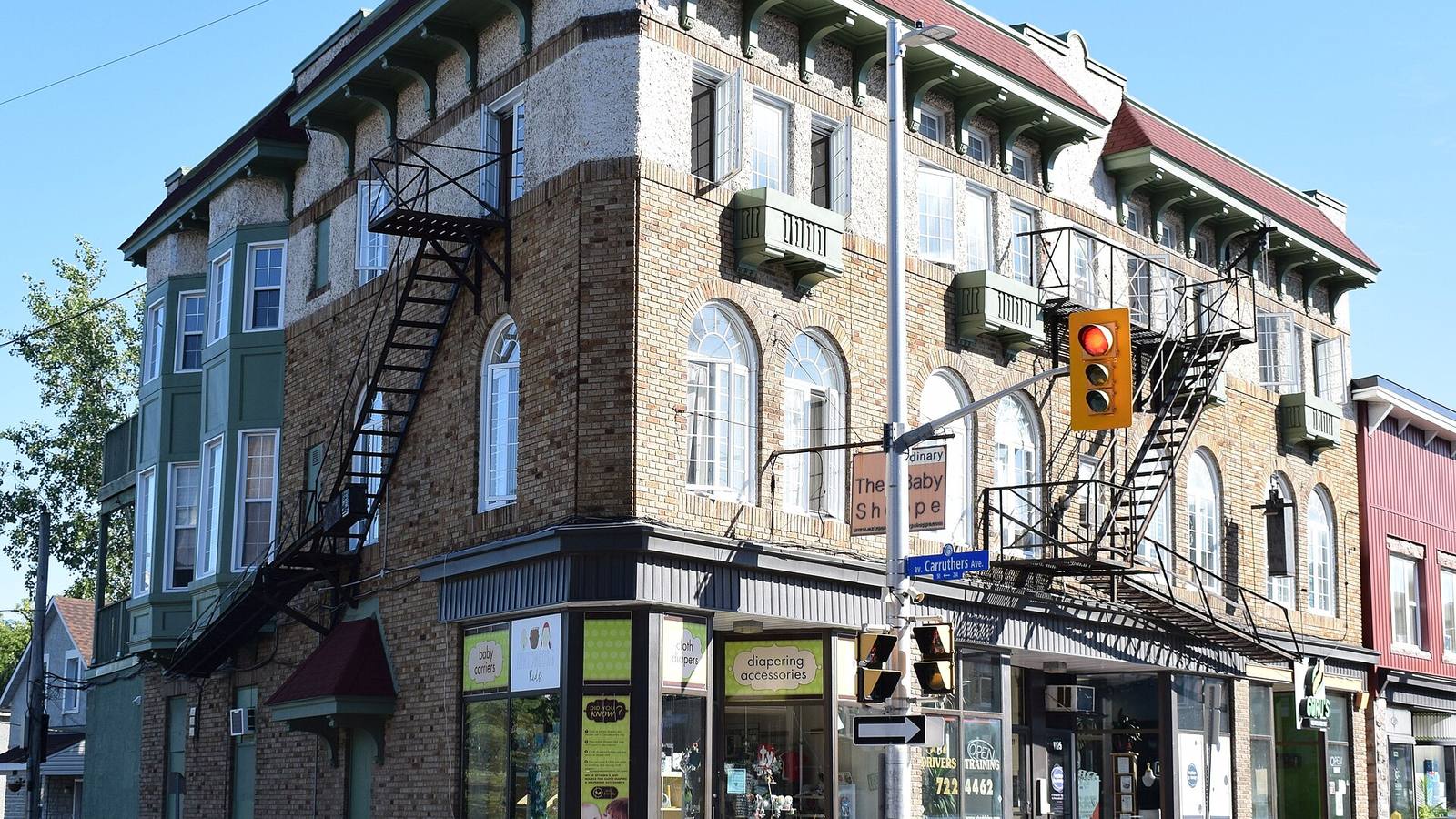
Through Hintonburg and Wellington Village, Wellington West is livelier and less settled — restaurants and cafés dense enough to argue about, arts spaces still embedded among the shops, and new mid-rise construction landing along the corridor. What it tells you: this is a neighbourhood still actively becoming something, with the energy and the construction cranes that implies. Buyers here are buying a trajectory, not just an address.
Beechwood Avenue: the village seam
Beechwood serves New Edinburgh, Lindenlea, and Vanier's western edge all at once, and reads like the village high street of several villages that happen to share it. It's shorter and quieter than Bank or Wellington, anchored by everyday needs rather than destination dining. What it tells you: the surrounding streets value calm over buzz — and the avenue's steady trickle of new buildings suggests the area's next chapter is being written politely.
Main Street, Stittsville: the suburban exception
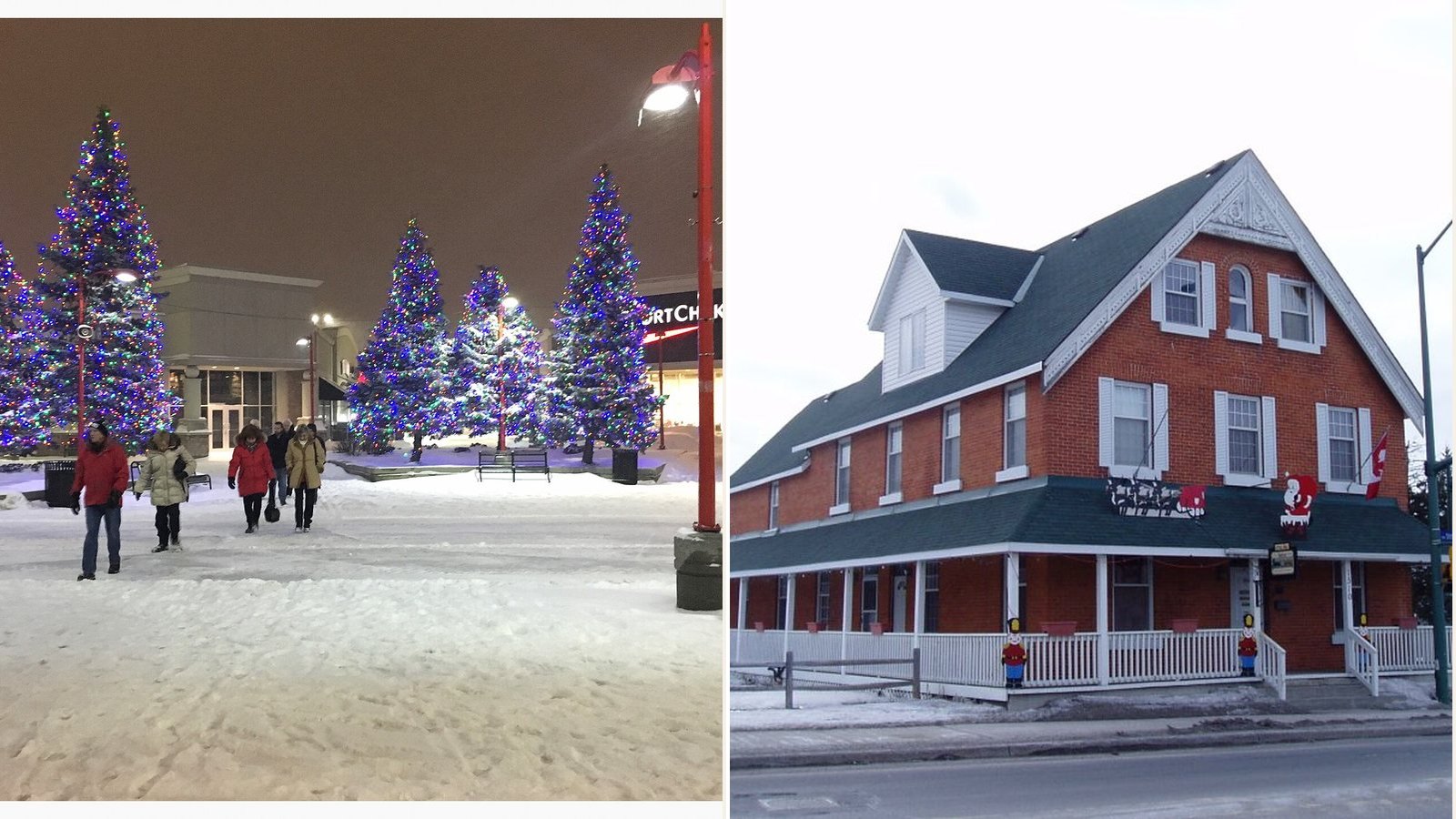
Most Ottawa suburbs organize around arterial roads and plazas; Stittsville kept an actual main street — low-slung, independent, walkable at village scale, with community events that close it to traffic. What it tells you: a suburb that grew around a real street retains a centre of gravity newer communities struggle to manufacture. It's the reason Stittsville feels like a town rather than a subdivision, and it's visible in one walk.
How to run the test yourself
Walk the street twice: a weekday morning and a weekend afternoon — the gap between the two is the neighbourhood's rhythm
Count what you could genuinely do here weekly without a car
Note the ratio of daily-needs shops to destination shops
Look for lingering: benches, patios, kids, dogs
Check the edges — where the street dies out tells you where the neighbourhood's walkable zone honestly ends, whatever the listing map implies
None of this replaces the practical homework of buying. But the main street is where a neighbourhood tells you the truth about itself, unpolished and free of staging. Go listen to it before you fall for a kitchen.
Sources
First-hand: editorial assessment from walks along Bank Street, Wellington West, Beechwood Avenue and Stittsville Main Street
Hintonburg rewards the slow visit. Spend a Saturday and Sunday along Wellington Street West — coffee, the Parkdale Market, side-street art, a walk down to the river — and you'll understand why this former working-class pocket became one of Ottawa's most-loved main-street neighbourhoods. Things to do across two unhurried days, on foot.
Ottawa's western suburbs get lumped together, but Kanata and Stittsville answer the where-should-we-live question differently — one built around a tech employment hub, the other around a small-town main street. Here's an honest side-by-side. A direct compare of Kanata and Stittsville on the things that actually differ.
What my budget buys changes completely depending on where you point it. Hold a single number constant and move it around the city and it stops being a budget and becomes a set of trade-offs: space versus location versus age. Here is what you can get for it, by area.
A walkable, established inner-urban neighbourhood between the Rideau Canal and Bank Street's shops — century homes, canal life, and one of Ottawa's strongest main-street cultures.
A once-working-class west-side neighbourhood centred on Wellington West — arts spaces, independent food, small lots, and a fast-evolving streetscape close to downtown and the LRT.
A west-end urban village on the Ottawa River — boutique main street on Richmond Road, a real beach, mature side streets, and steady infill that keeps changing the skyline.
A former village at Ottawa's far western edge, beyond Kanata — new-build family streets around an old Main Street core, trail access, small-town texture, and real distance from everything downtown.
SuburbanFamily-friendly
Get Ottawa property guidance in your inbox
You'll get: First-time buying explainers · Selling guidance · New-build and builder updates · Neighbourhood guides · Renting and ownership costs · Local market context.
Occasional emails. No spam, and you can unsubscribe with one click. By subscribing you consent to receive emails from Ottawa Property Guide. We record the date and source of your consent, as Canadian anti-spam law (CASL) requires. Read our privacy policy.