
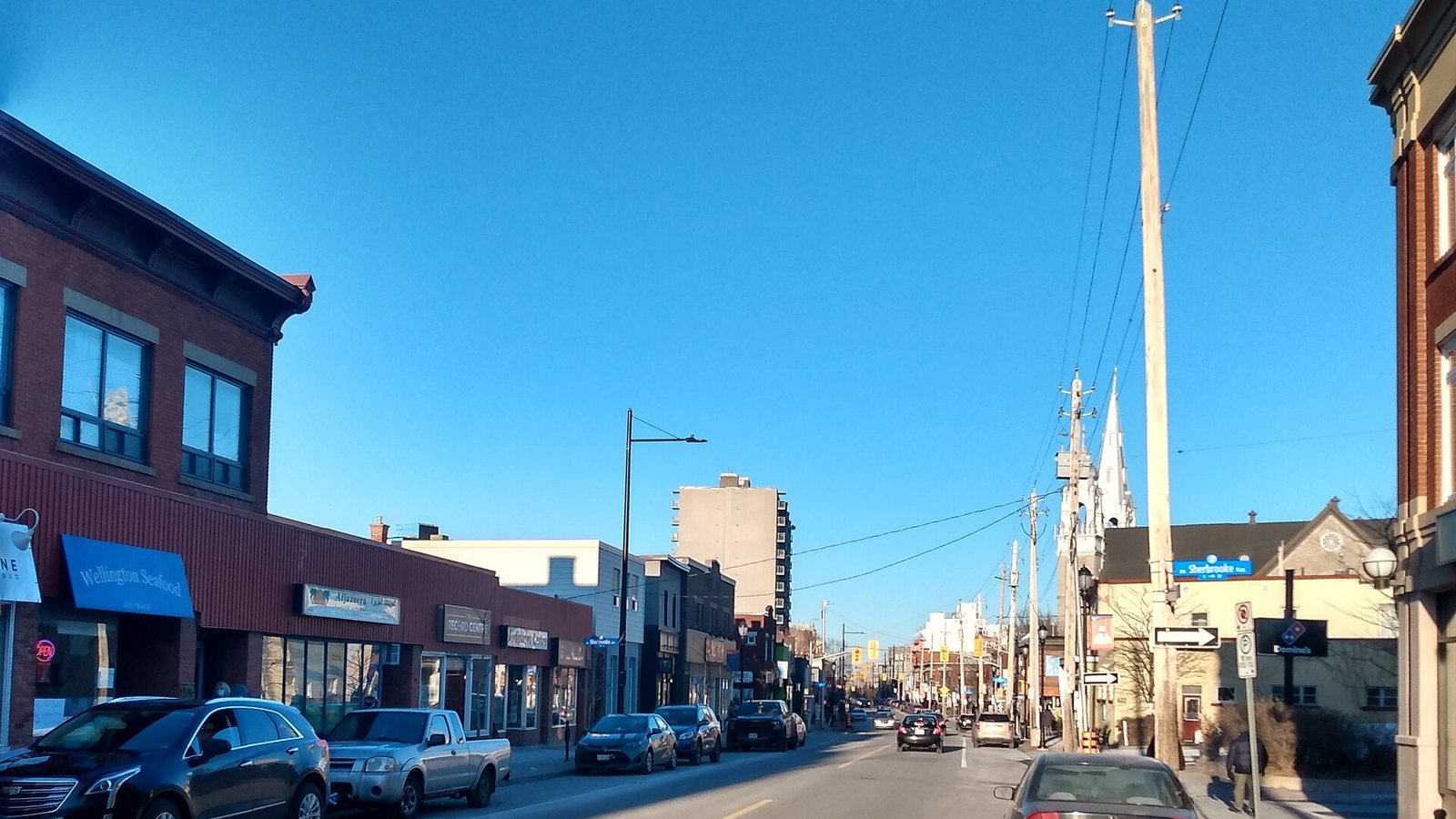
Hintonburg
A once-working-class west-side neighbourhood centred on Wellington West — arts spaces, independent food, small lots, and a fast-evolving streetscape close to downtown and the LRT.
Neighbourhood guide · Urban Ottawa
A west-end urban village on the Ottawa River — boutique main street on Richmond Road, a real beach, mature side streets, and steady infill that keeps changing the skyline.
Last reviewed July 22, 2026 · Assessments of neighbourhood character are editorial opinions based on local knowledge, not measured data.

Housing you'll find here: Detached · Semi-detached · Townhouse · Low-rise condo · High-rise condo — each links to what that type is and its trade-offs.
Westboro is the west end's answer to the question of whether you can have a main street, a beach, and a reasonable ride downtown all at once. Richmond Road carries the shops and restaurants, the Ottawa River and its pathway network sit a few blocks north, and the side streets in between hold a mix of older homes and newer infill. It has been one of Ottawa's most sought-after urban neighbourhoods for a couple of decades now, and the price pressure that comes with that is real.
The neighbourhood is also visibly mid-transformation. Teardowns, semis-on-a-single-lot, and mid-rise condo projects are a constant presence, which means construction noise on some blocks and a streetscape that looks different every few years. Whether that reads as vitality or churn depends on your temperament — it's worth walking the specific streets you're considering.
Westboro sits west of downtown along the Ottawa River, centred on Richmond Road roughly between Island Park Drive to the east and the Westboro Beach area to the west, with the Byron linear strip and the Queensway forming the practical southern edge for most people. Neighbouring pockets like Wellington Village and McKellar Park blur into it, and locals draw the lines differently — treat these boundaries as informal editorial description, not official ones.
In practical terms: Hintonburg and Wellington West continue the main-street corridor to the east, Tunney's Pasture sits between Westboro and downtown, and the river parkway paths run along the neighbourhood's north side.
The original stock is mostly early-to-mid-1900s detached and semi-detached homes on compact lots, but Westboro's defining housing story is infill: singles replaced by two semis, low-rise condos along the main corridors, and taller buildings clustered near the transit spine on Scott and Richmond. That gives buyers an unusually wide spread of ages and formats within a few blocks — a 1940s bungalow, a new build, and a condo can all be on the same street.
New infill tends to trade yard space for interior finish, while older homes carry the usual mid-century maintenance questions. If you're buying next to an empty or dated property, it's reasonable to assume redevelopment is possible there eventually.
Daily life orbits Richmond Road: independent shops, outdoor-gear retailers, cafés, restaurants, and a farmers' market in season. Westboro Beach is the genuine article — a sandy stretch on the Ottawa River where people actually swim in summer — and the riverside pathway handles running and cycling for a large share of residents.
The crowd skews established: professionals and families who wanted urban walkability without a downtown address. Evenings are lively along the main street and quiet a block off it.
Line 1 of the LRT now runs along the Scott–Richmond corridor through the west end, putting rail service within walking distance of much of the neighbourhood, with frequent buses supplementing the main streets. Driving downtown is short outside peak hours, and the Queensway is close at the southern edge — though Richmond Road itself crawls at busy times.
Cycling is strong here: the river pathway network and the Byron corridor give low-stress routes east toward downtown and west toward Britannia.
The area is served by long-established English public, Catholic, and French-language school options, and many households manage school runs on foot or by bike — one of the practical payoffs of the neighbourhood's density and grid.
The Ottawa River shoreline is the headline: Westboro Beach, the riverside pathway, and parkway green space run the length of the neighbourhood's north side. Inside the grid there are smaller parks and the Byron linear strip, and Hampton Park's woods sit near the eastern edge. For a dense urban neighbourhood, the green-space access is unusually good.
Richmond Road covers most daily needs — grocers, pharmacies, bakeries, hardware, and a deep bench of independent retail — with larger-format shopping a short drive west. For many households a car is a convenience rather than a necessity for errands, which is rare in the west end.
Westboro ownership questions split by era. Older homes bring mid-century systems — wiring, drainage, insulation — that an inspection should cover carefully. Newer infill brings different questions: tight lot lines, shared walls on semis, party-wall agreements, and how well a fast-built home has weathered its first few years.
Ongoing construction is part of the deal here. Before buying, it's worth checking what development applications are active on the surrounding blocks so a crane next door doesn't come as a surprise.
A once-working-class west-side neighbourhood centred on Wellington West — arts spaces, independent food, small lots, and a fast-evolving streetscape close to downtown and the LRT.
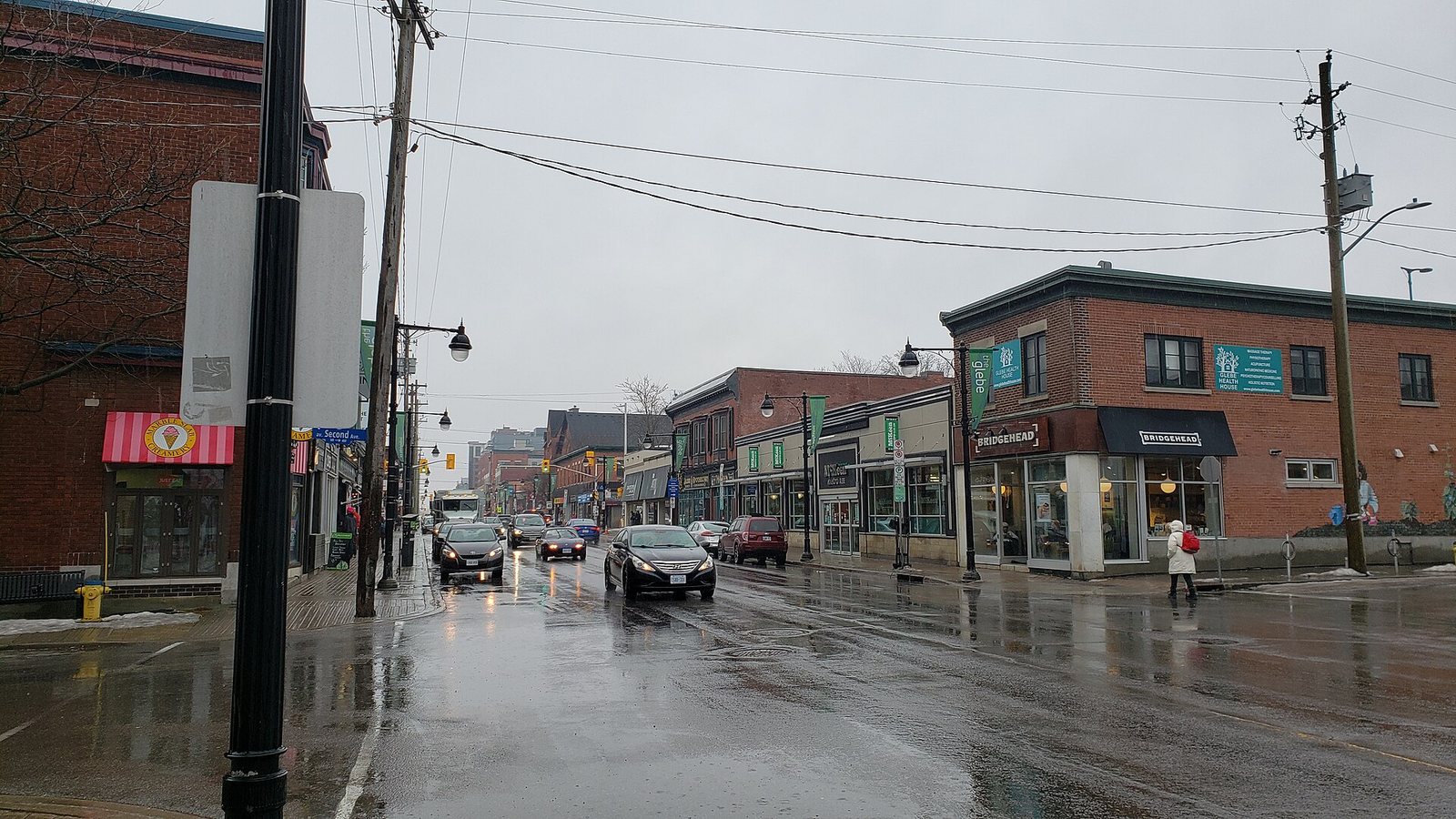
A walkable, established inner-urban neighbourhood between the Rideau Canal and Bank Street's shops — century homes, canal life, and one of Ottawa's strongest main-street cultures.
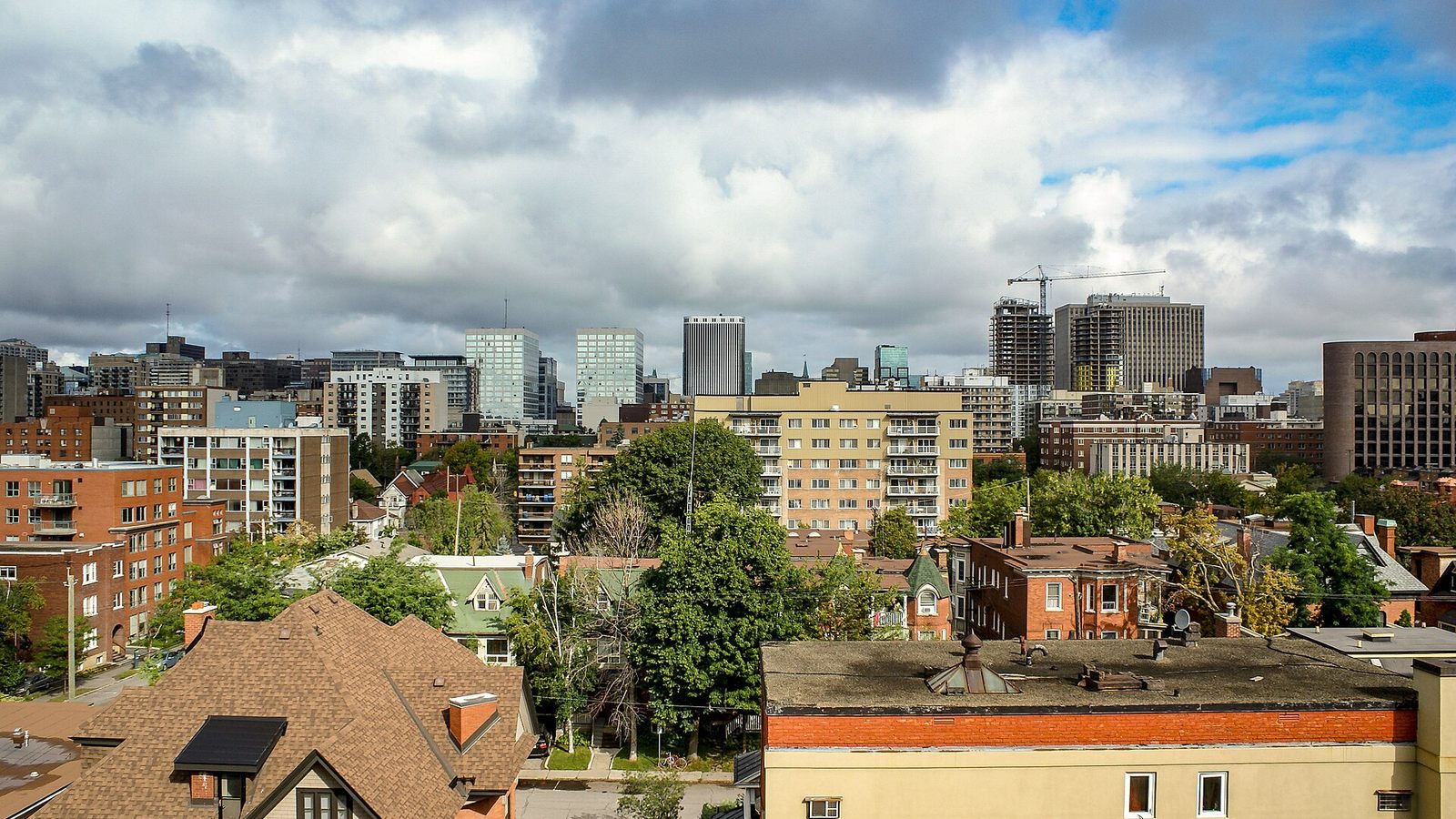
Ottawa's downtown-adjacent core south of Parliament — Bank and Elgin street life, condo towers beside heritage rows, and the shortest commute in the city traded against density and noise.

What does an inspection cover? A few hundred dollars of clarity on a several-hundred-thousand-dollar decision. What Ottawa inspectors typically look at, what they don't, what the inspection cost buys, and how the deficiencies they find fit a conditional-on-inspection offer.

What do I pay on closing? The purchase price is only the headline number. Between the accepted offer and closing day, a cluster of hidden costs comes due — land transfer tax, lawyer fees and disbursements, title insurance, adjustments and the repair buffer nobody budgets for.