

Westboro
A west-end urban village on the Ottawa River — boutique main street on Richmond Road, a real beach, mature side streets, and steady infill that keeps changing the skyline.
Neighbourhood guide · Urban Ottawa
A once-working-class west-side neighbourhood centred on Wellington West — arts spaces, independent food, small lots, and a fast-evolving streetscape close to downtown and the LRT.
Last reviewed July 22, 2026 · Assessments of neighbourhood character are editorial opinions based on local knowledge, not measured data.
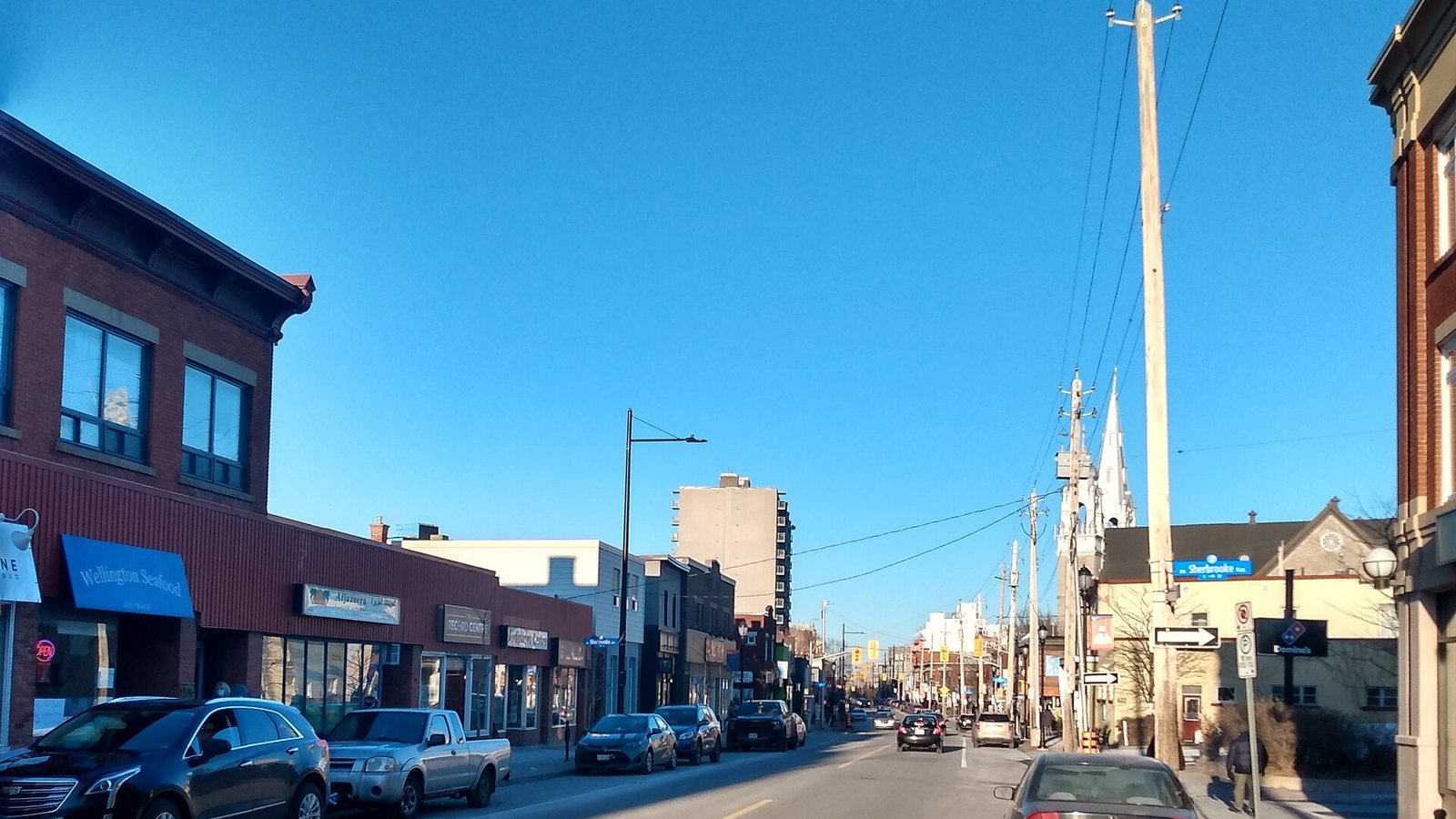
Housing you'll find here: Detached · Semi-detached · Townhouse · Low-rise condo · Apartment — each links to what that type is and its trade-offs.
Hintonburg is the neighbourhood people mean when they talk about Ottawa's west side finding its voice. Centred on Wellington Street West, it went from overlooked working-class district to one of the city's better-known arts-and-food strips within a generation — galleries and studios, independent restaurants, and a main street that still has hardware-store practicality mixed in with the newer arrivals.
That change is also the honest tension here. Long-time residents, newer buyers, and rising costs share the same small blocks, and the neighbourhood wears its gentrification debate openly. Housing is more attainable than Westboro next door but the gap has been narrowing, and the compact lots mean you're buying proximity, not space.
Hintonburg sits just west of downtown, roughly between the O-Train corridor near Bayview to the east and the streets around Holland Avenue to the west, with Scott Street to the north and the Queensway to the south. Wellington West runs through the middle and continues into Wellington Village and Westboro beyond. Boundaries here are informal and contested in the usual Ottawa way — treat these as editorial description.
In practical terms: Tunney's Pasture and Westboro are immediately west, LeBreton Flats and downtown are a short hop east, and the Ottawa River pathway is reachable across Scott Street.
The stock is dominated by early-1900s workers' housing — modest detached homes, semis, and rows on narrow lots — now heavily renovated in places, alongside newer low-rise condos and apartments near the main corridors. Renovation quality varies widely: some homes have been rebuilt to the studs, others carry a century of patchwork. The spread between the best and roughest house on a block can be large.
Small lots are the structural fact of life. Many properties have no driveway or a shared one, yards are tight, and additions run up against lot-line limits quickly — worth understanding before you plan a future expansion.
Wellington West carries the day-to-day: grocers, bakeries, cafés, restaurants that draw people from across the city, and an arts presence anchored by studios and performance spaces. The vibe is scruffier and more independent than Westboro's — closer to a working main street than a boutique one, though that balance shifts a little every year.
The mix of residents is broad — artists, young families, long-time owners, renters — which keeps the street life varied. Some blocks near the busier corridors carry more noise and grit than the leafy photos suggest; walk them at different hours before committing.
This is one of the better-connected neighbourhoods in the city for its price point: Line 1 of the LRT runs along the corridor at the neighbourhood's edge, frequent buses cover Wellington and Scott, and downtown is close enough that cycling or even walking in is realistic for many. The Queensway ramps at the southern edge handle car trips out of the core.
For non-drivers, the practical question is which end of the neighbourhood you're on — the walk to rail differs noticeably between the eastern and western blocks.
English public, Catholic, and French-language options serve the area, and the compact street grid keeps school runs walkable for many families — one reason the neighbourhood has held onto its family character through the change.
Green space is decent rather than abundant: neighbourhood parks like Parkdale Park with its market stalls in season, smaller squares tucked between streets, and the Ottawa River pathway a short ride north across Scott. If daily nature is a priority, the river corridor does the heavy lifting rather than the neighbourhood's interior.
Wellington West covers groceries, pharmacy, hardware, and a strong independent food scene, with the Parkdale Market adding produce in season. Larger-format shopping needs a car or a bus ride, but for daily errands most households can stay on foot.
Buying century-old workers' housing means inspecting hard: foundations, wiring, plumbing, and the quality of past renovations matter more than staging. Homes flipped quickly during the neighbourhood's rise deserve particular scrutiny — cosmetic finish can hide deferred structural work.
Parking is the other recurring theme: many properties rely on on-street permits, and winter snow tightens the competition. Check the parking situation for the specific address, not the block average.
A west-end urban village on the Ottawa River — boutique main street on Richmond Road, a real beach, mature side streets, and steady infill that keeps changing the skyline.
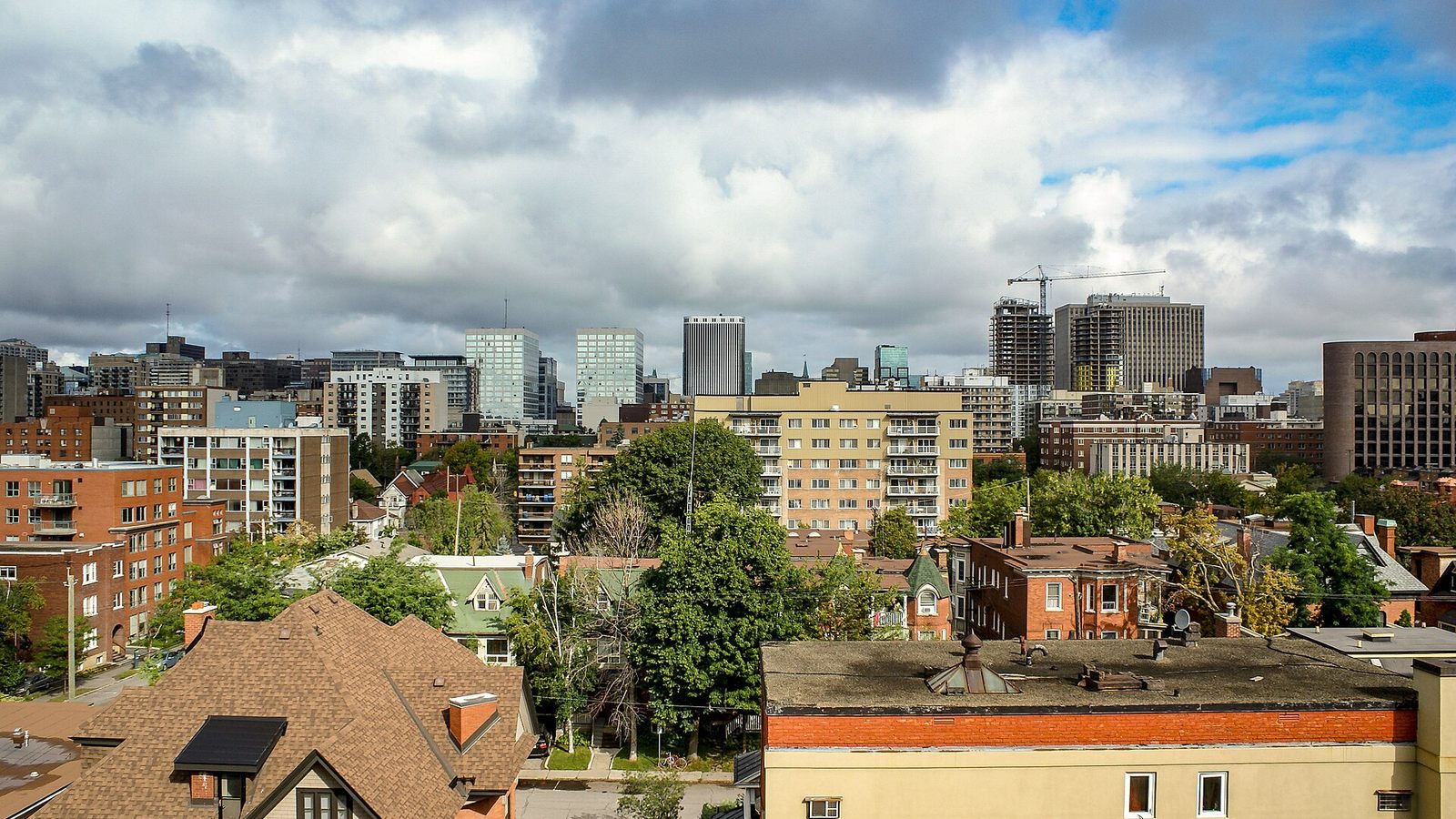
Ottawa's downtown-adjacent core south of Parliament — Bank and Elgin street life, condo towers beside heritage rows, and the shortest commute in the city traded against density and noise.
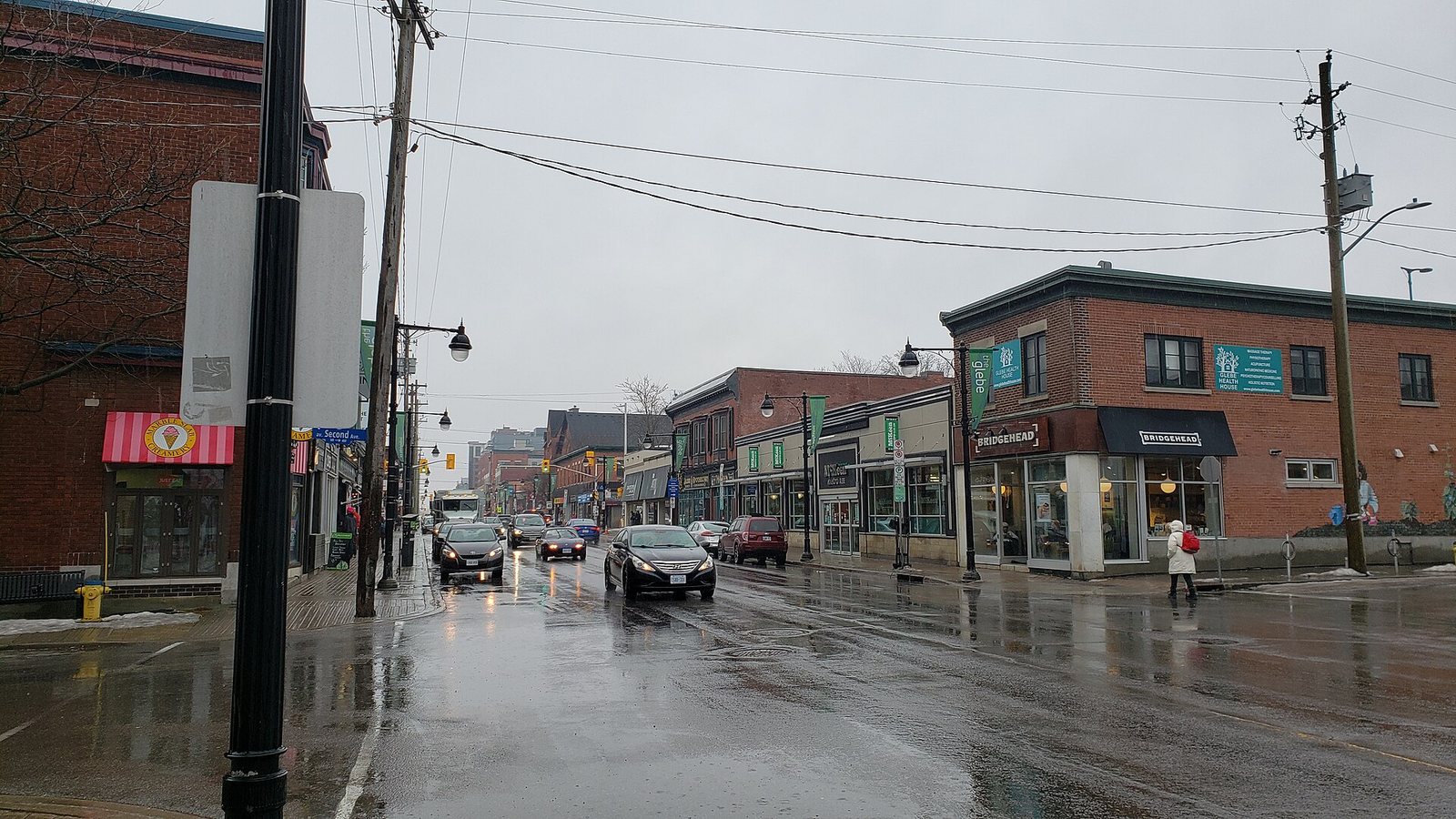
A walkable, established inner-urban neighbourhood between the Rideau Canal and Bank Street's shops — century homes, canal life, and one of Ottawa's strongest main-street cultures.

What does an inspection cover? A few hundred dollars of clarity on a several-hundred-thousand-dollar decision. What Ottawa inspectors typically look at, what they don't, what the inspection cost buys, and how the deficiencies they find fit a conditional-on-inspection offer.
What do I pay on closing? The purchase price is only the headline number. Between the accepted offer and closing day, a cluster of hidden costs comes due — land transfer tax, lawyer fees and disbursements, title insurance, adjustments and the repair buffer nobody budgets for.