
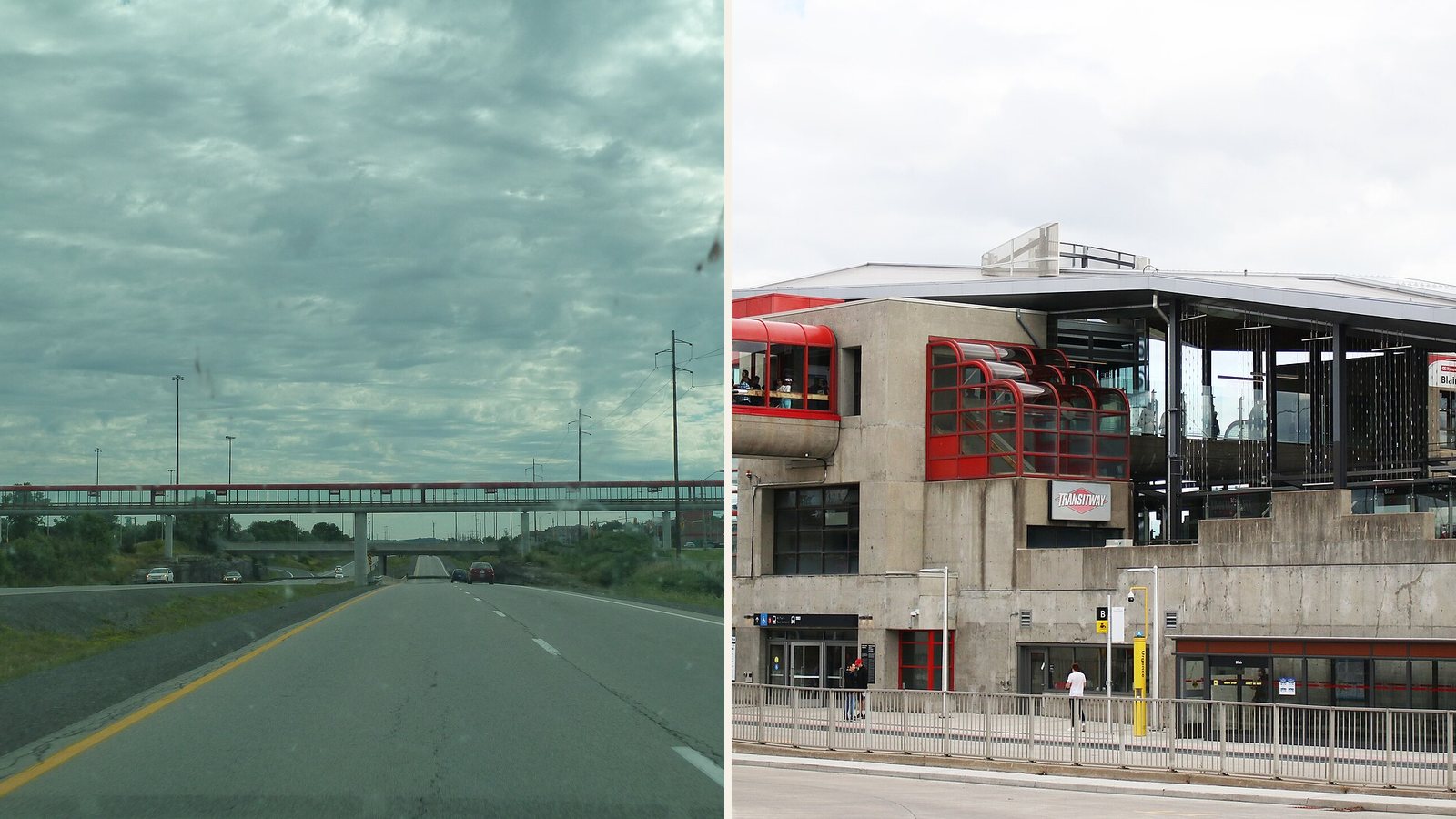
Orleans
Ottawa's big east-end suburb — bilingual community life with deep francophone roots, family subdivisions from the 1980s onward, river and greenbelt edges, and an LRT arrival that is rewriting its commute story.
Neighbourhood guide · Suburban Ottawa
A bilingual town on the Ottawa River about 35 kilometres east of the city, in Clarence-Rockland — outside Ottawa, steadily building, and the eastern counterpart to the commuter trade Kemptville offers in the south.
Last reviewed August 3, 2026 · Assessments of neighbourhood character are editorial opinions based on local knowledge, not measured data.
Housing you'll find here: Detached · Semi-detached · Townhouse — each links to what that type is and its trade-offs.
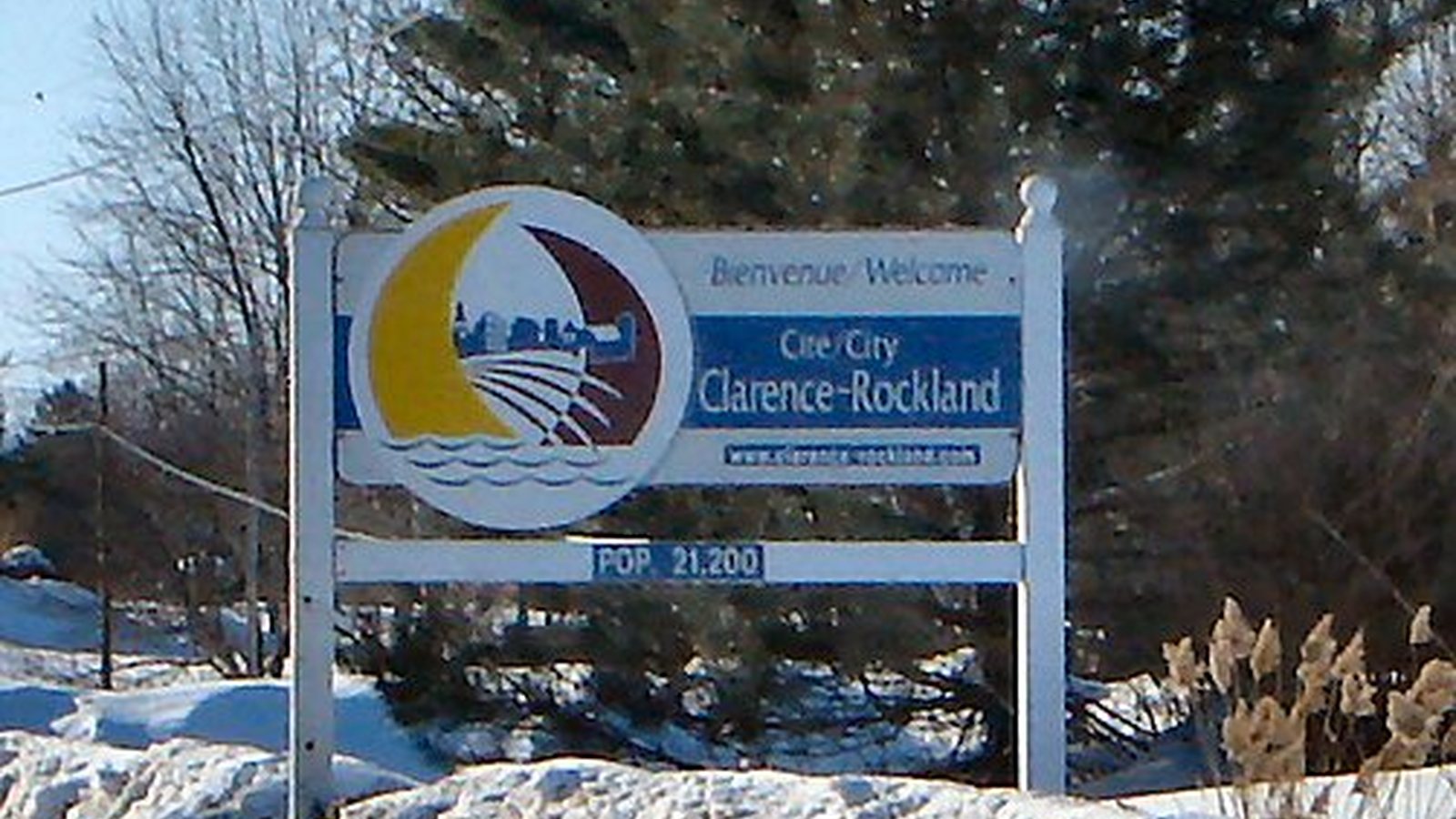
Rockland is not in Ottawa. It is the largest community in the City of Clarence-Rockland, in the United Counties of Prescott and Russell, about 35 kilometres east of downtown along the Ottawa River. Different municipality, different taxes, different school boards.
It is also strongly bilingual, with a substantial francophone majority — a genuine part of the town's character rather than a statistic, and one of the clearest differences between it and Ottawa's eastern suburbs.
The town sits on the south bank of the Ottawa River, east of Cumberland along Highway 174, which becomes County Road 17 at the city boundary. Orléans is the nearest Ottawa community, roughly twenty minutes west in good conditions.
That single road is the commuting story, and it is worth being blunt: Highway 174 is the constraint on this town. Its capacity and its incidents shape the eastern commute, and there is no alternate route of consequence.
Predominantly newer detached and townhouse subdivisions, with an older core near the river and continuing construction at the edges. As in Kemptville, the offer is more space for the money than the equivalent inside Ottawa.
Housing here is conventional and municipally serviced in the town itself, with rural properties in the surrounding countryside on private services.
River-oriented, bilingual and family-focused, with recreation, a waterfront and local commercial along Laurier Street. It functions as a town rather than purely as a bedroom community, though a large share of working residents commute into Ottawa.
For francophone households in particular, the depth of French-language services, schooling and community life is a substantive draw that Ottawa's eastern suburbs match only partly.
No OC Transpo service and no rail. Commuting means driving 174 west, with park-and-ride available once inside Ottawa. Some regional and private commuter options have existed over time; confirm what is running before relying on it.
Peak-hour 174 traffic is the defining daily constraint, and winter compounds it.
Schools are in the Prescott and Russell boards, including strong French-language public and Catholic options, not Ottawa's boards. For francophone families this is often the reason to look here rather than in Orléans.
The Ottawa River waterfront, local parks and the surrounding countryside are the green space. River access is the town's distinguishing natural feature.
Laurier Street and the local commercial area cover everyday needs, with larger retail in Orléans. Most routine shopping can be done in town.
As with Kemptville, nothing municipal carries over from Ottawa. Property tax rates, development charges, permits, water and sewer arrangements and service standards are Clarence-Rockland's.
Buyers should also weigh the 174 dependency honestly. It is the single factor most likely to determine whether living here works over years rather than months.
Each entry reflects the builder's own website on the date shown — availability changes quickly, so confirm with the builder. See the full builder directory →
Ottawa's big east-end suburb — bilingual community life with deep francophone roots, family subdivisions from the 1980s onward, river and greenbelt edges, and an LRT arrival that is rewriting its commute story.

Ottawa's fast-grown southwest suburb — newer family housing at scale, big-box convenience, strong community infrastructure, and a car-first commute that residents plan their lives around.

A growing town about 35 kilometres south of Ottawa — outside the city entirely, in North Grenville — that draws Ottawa buyers on price and sells them a genuinely different set of trade-offs.
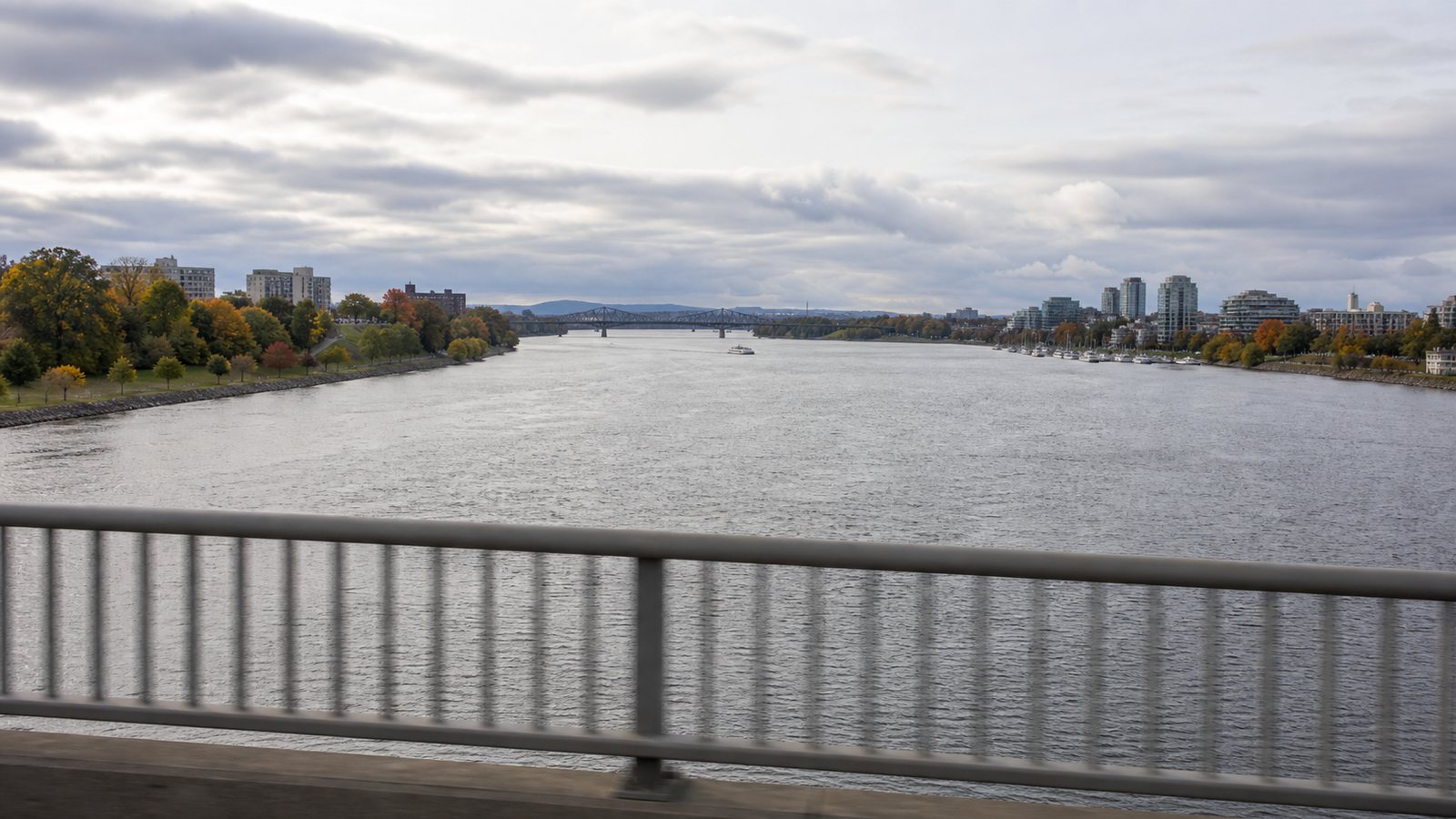
Three different moves get called relocating to Ottawa, and they have almost nothing in common. Arriving from another province means learning Ontario's closing costs. Moving across the river to Gatineau means changing province — a different tax, a notary instead of a lawyer, and a different everything else. And moving within the region is really a commute decision.

What my budget buys changes completely depending on where you point it. Hold a single number constant and move it around the city and it stops being a budget and becomes a set of trade-offs: space versus location versus age. Here is what you can get for it, by area.

What do I pay on closing? The purchase price is only the headline number. Between the accepted offer and closing day, a cluster of hidden costs comes due — land transfer tax, lawyer fees and disbursements, title insurance, adjustments and the repair buffer nobody budgets for.