

Barrhaven
Ottawa's fast-grown southwest suburb — newer family housing at scale, big-box convenience, strong community infrastructure, and a car-first commute that residents plan their lives around.
Neighbourhood guide · Suburban Ottawa
Ottawa's south-end growth community, built along the Rideau River and now the only new-build suburb on the city's rail network. Family housing at scale, still filling in, with a station where the buses used to be.
Last reviewed August 3, 2026 · Assessments of neighbourhood character are editorial opinions based on local knowledge, not measured data.
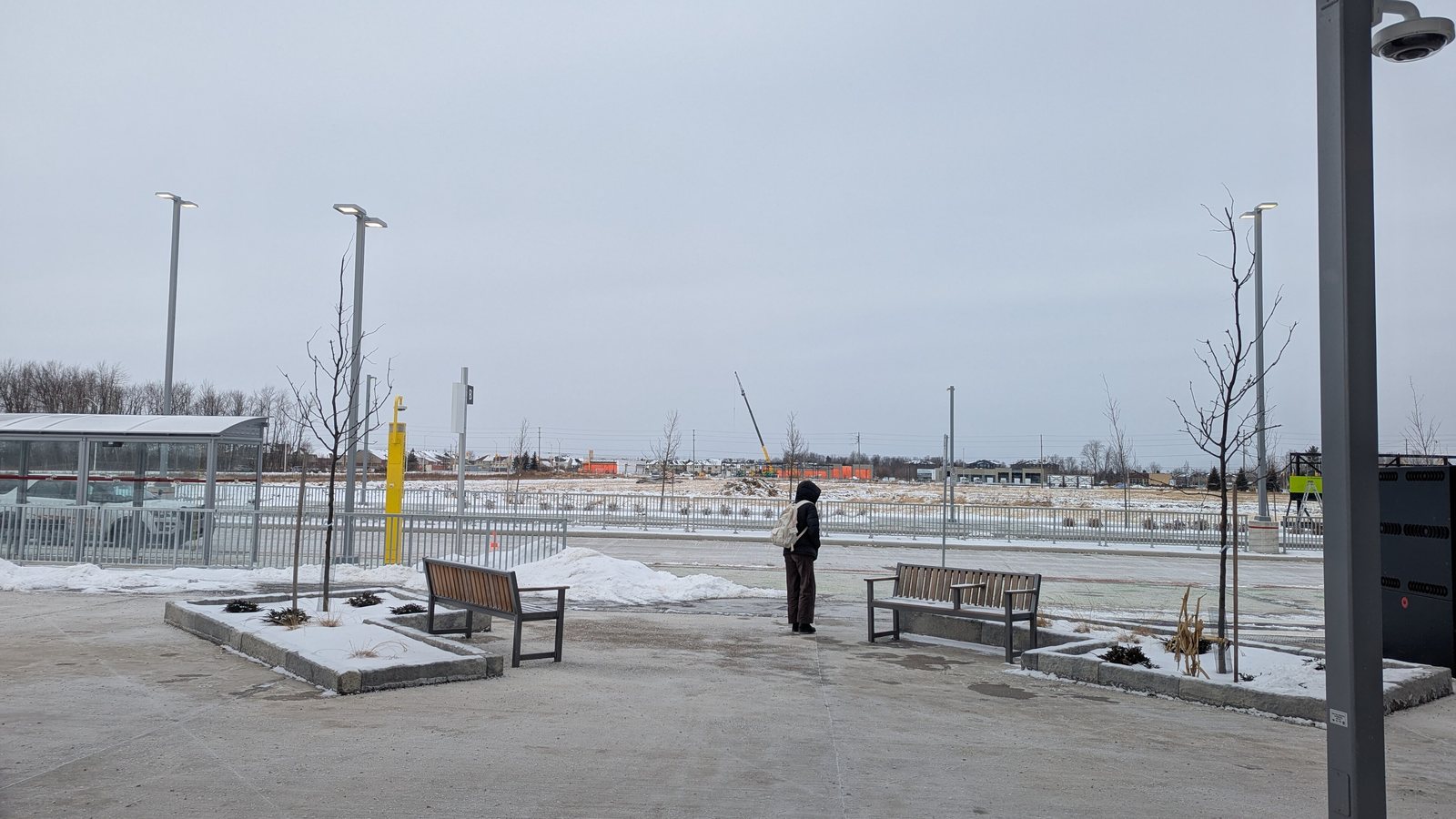
Housing you'll find here: Detached · Semi-detached · Townhouse · Stacked town — each links to what that type is and its trade-offs.
Riverside South is one of the newest large communities in Ottawa, laid out along the east bank of the Rideau River between Manotick and the airport lands. Most of it has been built since the 2000s, and a good deal of it is still being built now.
What separates it from every other new-build suburb in the city is Limebank, the southern terminus of the O-Train's Trillium Line. Riverside South is the only greenfield community in Ottawa where a family house on a new street sits within reach of rail rather than a park-and-ride. That single fact is doing most of the work in how the area is marketed, and it is worth understanding precisely rather than in the abstract.
The community sits south of the Airport Parkway and Leitrim, west of Findlay Creek, and north of Manotick. Limebank Road and Earl Armstrong Road are the spines; the Rideau River forms the western edge, with Barrhaven directly across the water and no direct crossing for much of its length.
In practical terms: the airport is genuinely close, Barrhaven is close as the crow flies and much further by road, and downtown is a rail trip rather than a drive if the timing suits you.
Predominantly post-2000 detached homes, semis and townhouses on planned streets, with stacked townhouses and low-rise forms appearing in the newer phases nearer the station. Lot sizes are suburban rather than generous, and the housing mix is deliberately broad — this is a community designed to absorb a lot of households at several price points.
Because so much of it is recent, the new-build buying process matters here more than the resale one. Deposits, the design studio, occupancy and the warranty are the mechanics that will actually decide your experience, and they are not the same as buying an existing home.
Daily life is suburban and car-shaped for most errands, softened by the river. The Rideau's edge carries trail and park access, and the community's own parks and pathways were planned in rather than retrofitted — which is one real advantage of a place built recently and all at once.
What it does not have is an old main street. There is no historic core here, and no walkable strip of independent shops. If that is what you are looking for, it is a genuine absence rather than something arriving later.
Limebank station is the reason to look here, and the reason to check your own trip carefully. The Trillium Line runs north to Bayview, where you change for the Confederation Line to reach downtown — so a downtown commute is a train trip plus a transfer, not a single ride.
For the airport the calculation is different and better: the Trillium Line's airport spur means the terminal is a short rail trip rather than a drive and a parking fee.
Schools in Riverside South are newer and were built alongside the community, which usually means modern buildings and, in fast-growing phases, enrolment pressure. Growth communities frequently open with portables and boundary changes while permanent capacity catches up.
River access, planned pathways and neighbourhood parks are the strength here. The Rideau River corridor gives the community a natural western edge that most Ottawa suburbs of this age do not have.
Everyday shopping is a short drive rather than a walk, with the larger concentrations at Barrhaven and along the Bank Street corridor toward Findlay Creek. Retail inside the community has arrived more slowly than housing, which is normal for a suburb still filling in.
Two things shape ownership here more than the house itself. The first is that a still-building community is a construction site for years — traffic, dust, noise and changing street access are the ordinary condition, not a defect.
The second is that buying new means the builder's process governs. Understand the deposit structure, what the design studio actually costs, what interim occupancy means for a condominium form, and what Tarion does and does not cover, before you sign.
Each entry reflects the builder's own website on the date shown — availability changes quickly, so confirm with the builder. See the full builder directory →
Ottawa's fast-grown southwest suburb — newer family housing at scale, big-box convenience, strong community infrastructure, and a car-first commute that residents plan their lives around.

A south-end community that has gone from greenfield to established in about two decades — family housing, a wetland at its edge, and the Bank Street corridor as its road to everything else.
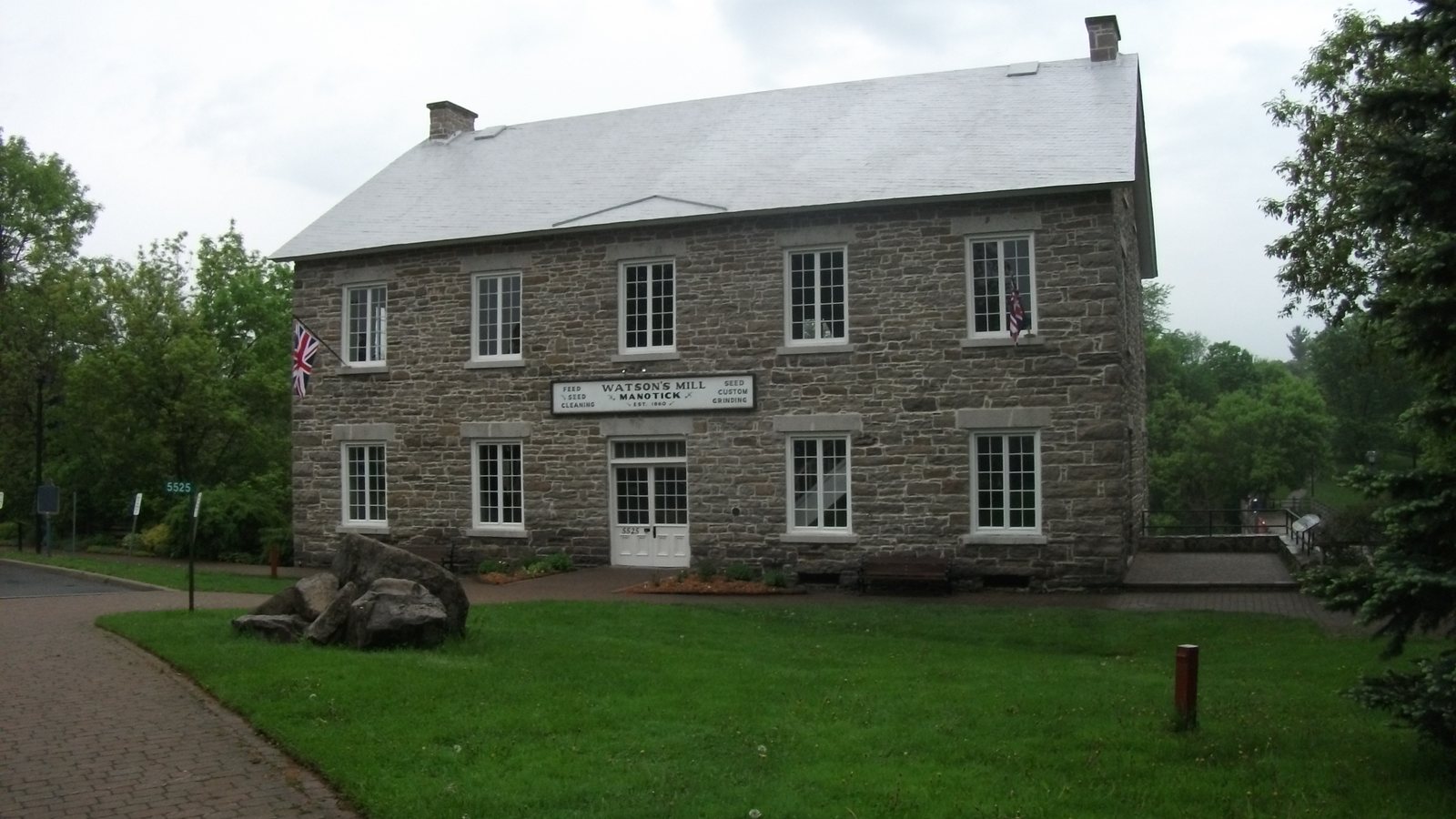
A historic Rideau River village in Ottawa's south, built around a working nineteenth-century mill, with estate lots and newer subdivisions filling in around a core that has kept its character.
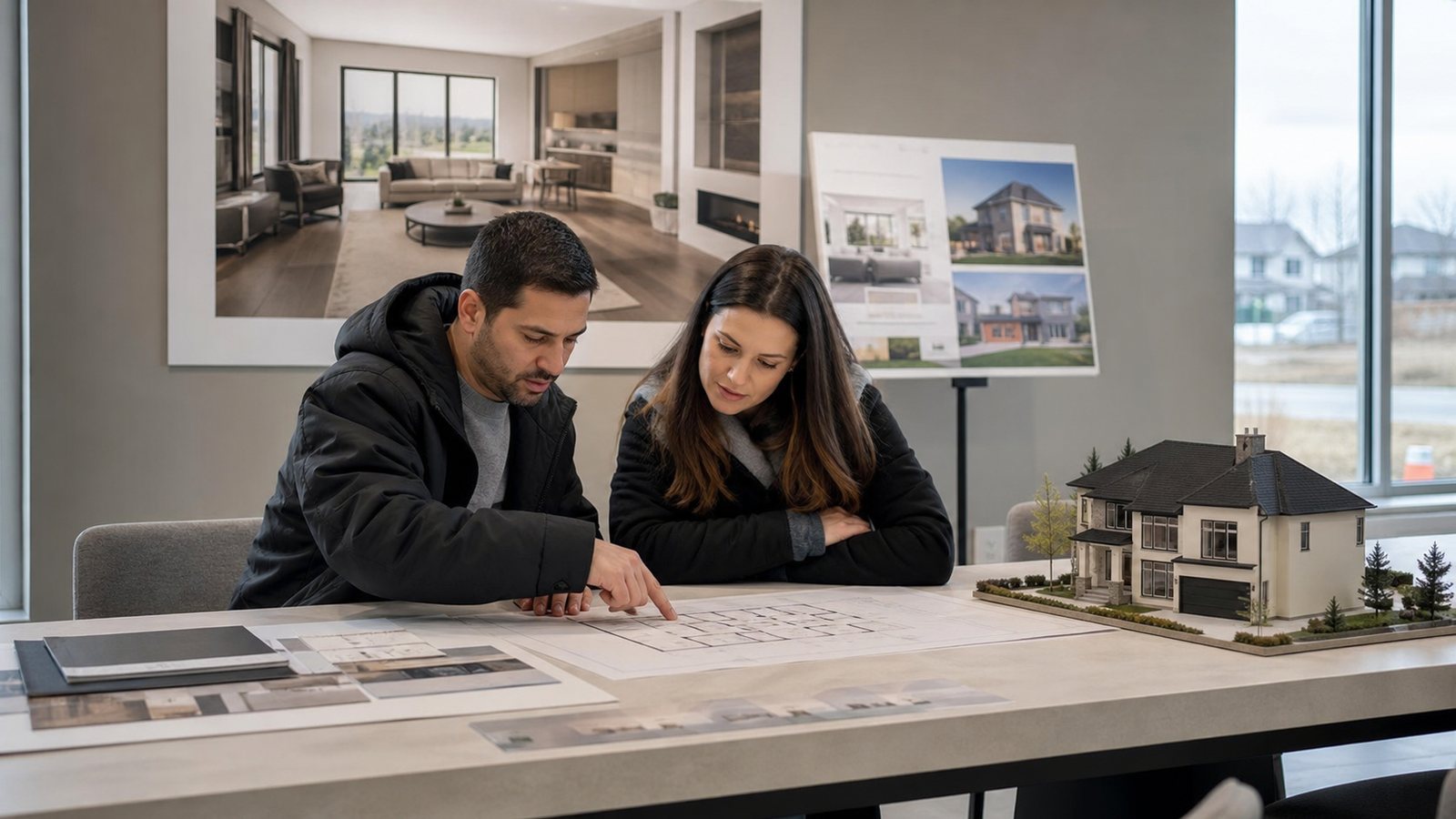
Buying preconstruction is a different transaction from buying resale: the builder agreement is the builder's own paper, the home doesn't exist yet, and the timeline is measured in seasons. New vs resale, and the whole journey in the buyer's order.

A new-build deposit is bigger than a resale one, paid in stages over months, and handed to a builder long before there is a house. What stands behind that money depends on whether you are buying freehold or condominium — and since April 2026, partly on whether you filed one form. How staged deposits are scheduled, what Tarion deposit protection actually covers, and the deposit vs down payment distinction that catches most first-time buyers.

What my budget buys changes completely depending on where you point it. Hold a single number constant and move it around the city and it stops being a budget and becomes a set of trade-offs: space versus location versus age. Here is what you can get for it, by area.