
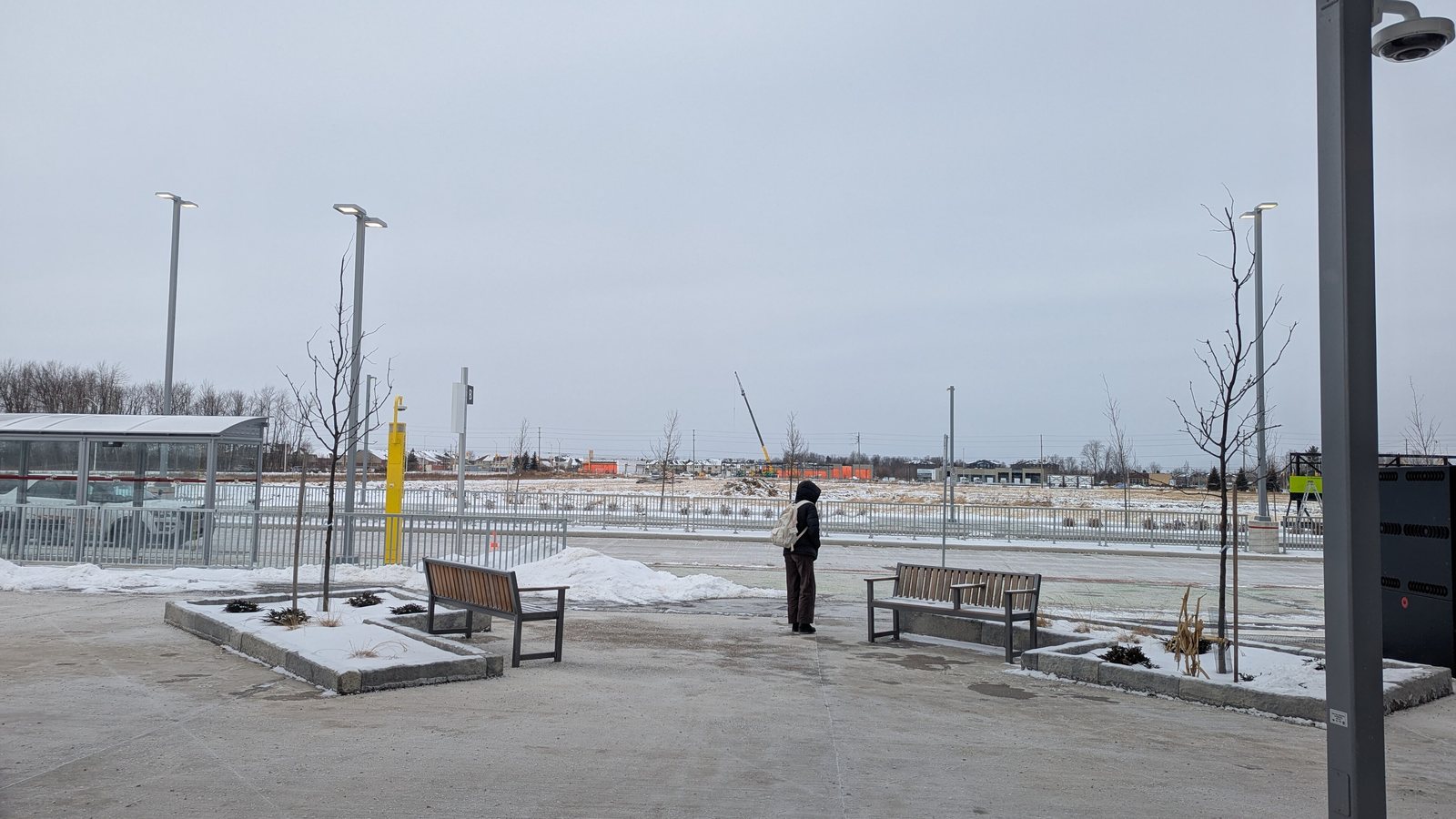
Riverside South
Ottawa's south-end growth community, built along the Rideau River and now the only new-build suburb on the city's rail network. Family housing at scale, still filling in, with a station where the buses used to be.
Neighbourhood guide · Suburban Ottawa
A south-end community that has gone from greenfield to established in about two decades — family housing, a wetland at its edge, and the Bank Street corridor as its road to everything else.
Last reviewed August 3, 2026 · Assessments of neighbourhood character are editorial opinions based on local knowledge, not measured data.

Housing you'll find here: Detached · Semi-detached · Townhouse · Stacked town — each links to what that type is and its trade-offs.
Findlay Creek sits at Ottawa's southern edge, south of Leitrim Road and east of Bank Street. Twenty years ago most of it was farmland. Today it is a settled family suburb with schools, parks and a retail node of its own — which makes it a useful reference point for anyone weighing a brand-new community elsewhere.
It is worth looking at precisely because it shows the arc. What Riverside South is doing now, Findlay Creek has largely finished doing, and the areas that filled in first feel noticeably different from the newest phases.
The community is bounded by the Findlay Creek wetland to the south and east, with Bank Street as the main north-south route into the city. Leitrim is immediately north, Riverside South lies west across Bank, and beyond the southern edge the land turns rural quickly.
In practical terms it is a genuine outer-suburb location: the airport is close, downtown is not, and Bank Street carries almost all of the traffic in and out.
Almost entirely post-2000 housing — detached homes on standard suburban lots, plus semis, townhouses and stacked forms. The earliest phases are now mature enough to trade as ordinary resale stock, while building continues at the margins.
That mix matters when you shop: a 2006 house and a 2025 house here are different products with different problems. The older phases have grown-in landscaping and settled streets; the newest ones have current layouts, current efficiency and a construction site next door.
Life here is suburban and family-shaped, and unusually green for a community of this age. The Findlay Creek wetland and its boardwalk sit right at the edge of the built area, which gives the community a natural boundary and a genuine amenity rather than a token strip of grass.
As with every planned suburb in this list, the trade is walkability. Errands are drives, and the retail that exists is arranged for cars.
Transit is bus-based and runs up the Bank Street corridor. There is no rail here and none planned into the community itself — the nearest rail is the Trillium Line to the west, reached by road.
The honest summary is that this is a driving community with a bus option, and the Bank Street commute at peak is the single thing most likely to shape your day.
Schools were built alongside the community and serve it directly, which is one of the practical advantages of a suburb that filled in quickly rather than piecemeal.
The wetland and its boardwalk are the distinguishing feature, alongside the usual complement of neighbourhood parks and pathways. Green space is a real strength here rather than a marketing line.
A retail node has grown at the community's north end, with the larger concentrations on Bank Street toward South Keys. Day-to-day needs are met locally; anything more is a drive.
Findlay Creek is far enough along that most purchases here are ordinary resale transactions rather than builder contracts — which means a home inspection matters more than a design studio.
On the newest phases the reverse is true, and the new-build process applies in full. Know which of the two you are actually buying before you start.
Each entry reflects the builder's own website on the date shown — availability changes quickly, so confirm with the builder. See the full builder directory →
Ottawa's south-end growth community, built along the Rideau River and now the only new-build suburb on the city's rail network. Family housing at scale, still filling in, with a station where the buses used to be.

Ottawa's fast-grown southwest suburb — newer family housing at scale, big-box convenience, strong community infrastructure, and a car-first commute that residents plan their lives around.
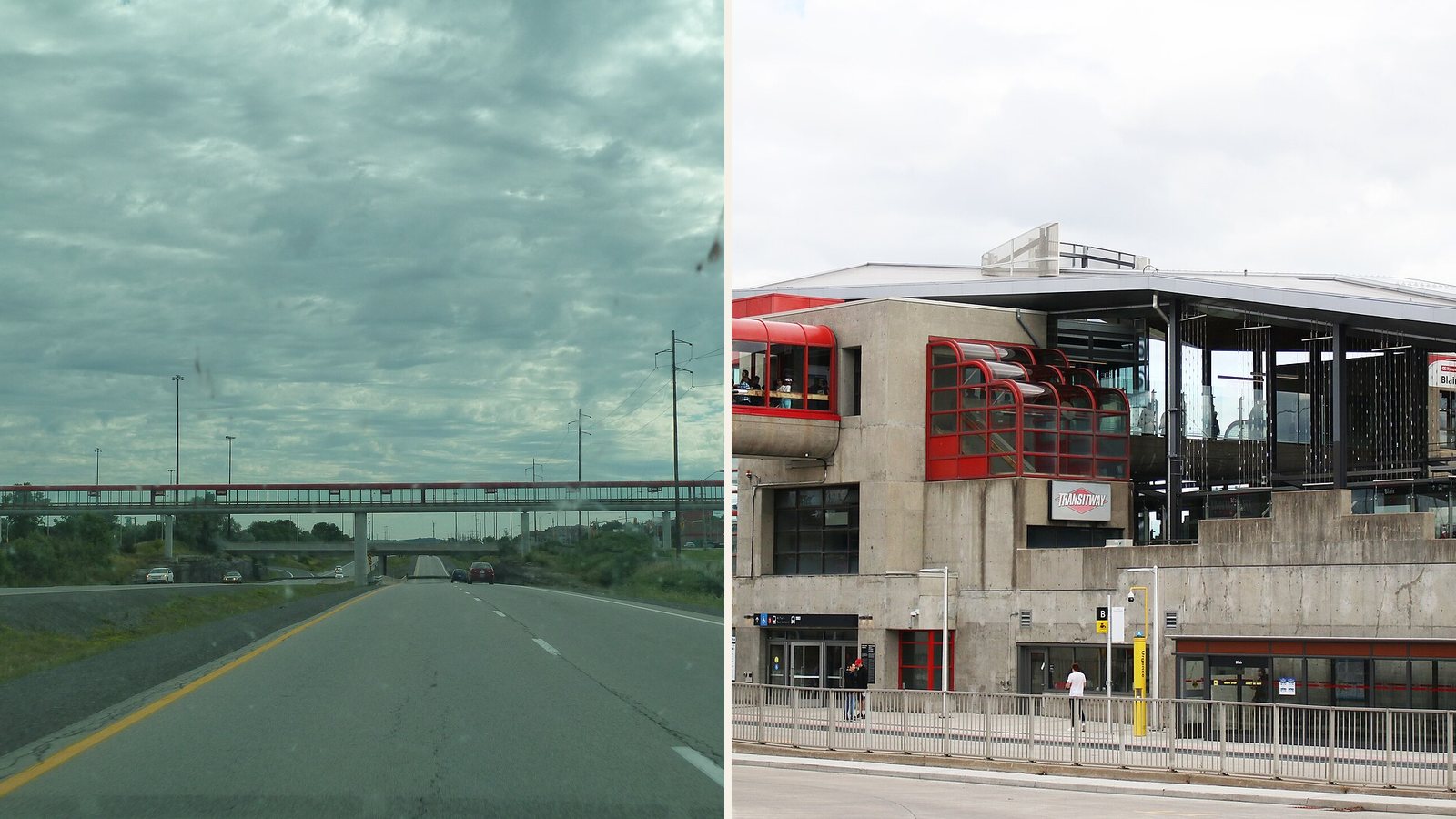
Ottawa's big east-end suburb — bilingual community life with deep francophone roots, family subdivisions from the 1980s onward, river and greenbelt edges, and an LRT arrival that is rewriting its commute story.

What does an inspection cover? A few hundred dollars of clarity on a several-hundred-thousand-dollar decision. What Ottawa inspectors typically look at, what they don't, what the inspection cost buys, and how the deficiencies they find fit a conditional-on-inspection offer.
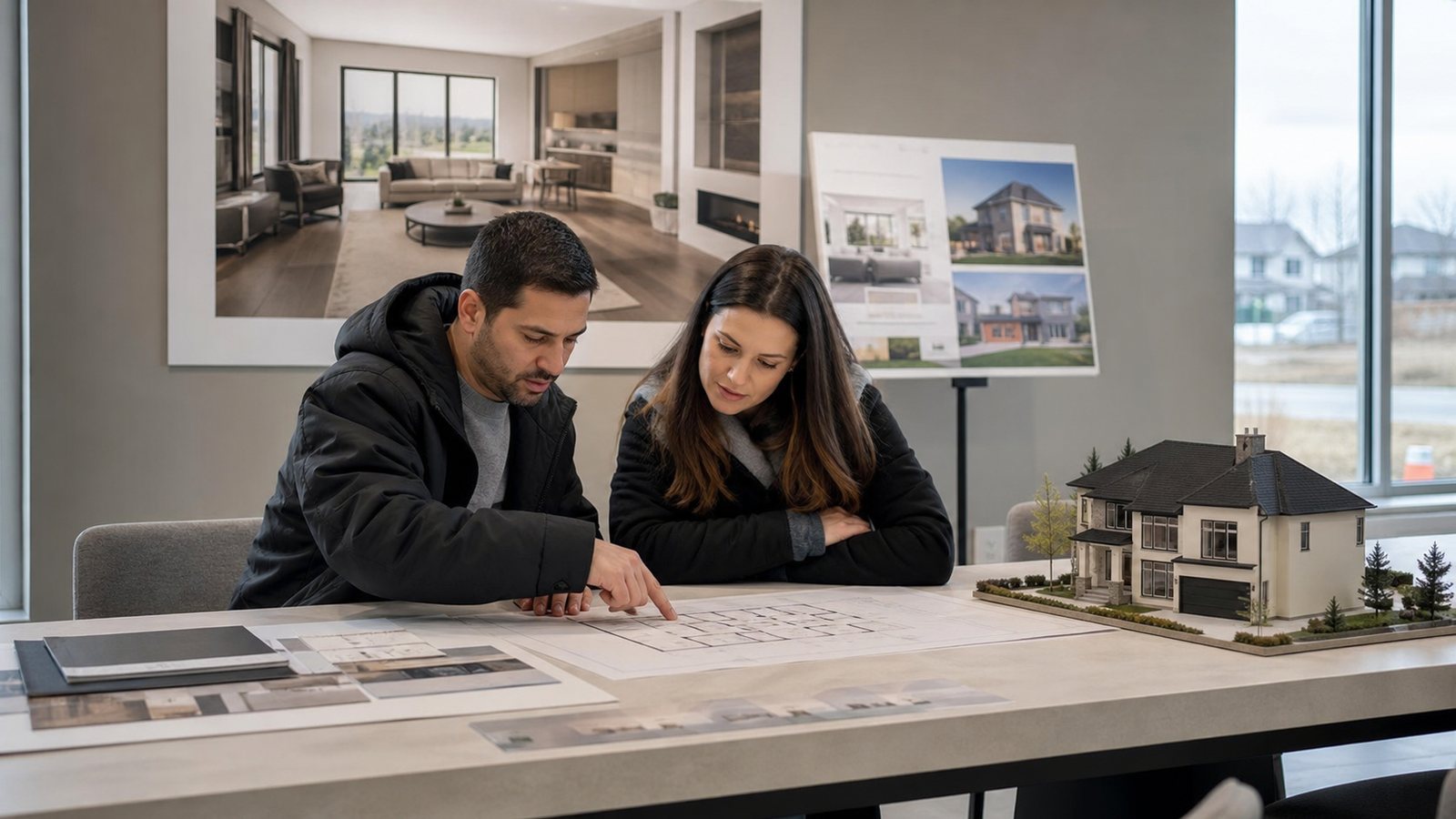
Buying preconstruction is a different transaction from buying resale: the builder agreement is the builder's own paper, the home doesn't exist yet, and the timeline is measured in seasons. New vs resale, and the whole journey in the buyer's order.
What do I pay on closing? The purchase price is only the headline number. Between the accepted offer and closing day, a cluster of hidden costs comes due — land transfer tax, lawyer fees and disbursements, title insurance, adjustments and the repair buffer nobody budgets for.