
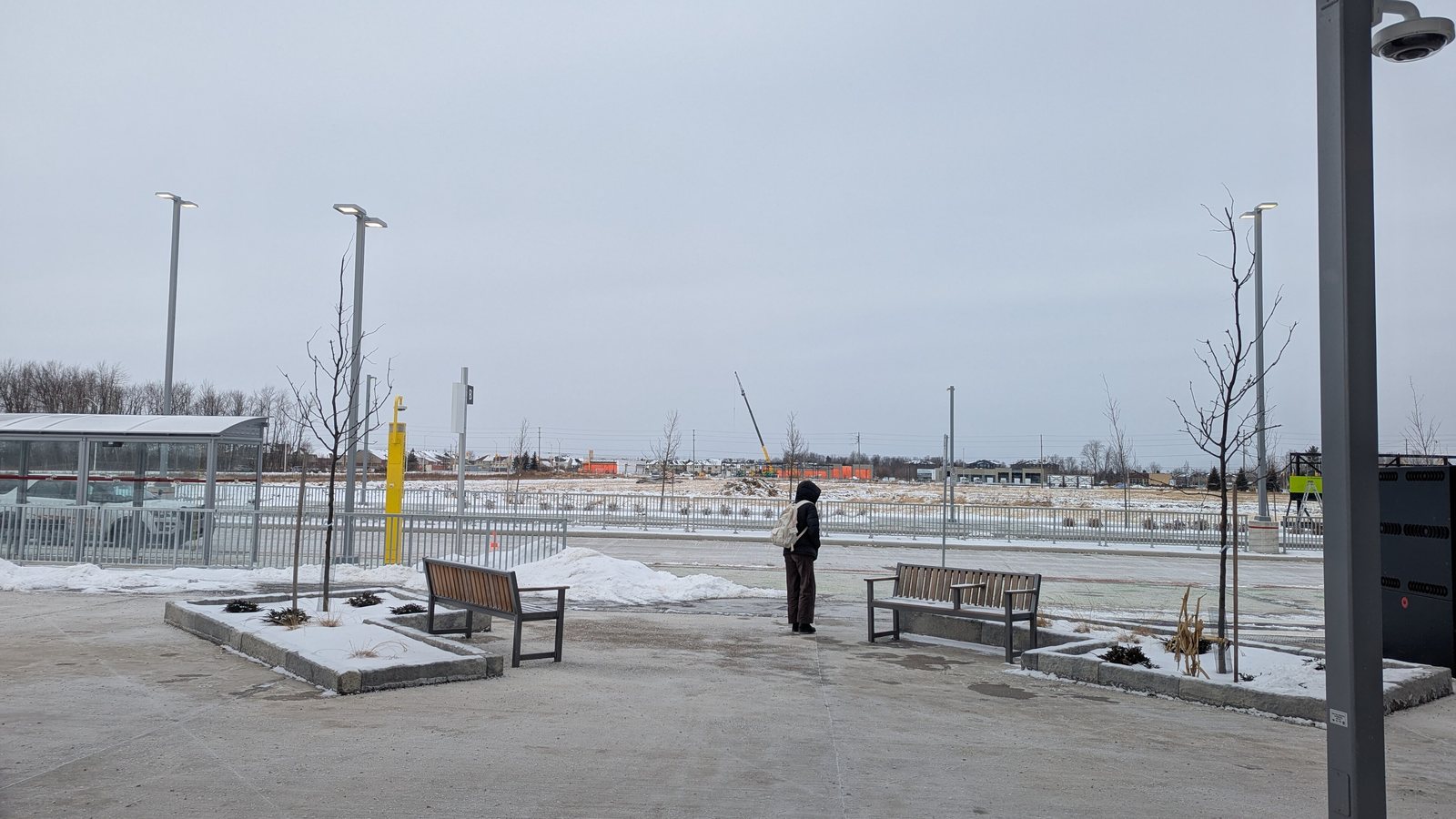
Riverside South
Ottawa's south-end growth community, built along the Rideau River and now the only new-build suburb on the city's rail network. Family housing at scale, still filling in, with a station where the buses used to be.
Neighbourhood guide · Suburban Ottawa
A historic Rideau River village in Ottawa's south, built around a working nineteenth-century mill, with estate lots and newer subdivisions filling in around a core that has kept its character.
Last reviewed August 3, 2026 · Assessments of neighbourhood character are editorial opinions based on local knowledge, not measured data.
Housing you'll find here: Detached · Semi-detached · Townhouse — each links to what that type is and its trade-offs.
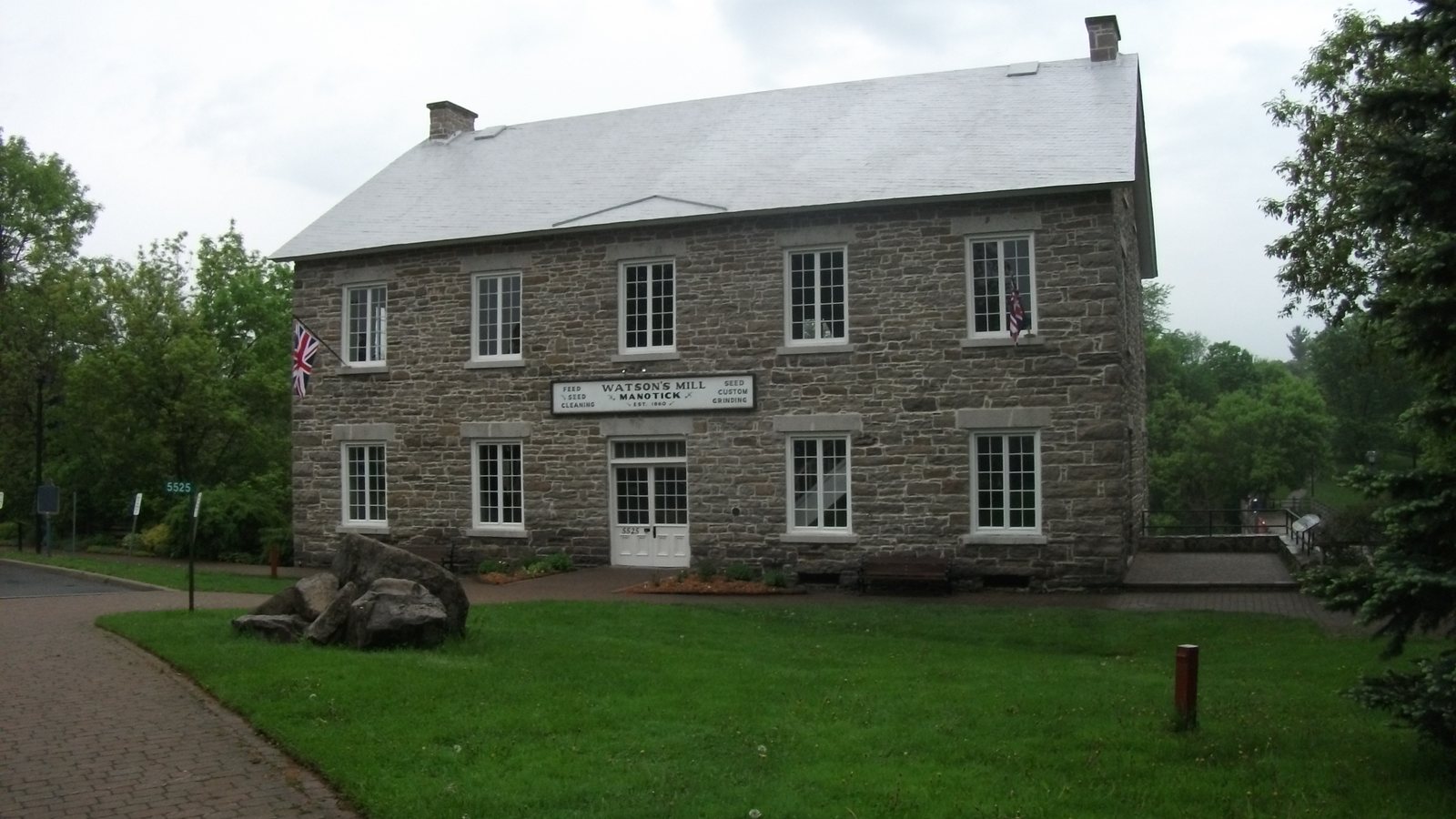
Manotick sits on the Rideau River about 25 kilometres south of downtown Ottawa, built around Watson's Mill — an operating 1860 grist mill that still grinds flour and is the reason the village exists at all.
It is the most established of the six communities in this set: a real village core with a main street, surrounded by decades of newer building at several price points. The village and the subdivisions around it are quite different places, and the distinction matters when you shop.
The village occupies both banks of the Rideau, with Long Island in between. Bridge Street and Manotick Main Street form the core; Riverside South is directly north, Barrhaven northwest across the water, and the countryside begins immediately to the south and east.
Practically, Manotick is close to the south-end suburbs and a long way from downtown — a distinction that is easy to lose when you look at a map rather than at a commute.
Three distinct kinds of housing sit here. The village core carries older and heritage homes on established lots. Estate subdivisions on large lots, some on private services, ring the village. And newer planned developments — Mahogany the best known — have added conventional suburban stock at the edges.
These trade differently and inspect differently. An 1890s village house, a 1980s estate property on a well and septic, and a 2020 subdivision home are three separate purchases with three separate due-diligence lists.
River-centred and village-paced, with a genuinely walkable core: independent shops, the mill, the dickinson square heritage buildings, and events through the year. It is one of the few places in Ottawa where a village main street is the actual social centre rather than a preserved facade.
Beyond that core it is suburban and rural in character, and a car is required.
Bus service links the village toward Barrhaven and the transitway, with park-and-ride the realistic option for most commuters. There is no rail.
Expect a long, road-based commute downtown, with the Rideau River crossings shaping the routes available and creating predictable pinch points.
The village has local schooling, with wider catchments reaching into the south-end suburbs for some levels. Busing is routine given the surrounding rural area.
The river is the amenity: waterfront, Long Island, conservation land and trail access, along with village parks. Green space here is high quality and genuinely central to daily life rather than peripheral.
The main street covers day-to-day needs with independent businesses, and Barrhaven's larger retail is a short drive north. This is a village that has kept a functioning commercial core, which is unusual.
Two ownership questions matter more here than in a standard suburb. Estate and rural-edge properties may be on wells and septic systems, with everything that implies for testing, maintenance and financing. And older village housing carries the ordinary problems of old houses — wiring, insulation, foundations and past work of unknown provenance.
Neither is a reason to avoid the area. Both are reasons to inspect properly and to price the diligence in.
Each entry reflects the builder's own website on the date shown — availability changes quickly, so confirm with the builder. See the full builder directory →
Ottawa's south-end growth community, built along the Rideau River and now the only new-build suburb on the city's rail network. Family housing at scale, still filling in, with a station where the buses used to be.

Ottawa's fast-grown southwest suburb — newer family housing at scale, big-box convenience, strong community infrastructure, and a car-first commute that residents plan their lives around.
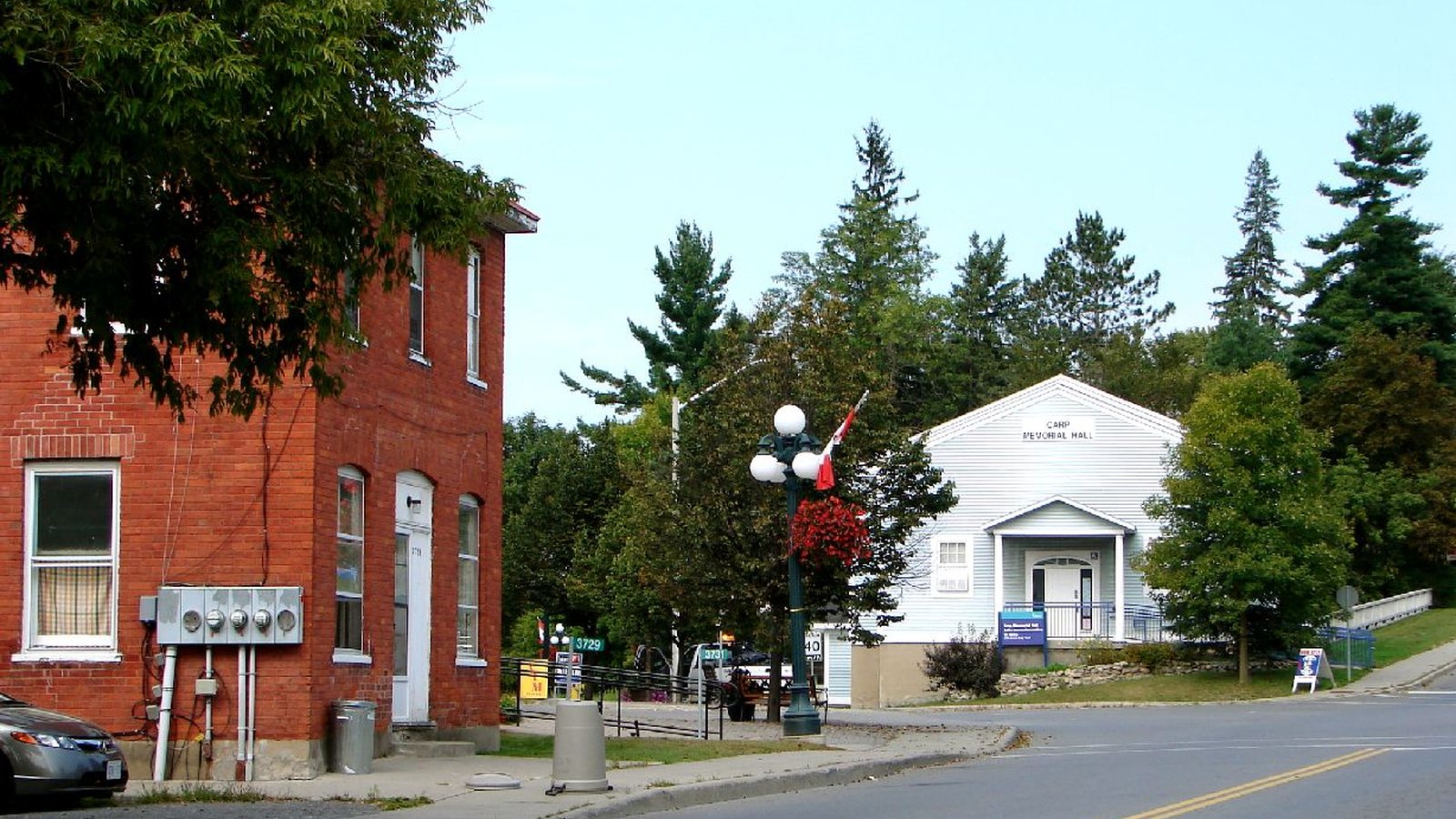
A village in Ottawa's rural west with a real main street, a working fairground and a Cold War bunker — close enough to Kanata's employment belt to be a commute, far enough out to still be countryside.
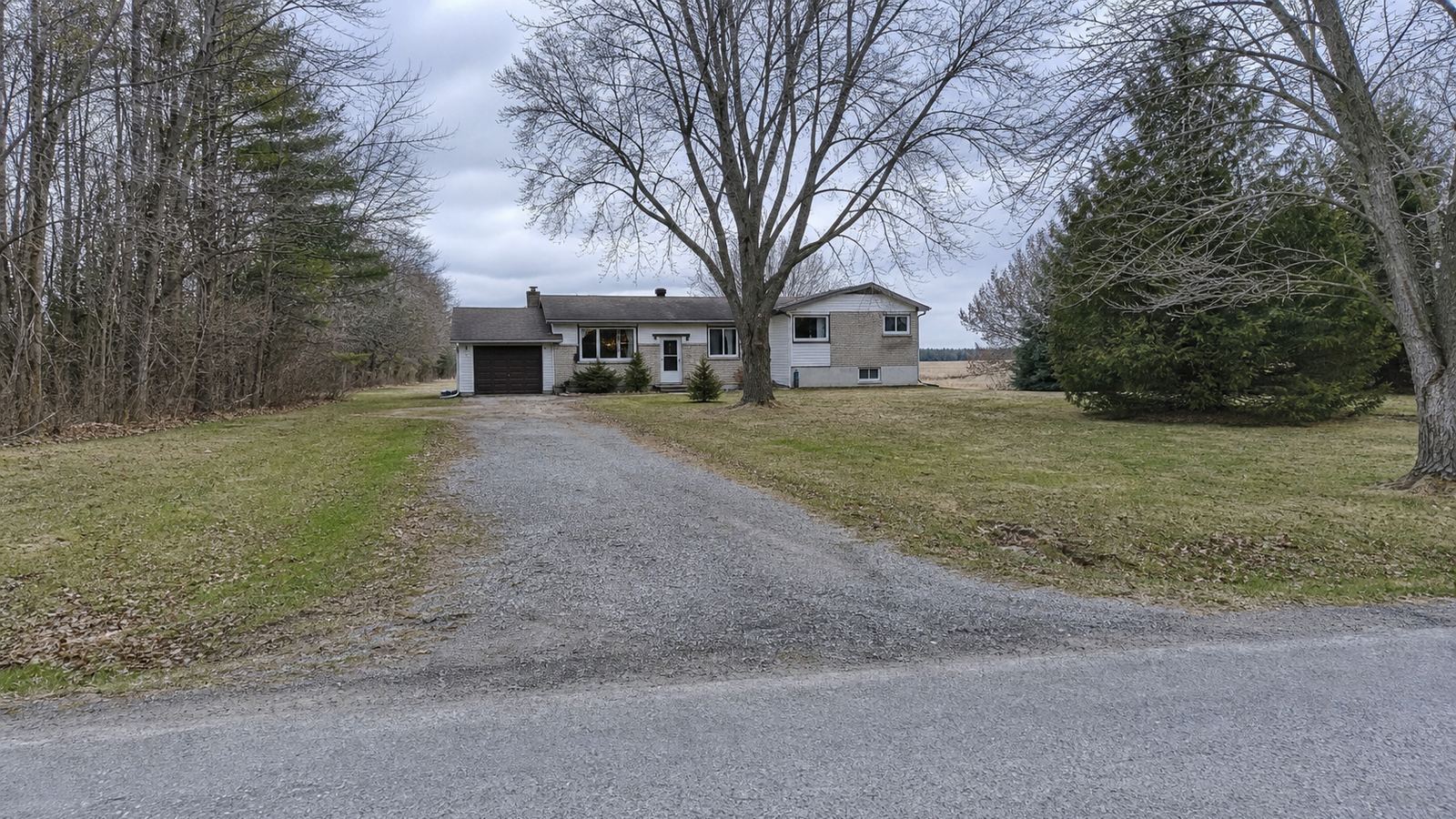
Ottawa is mostly rural by area, and a country property replaces three things you never think about in the city: the water comes from your well, the waste goes into your septic system, and the road may belong to you and your neighbours. What to check before offering, who regulates what, and the free water testing most owners never use.
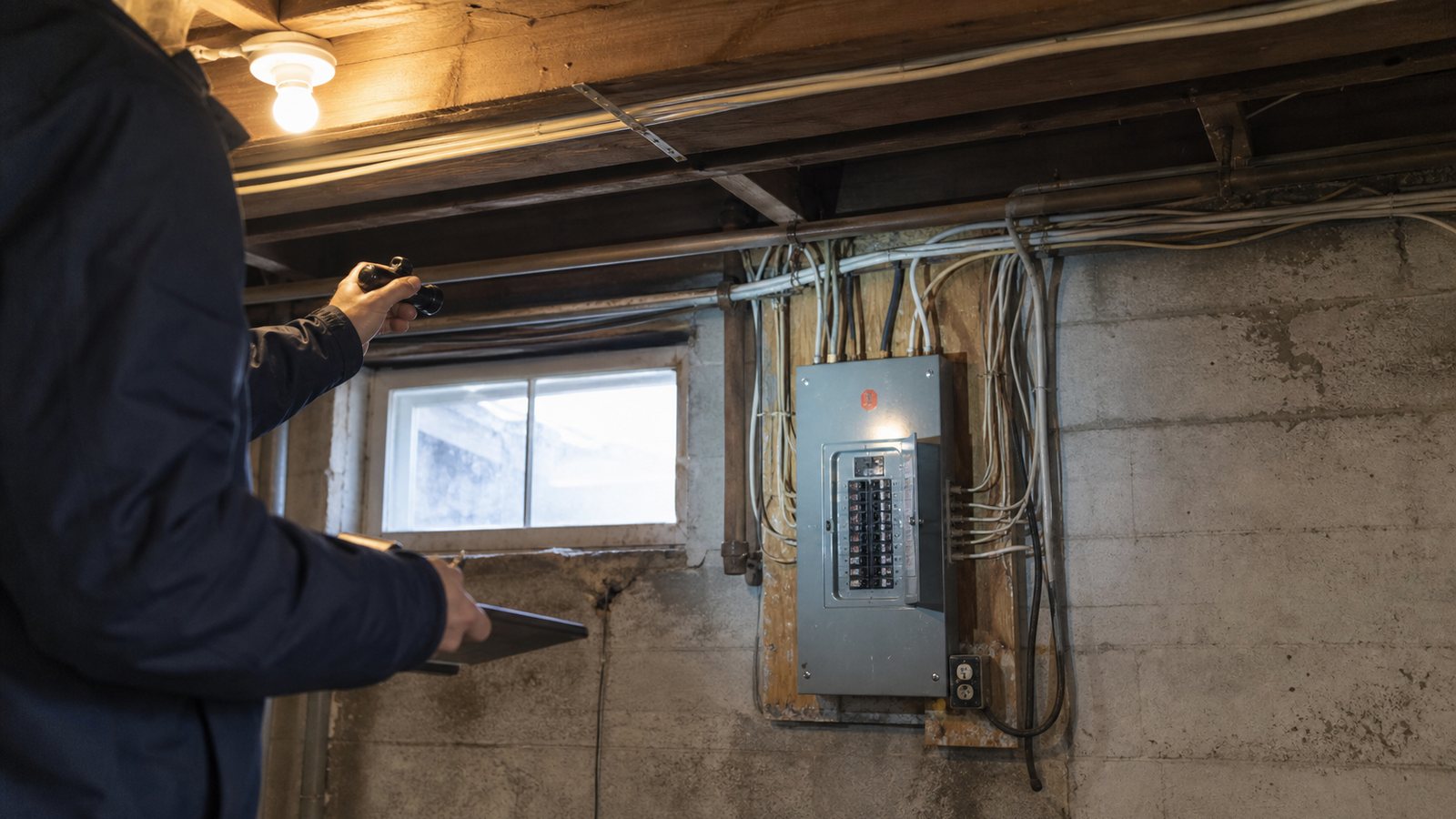
Older Ottawa homes carry a short list of specific, findable problems: radon, knob and tube or aluminum wiring, vermiculite insulation, galvanized or lead plumbing, and a buried oil tank. None of them is a reason to walk away on its own. All of them are reasons to write a condition rather than waive one.

Between an accepted offer and the keys, a real estate lawyer does work you will never watch: searching the title, finding liens nobody mentioned, and arranging title insurance. What title insurance covers for its one-time premium, the exclusions that matter — including renovations done without permits — and why it is not a substitute for a survey.