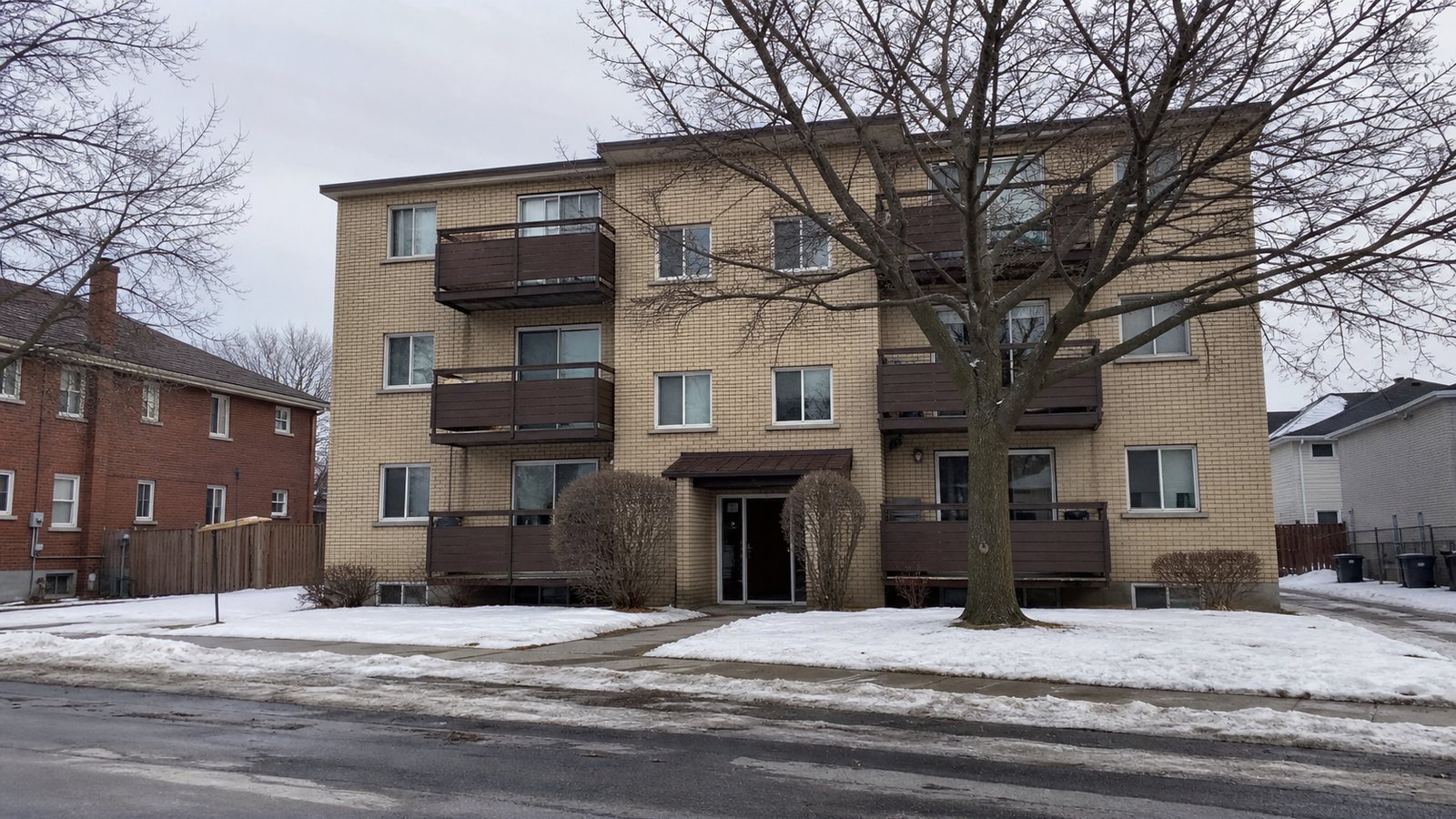
Duplex, triplex and multi-unit in Ottawa — and the house hacking argument
Buying a duplex in Ottawa changes the financing more than the price does. An owner-occupied duplex, triplex or fourplex is financed close to how a house is; the same building bought purely to rent is not. Where the four-unit line sits, why the fifth unit changes everything, what house hacking really costs, and the fire separation question that decides the budget.
By Ottawa Property Guide EditorialPublished August 1, 2026 Last verified August 1, 2026
Buying a duplex in Ottawa is not the same as buying a house with an extra kitchen. Once a property contains more than one dwelling unit, the financing rules, the insurance, the tax treatment and your legal obligations all change — and they change again at a threshold most buyers have never heard of.
The useful thing is that the thresholds are specific and public, so you can work out which side of each one your plan sits on before you start looking.
Multi-unit financing: where the lines are — one to four units, then five
Canada's mortgage insurance system draws a hard line at four units. Up to four, a property can sit inside the homeowner programme — the same machinery that finances an ordinary house, with down payment minimums set by unit count. At five, it leaves that world entirely: CMHC's multi-unit insurance requires a minimum of five units, and that is a different product, a different application, and generally a different kind of borrower.
So a fourplex and a fiveplex are not neighbouring rungs on a ladder. They are two different asset classes, financed by different departments, and the step between them is much larger than the step from three units to four. Anyone planning to grow into multi-unit should know where that cliff is before buying the thing immediately below it.
House hacking: what living in one unit actually buys you
Every figure in the table above is for a property the owner occupies — an owner-occupied duplex, triplex or fourplex. That qualifier is the whole strategy.
Buy a duplex you will live in half of, and it is financed on essentially the same terms as a house. Buy the identical duplex purely to rent out, and it falls outside the insured homeowner programme and needs a conventional mortgage — a substantially larger deposit for exactly the same building. For a triplex or fourplex, occupying one unit brings you in at ten per cent, which is a fraction of what the same property demands as a pure investment.
That is the honest arithmetic behind house hacking, and it is genuinely the most accessible route into Ottawa property investment for someone who does not already have a large deposit. It is also the route most likely to be described online as easy, so here is the other side.
You live at work. Your tenants are on the other side of the wall, and they know where you are when the heating fails at eleven at night. Some people find this fine and some find it intolerable, and it is worth being honest with yourself in advance.
Your home decisions become business decisions. What you renovate, when you are away, who you rent to, and how tolerant you can afford to be are all now financial questions.
Selling later is a narrower market. You bought from the small pool of people who want a duplex; you will sell into it too.
Moving out changes things. The occupancy that got you the financing was a condition of it, and when you stop living there the tax position of the property changes as well. Both are worth understanding before you plan the exit.
Converting a house into apartments, or buying one already converted
There are two routes to a multi-unit property in Ottawa and they carry different risks.
Buying something already converted is faster and the units are already producing income. The risk is that you are inheriting someone else's work, and possibly someone else's shortcuts. Ask for the building permits. An existing unit without them is not a saving — it is an unpermitted unit whose problems become yours at closing, and it can affect your insurance, your financing and your ability to sell.
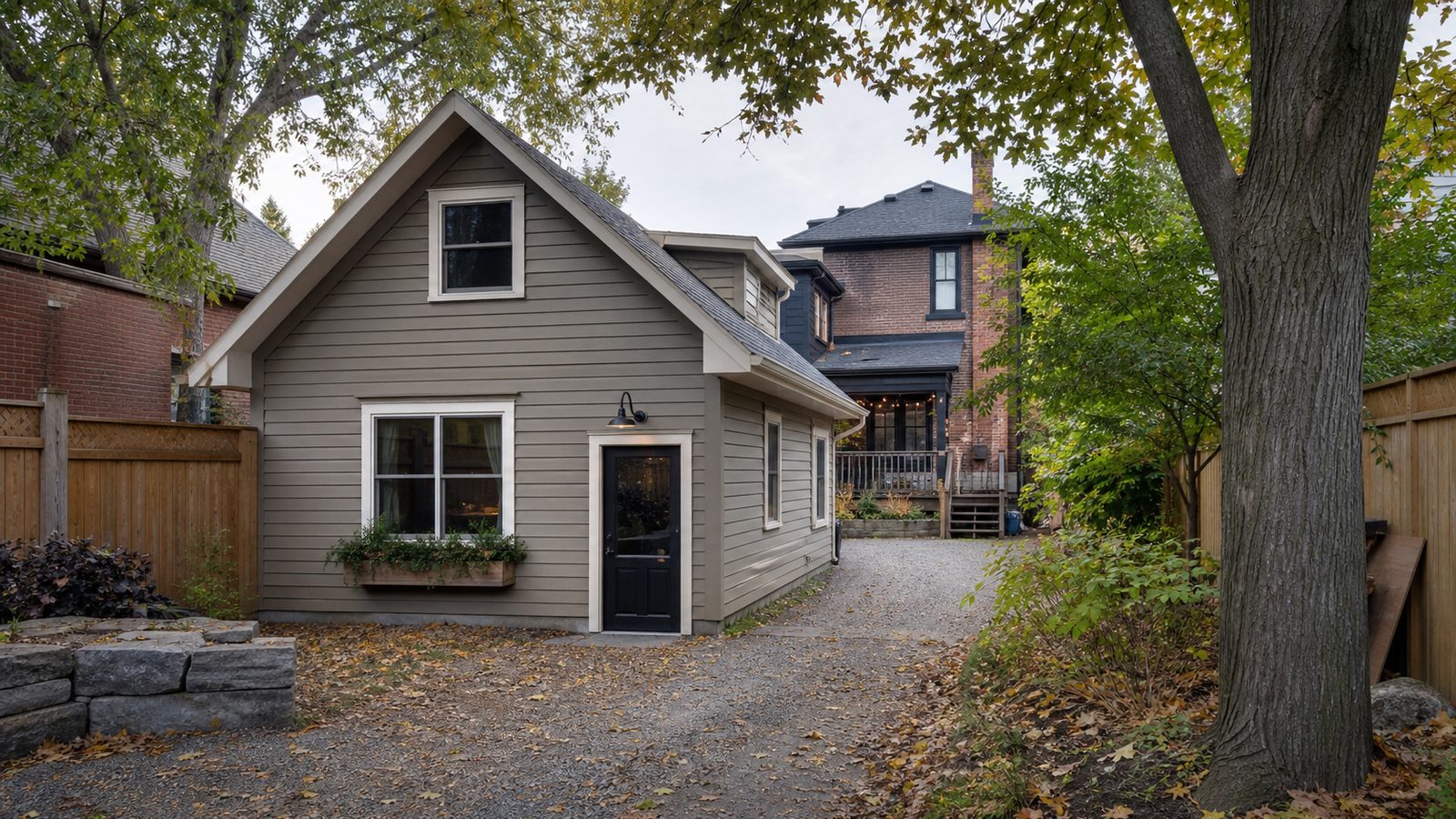
Converting yourself means you control the quality and the permits, at the cost of time and capital before any rent arrives. Ottawa's rules are more generous than most people assume — a lot with a principal dwelling may have up to two additional units, three in total — but servicing caps it: municipal water and wastewater allows two additional units, while a property on septic or a well is limited to one. The full rules, including who is allowed to design the work, are in secondary dwelling units, basement apartments and coach houses.
In both cases, check what the zoning permits before you rely on any of it. Ottawa currently has two zoning by-laws in effect at once, with the most restrictive provisions of the two applying — which is exactly the kind of detail that turns a three-unit plan into a two-unit one.
What to check in a multi-unit building specifically
Run the building's actual numbers before any of that. The rental cash flow and cap rate calculator takes the rents, the mortgage and the operating costs and returns the three figures that matter separately — cap rate, monthly cash flow and cash-on-cash return. A multi-unit building with one unit vacant is the case worth testing.
And once it is yours and tenanted, the obligations are real and enforceable — the lease, the rent rules, repairs and the process for ending a tenancy. That is becoming a landlord in Ottawa, and it is the part that decides whether this was a good idea.
An Ottawa income property is an operating business that happens to be a building. Buying a rental property changes the financing, the tax treatment and what you must budget for — and the number that decides whether it works is not the purchase price. What to run before you shortlist, and what makes a property a poor rental at any price.
An in-law suite, a granny flat, a garden suite, a basement apartment — an Ottawa lot with a principal dwelling may have up to two additional dwelling units, three in total, but how many you actually get depends on your servicing rather than your ambition. What makes a legal basement apartment, why a septic system caps you at one, and why converting an existing basement still needs a permit.
Ontario landlording is a regulated business wearing a side-hustle costume. Your landlord obligations from day one: whether the unit is legal, screening tenants inside the rules, the standard lease, how rent increases really work, maintenance, notice of entry, and how a tenancy lawfully ends.
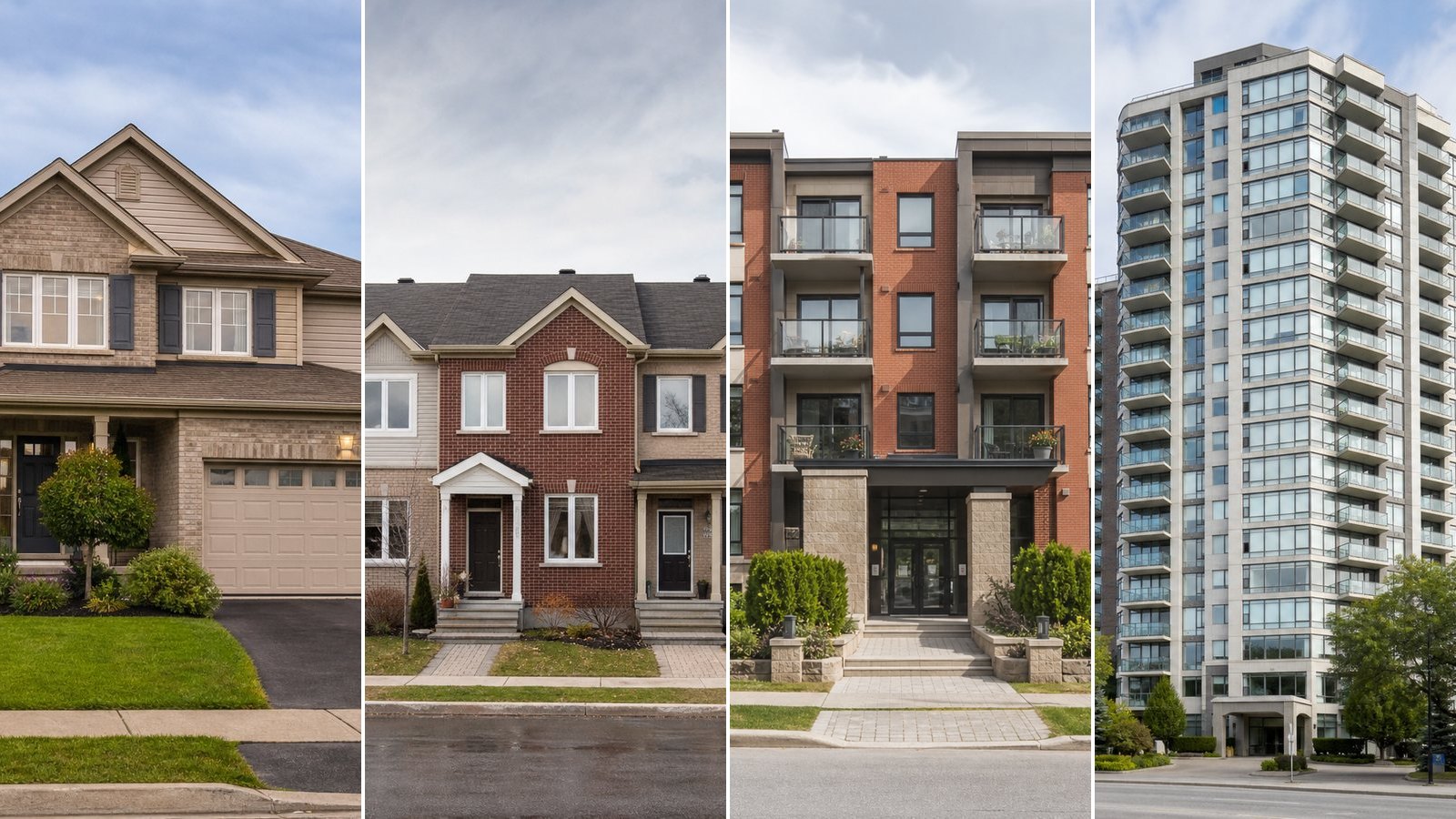
Detached, semi, townhouse, stacked town, condo, apartment — listing sites assume you already know what these words mean and what they commit you to. Here's the plain-language version: what each type looks like, how the ownership works, and the trade-offs that actually shape daily life. What is a semi, how a town home differs from a stacked one, and the freehold vs condo distinction that matters more than the shape of the building.
July 22, 2026
Get Ottawa property guidance in your inbox
You'll get: First-time buying explainers · Selling guidance · New-build and builder updates · Neighbourhood guides · Renting and ownership costs · Local market context.
Occasional emails. No spam, and you can unsubscribe with one click. By subscribing you consent to receive emails from Ottawa Property Guide. We record the date and source of your consent, as Canadian anti-spam law (CASL) requires. Read our privacy policy.