Content series

Before You Buy

Practical explainers on the decisions and checks that come before an Ottawa purchase.

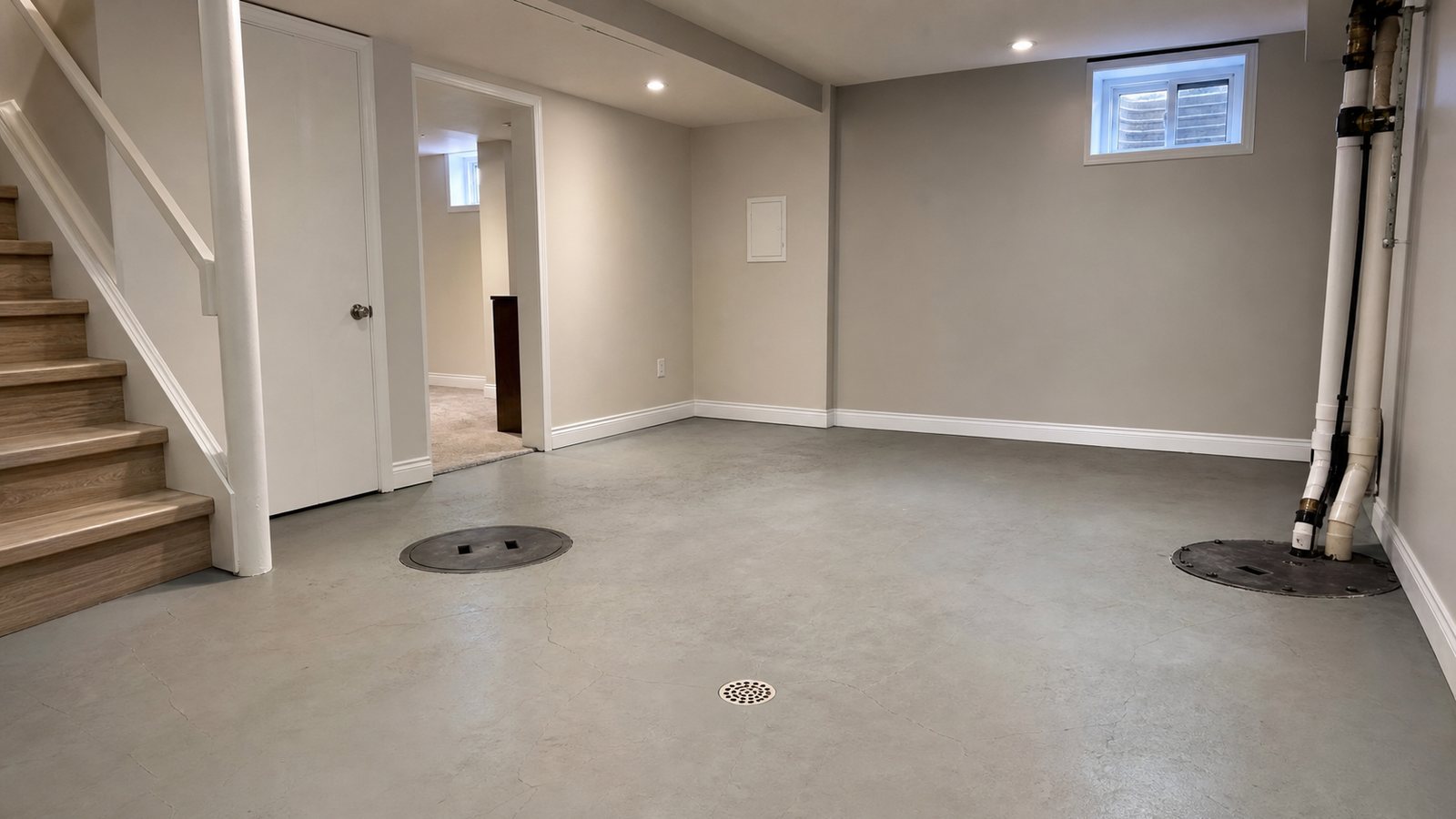
A sump pit and floor drain in an Ottawa basement

Basement water in Ottawa — seepage, overland flooding and sewer backup

Three different problems get called a wet basement, they have different causes, different fixes and different insurance, and telling them apart is most of the work. What to look for at a viewing, and the City of Ottawa rebates that pay a large share of the fix — up to $3,000 for a sump pump and $2,500 for an outdoor storm backwater valve.

August 1, 2026
An Ottawa street in winter with a for-sale sign in the snow

Buying a house in winter in Ottawa — what you gain and what you cannot see

Ottawa's winter market is thinner in both directions: fewer listings, and fewer buyers competing for them. That can work in your favour. What does not is that snow hides the roof, the grading and the driveway, frozen ground says nothing about spring drainage, and some systems cannot be tested at all. How to buy well in February.

August 1, 2026
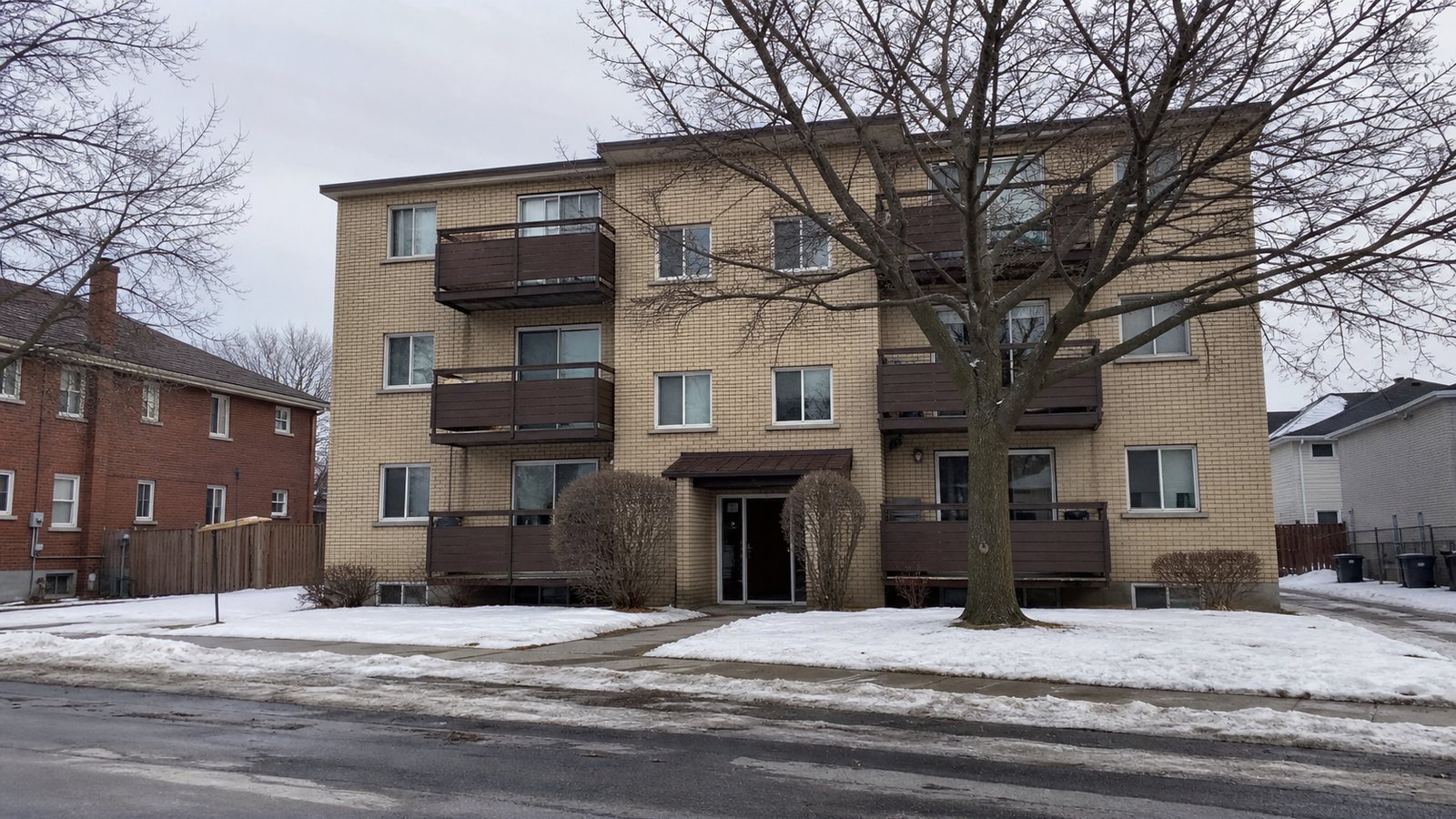
A small Ottawa rental property from the street

Buying an investment property in Ottawa — the arithmetic before the property

An Ottawa income property is an operating business that happens to be a building. Buying a rental property changes the financing, the tax treatment and what you must budget for — and the number that decides whether it works is not the purchase price. What to run before you shortlist, and what makes a property a poor rental at any price.

August 1, 2026
A buyer reading a representation agreement at a kitchen table

How to choose a buyer's agent in Ottawa — and what you sign before they show you anything

Choosing a buyers agent is not the same problem as choosing a listing agent. You are picking someone who will tell you what to pay, and signing a buyer representation agreement that decides what you owe them — including if the seller offers nothing towards it. The questions to ask a buyer's agent, what to check first, and what to read before you sign.

August 1, 2026
An Ottawa duplex showing two separate front entrances

Duplex, triplex and multi-unit in Ottawa — and the house hacking argument

Buying a duplex in Ottawa changes the financing more than the price does. An owner-occupied duplex, triplex or fourplex is financed close to how a house is; the same building bought purely to rent is not. Where the four-unit line sits, why the fifth unit changes everything, what house hacking really costs, and the fire separation question that decides the budget.

August 1, 2026
A mortgage renewal letter on a kitchen table

Fixed or variable, renewing, and what it costs to break a mortgage

Three mortgage decisions that arrive years apart and are usually made in a hurry. What a fixed or variable rate actually buys you, why renewal is the moment most owners quietly give away money — including a 2024 rule change that made switching lenders easier — and how a prepayment penalty and the interest rate differential are calculated, before you need to know.

August 1, 2026 Updated August 1, 2026
An insurance quote and an inspection report on a kitchen table

Insuring a house with problems — the condition that closes the deal, or doesn't

No lender funds a purchase without insurance in place, so an insurer's opinion of the house is a closing condition whether you treated it as one or not. Insurance for an older home turns on knob and tube, an oil tank, a flooded basement and a previous owner's claims — and if you cannot get home insurance on that address, the deal does not close. What a home insurance refusal really means, and when to find out.

August 1, 2026
An offer document and a pen on a kitchen table at night

Making an offer in Ottawa — conditions, deposits, irrevocable dates and competing offers

An accepted offer is a binding contract, and most of what decides whether it goes well is settled before you sign it. Whether to make a conditional offer or a firm one, what an irrevocable date commits you to, where your deposit goes and the honest answer to can I get my deposit back, and exactly what you are entitled to be told when there are competing offers.

August 1, 2026
An Ottawa property tax bill on a kitchen table

Ottawa property taxes and how assessments work — including why yours says 2016

Your property tax bill is your MPAC assessed value multiplied by two rates. The part that confuses everyone is the assessed value: Ontario's province-wide reassessment has been postponed for years, so assessments for the 2026 tax year are still based on 1 January 2016 values. What that means, what to do if the figure looks wrong, and what else is on the bill.

August 1, 2026 Updated August 1, 2026
An Ottawa residential street with mixed building forms

Ottawa zoning: what you can build on your lot, and why two by-laws apply right now

Zoning decides what a property may be used for and what may be built on it — and in Ottawa there is a complication most people have not caught up with: two zoning by-laws are in effect at once, and the most restrictive provision of the two applies. How to check what your property is zoned, what the codes control, and what to do when your plan does not comply.

August 1, 2026 Updated August 1, 2026
The Ottawa River seen from a bridge, both shorelines visible

Relocating to Ottawa — from another province, within the NCR, or across the river to Gatineau

Three different moves get called relocating to Ottawa, and they have almost nothing in common. Arriving from another province means learning Ontario's closing costs. Moving across the river to Gatineau means changing province — a different tax, a notary instead of a lawyer, and a different everything else. And moving within the region is really a commute decision.

August 1, 2026
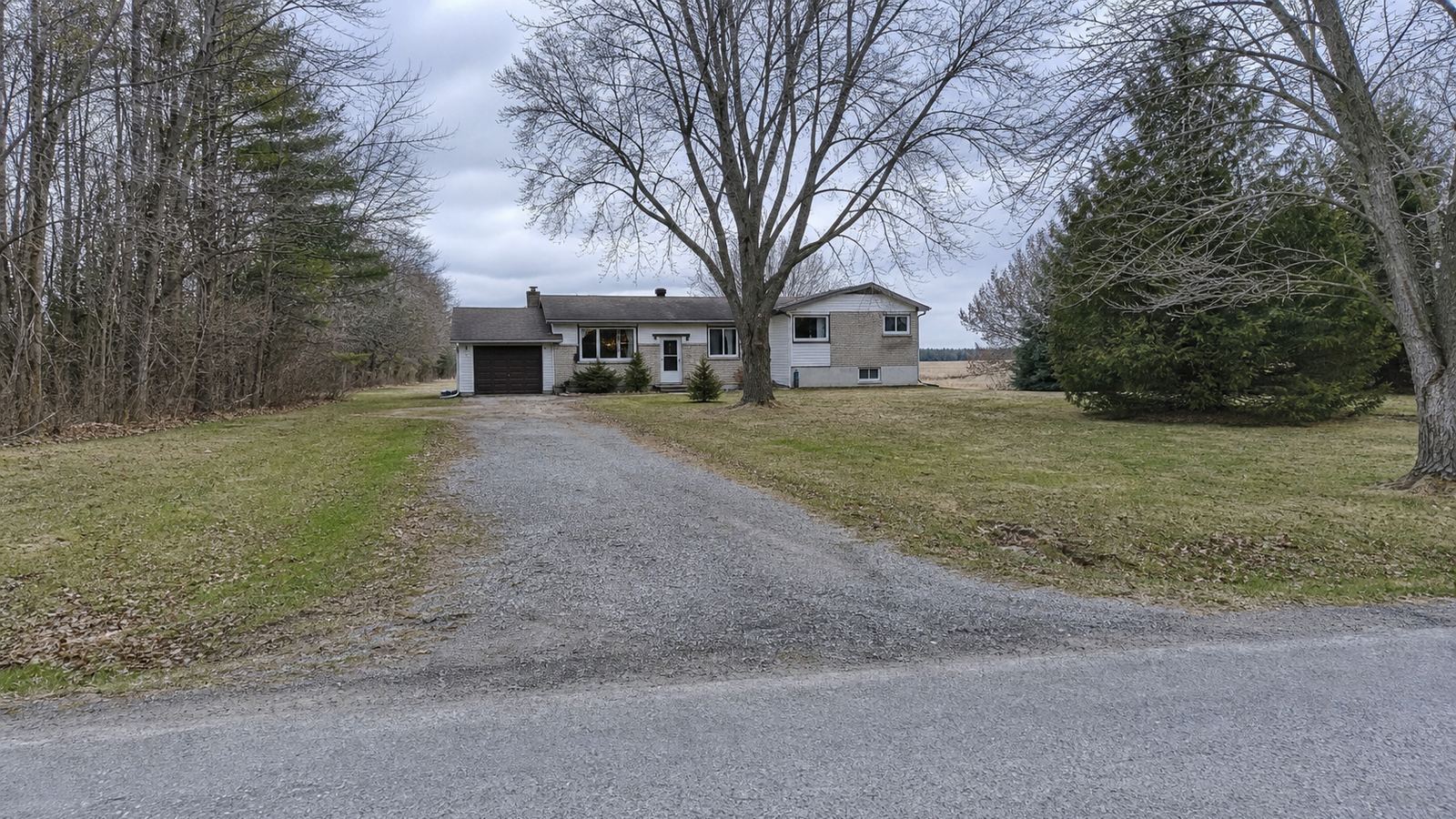
A rural Ottawa property set back from a gravel road

Buying rural property in Ottawa — wells, septic systems and private roads

Ottawa is mostly rural by area, and a country property replaces three things you never think about in the city: the water comes from your well, the waste goes into your septic system, and the road may belong to you and your neighbours. What to check before offering, who regulates what, and the free water testing most owners never use.

August 1, 2026
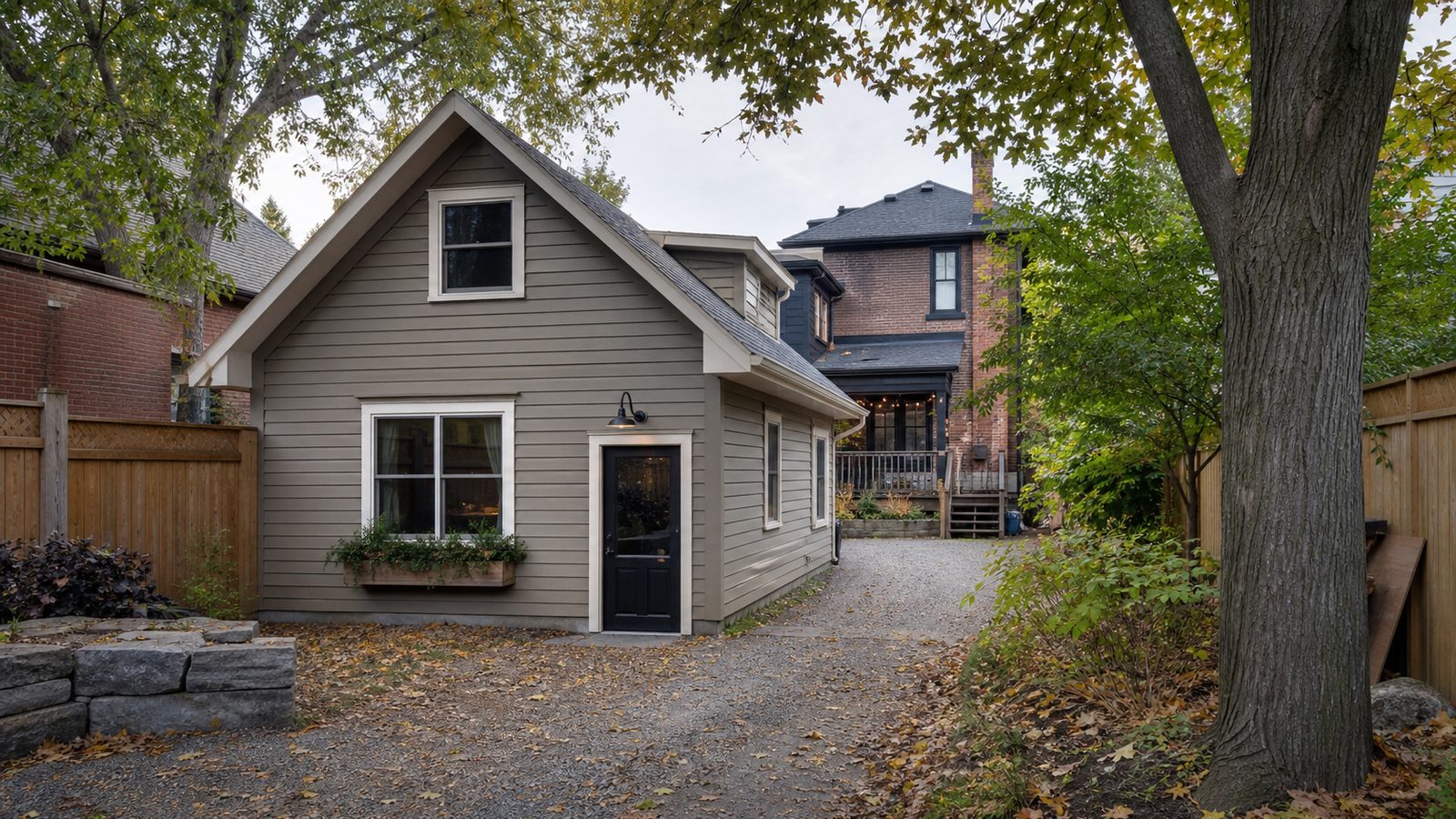
A coach house behind an older Ottawa home

Secondary dwelling units, basement apartments and coach houses in Ottawa

An in-law suite, a granny flat, a garden suite, a basement apartment — an Ottawa lot with a principal dwelling may have up to two additional dwelling units, three in total, but how many you actually get depends on your servicing rather than your ambition. What makes a legal basement apartment, why a septic system caps you at one, and why converting an existing basement still needs a permit.

August 1, 2026 Updated August 1, 2026
A closing file and title documents on a lawyer's desk

Title insurance and what your lawyer does — the part of the purchase you never see

Between an accepted offer and the keys, a real estate lawyer does work you will never watch: searching the title, finding liens nobody mentioned, and arranging title insurance. What title insurance covers for its one-time premium, the exclusions that matter — including renovations done without permits — and why it is not a substitute for a survey.

August 1, 2026
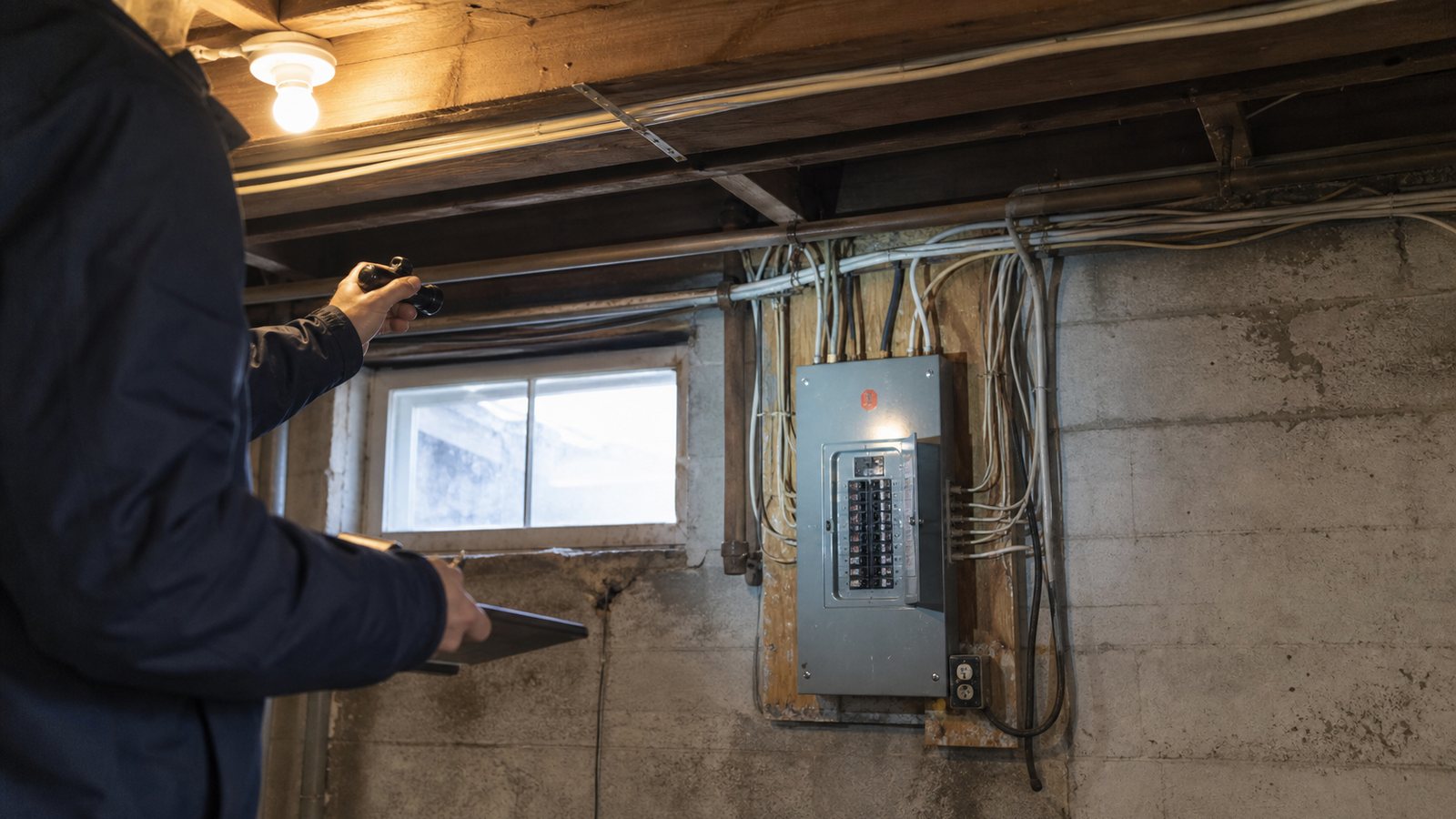
The basement of an older Ottawa home during an inspection

What to check in an older Ottawa home — radon, wiring, asbestos and the rest

Older Ottawa homes carry a short list of specific, findable problems: radon, knob and tube or aluminum wiring, vermiculite insulation, galvanized or lead plumbing, and a buried oil tank. None of them is a reason to walk away on its own. All of them are reasons to write a condition rather than waive one.

August 1, 2026
First-time buyers working through mortgage paperwork at a kitchen table

First-time buyer in Ottawa: who benefits from the advice you're given

First-time buyers get more advice than anyone else in the market, and almost all of it comes from someone with a stake in the outcome. Why your pre-approval maximum is not the answer to how much can I afford, what first time buyer incentives actually require of you, and who gains when you waive inspection.

July 31, 2026
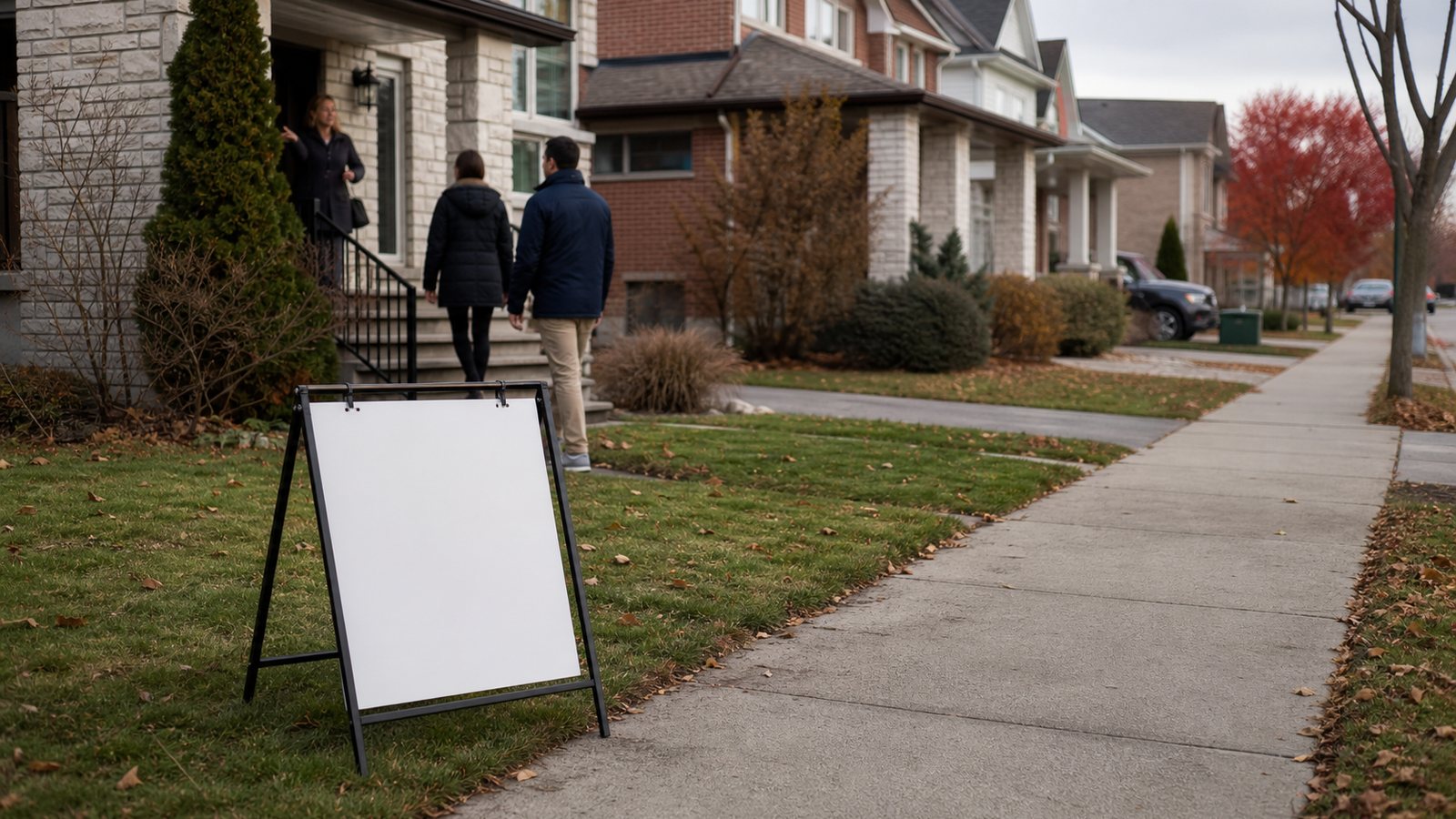
An open house on an Ottawa residential street

Who pays the buyer's agent? Who works for you when you buy in Ottawa

Does the realtor work for me? Every person in a purchase is paid by someone, and it is rarely the person they are standing next to. How real estate commission flows, what buyer representation and multiple representation actually mean, who the open house agent works for, how a mortgage broker is paid, and why the appraisal is for the lender.

July 31, 2026
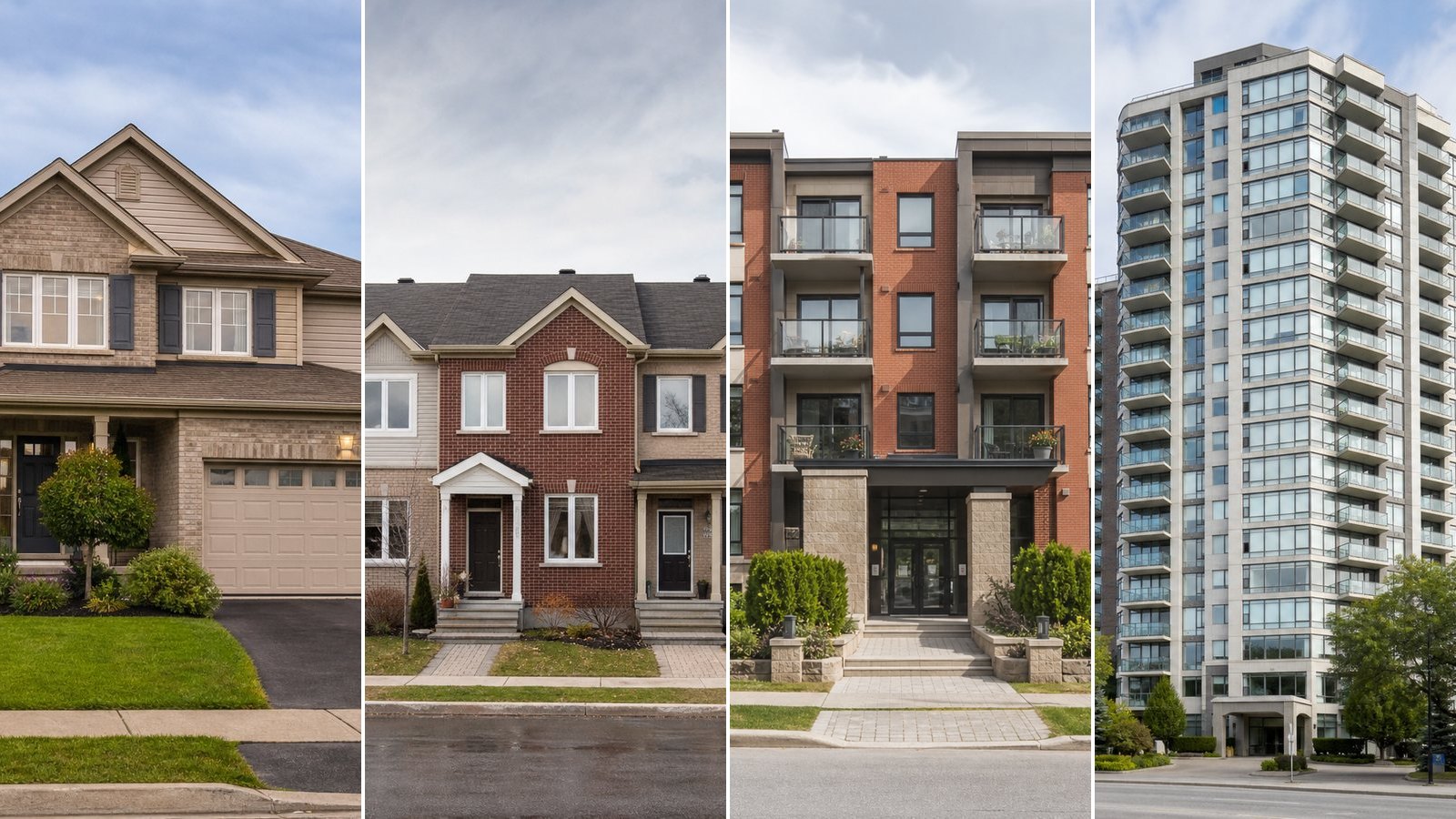
Four housing types side by side: a detached house, a townhouse row, a low-rise condo building and a high-rise tower

Ottawa housing types explained — what each one is, and what owning it is really like

Detached, semi, townhouse, stacked town, condo, apartment — listing sites assume you already know what these words mean and what they commit you to. Here's the plain-language version: what each type looks like, how the ownership works, and the trade-offs that actually shape daily life. What is a semi, how a town home differs from a stacked one, and the freehold vs condo distinction that matters more than the shape of the building.

July 22, 2026
Technician testing an electrical panel with a multimeter

What a home inspection actually covers in Ottawa — and what it doesn't

What does an inspection cover? A few hundred dollars of clarity on a several-hundred-thousand-dollar decision. What Ottawa inspectors typically look at, what they don't, what the inspection cost buys, and how the deficiencies they find fit a conditional-on-inspection offer.

July 22, 2026