
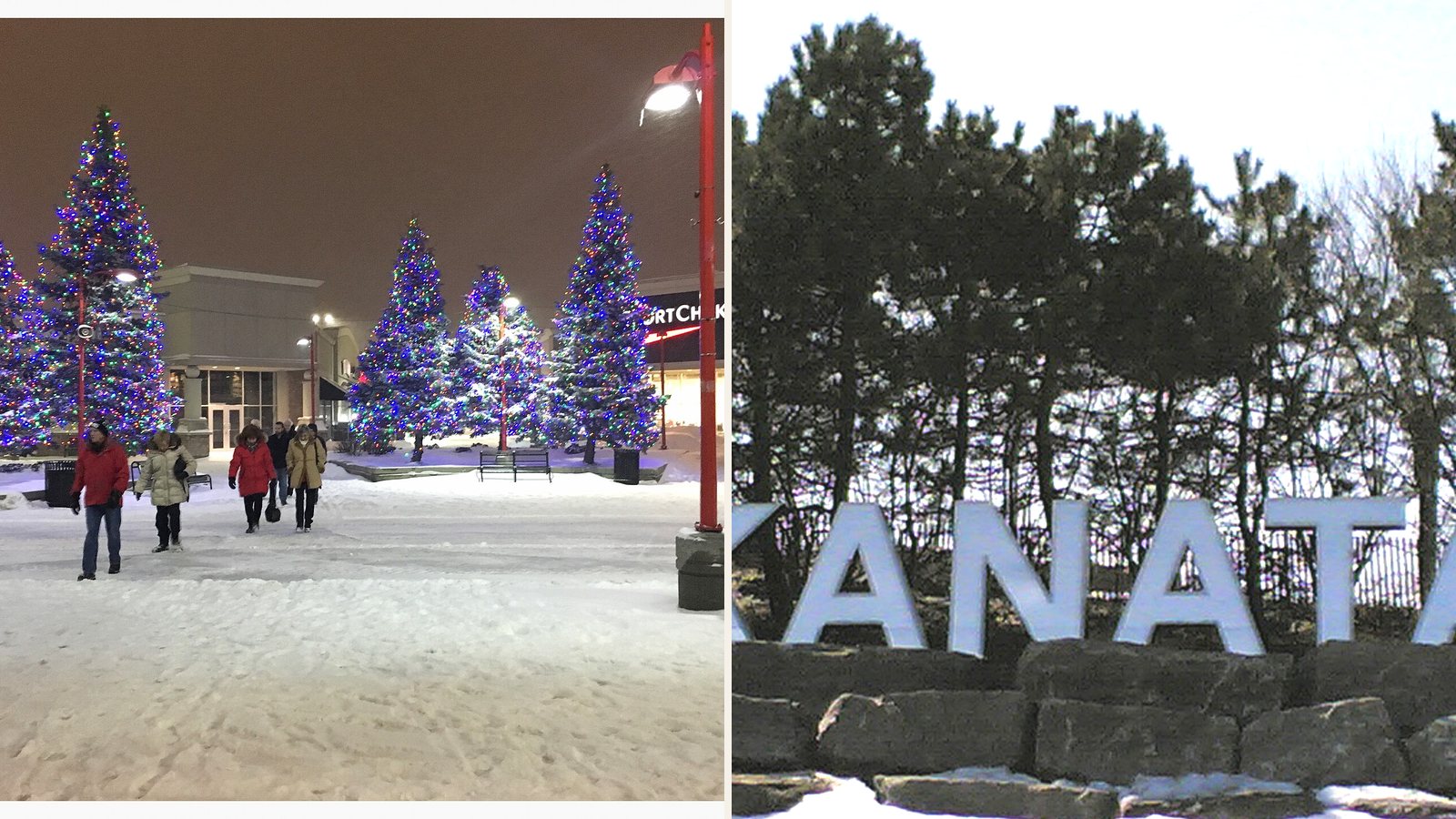
Kanata
Ottawa's west-end tech suburb — planned communities around the Kanata North business park, family subdivisions, trails and ponds, and a location that shortens tech commutes while lengthening downtown ones.
Neighbourhood guide · Suburban Ottawa
A village in Ottawa's rural west with a real main street, a working fairground and a Cold War bunker — close enough to Kanata's employment belt to be a commute, far enough out to still be countryside.
Last reviewed August 3, 2026 · Assessments of neighbourhood character are editorial opinions based on local knowledge, not measured data.
Housing you'll find here: Detached · Semi-detached — each links to what that type is and its trade-offs.
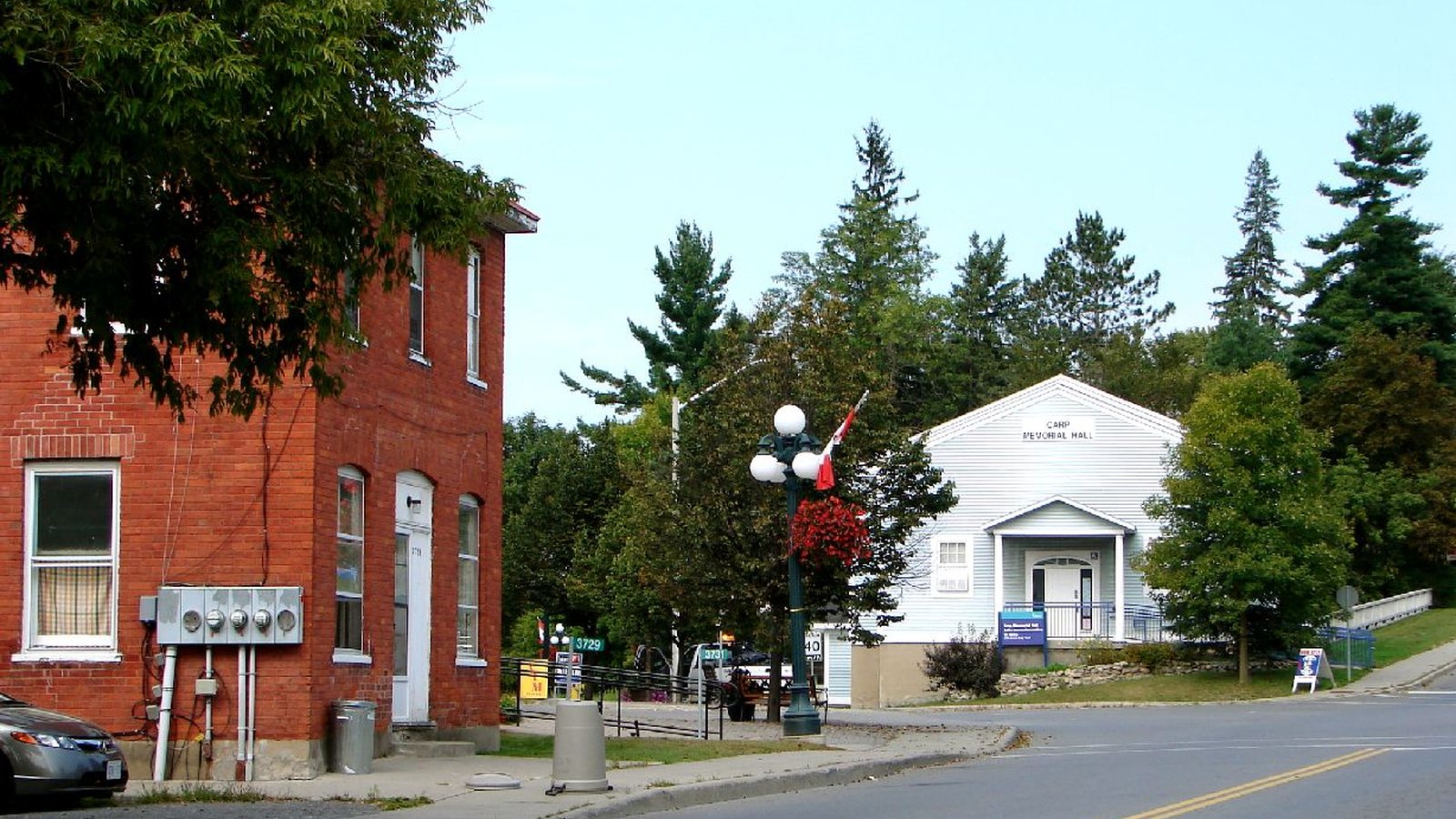
Carp is a village inside the City of Ottawa's boundary but well outside its built-up area, in the former West Carleton township about 30 kilometres from downtown. Amalgamation made it part of Ottawa; geography did not.
It is genuinely a village rather than a suburb with a village theme — it has its own main street, its own fair, and a surrounding agricultural landscape that is still farmed. New building here happens at the edges and in small numbers, which is a different proposition from buying into a planned community.
The village sits north of Highway 417 along Carp Road, with the Carp Ridge to the west and farmland in every other direction. Kanata's tech employment and retail are roughly fifteen minutes southeast; Almonte and Arnprior are the next towns out.
The Carp Road corridor between the village and the 417 is a distinct thing worth knowing about: it is the area's light-industrial and commercial spine, and it does not look or feel like the village itself.
A mix that has almost nothing in common with Ottawa's suburbs: older village housing on generous lots around the core, country properties on acreage beyond it, and a modest amount of newer building at the village edge.
Rural property is a different purchase. Wells, septic systems, private roads and rural servicing all change what due diligence means, and none of them appear in a standard suburban transaction. Anyone looking here should read the rural-property guide before making an offer, not after.
Village life, with the Carp Fair as its anchor event and a main street that supports independent businesses, a farmers' market and the surrounding agricultural community. The Diefenbunker — Canada's Cold War museum, built into the ground here — is the other landmark.
This is one of the few places in this guide where walkability is real, though it is village walkability: a short main street, not an urban one. Everything beyond it is a drive.
Transit is limited rural service. In practice Carp is a car-dependent location and should be assessed as one — a household here will drive for work, school runs and almost every errand.
The 417 is the main connection, which makes Kanata straightforward and downtown a long trip. Winter adds meaningfully to both.
The village has local schooling, with secondary options in the wider West Carleton and Kanata catchments. Rural catchments cover large areas and busing is normal.
Countryside is the amenity here — the Carp Ridge, conservation land, trails and the agricultural landscape itself. Green space is not a planned park allocation; it is what the village sits in.
Day-to-day shopping is on the main street and the Carp Road corridor, with anything larger in Kanata. This is an area where the weekly shop is a planned trip rather than an errand.
Rural ownership carries costs and responsibilities that suburban ownership does not: well water testing, septic maintenance and pumping, private road agreements where they apply, and longer service response times. None of these are drawbacks exactly, but all of them are commitments.
Insurance and financing can also differ on rural and acreage properties. Confirm both early rather than assuming a suburban quote transfers.
Each entry reflects the builder's own website on the date shown — availability changes quickly, so confirm with the builder. See the full builder directory →
Ottawa's west-end tech suburb — planned communities around the Kanata North business park, family subdivisions, trails and ponds, and a location that shortens tech commutes while lengthening downtown ones.
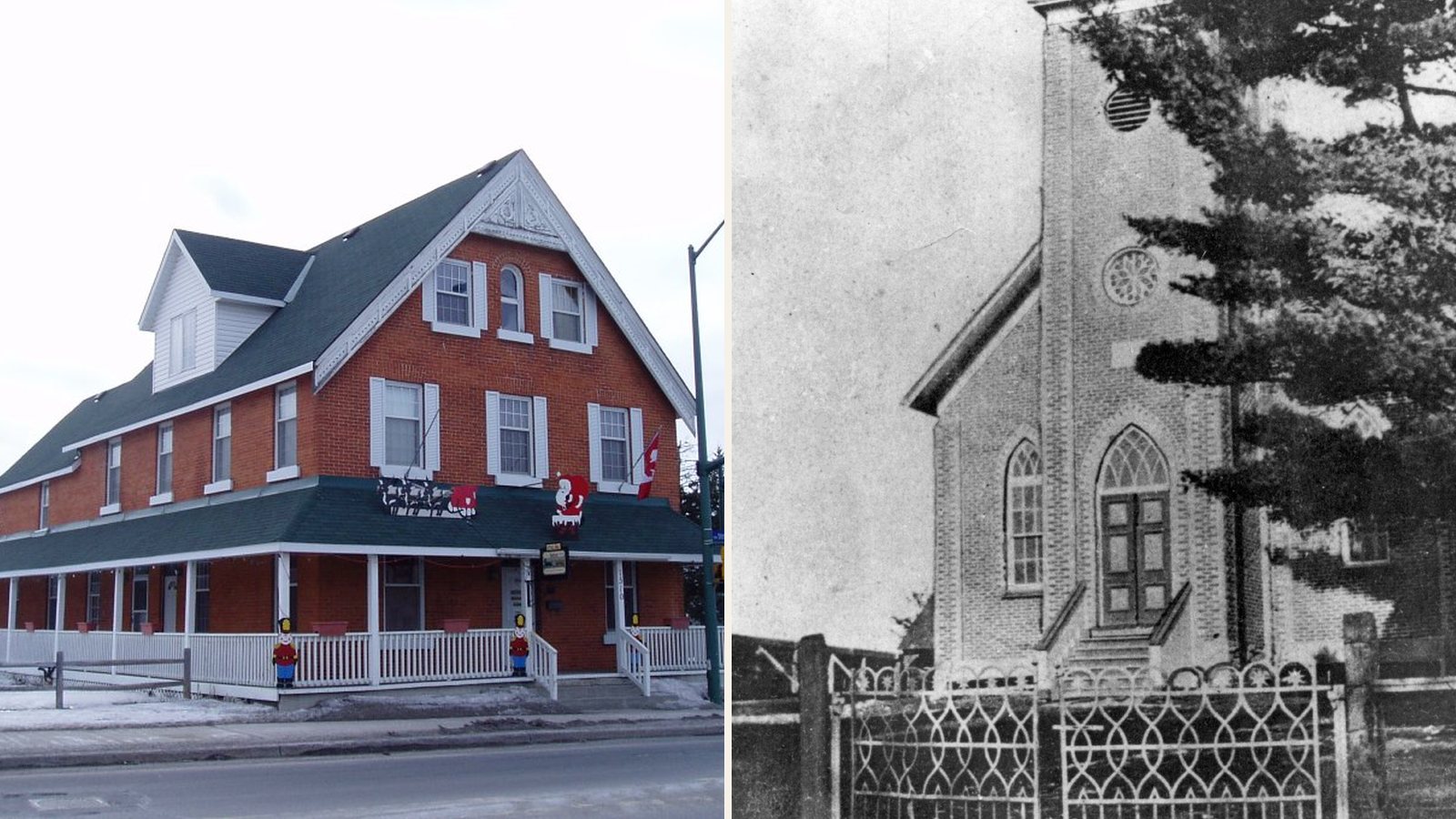
A former village at Ottawa's far western edge, beyond Kanata — new-build family streets around an old Main Street core, trail access, small-town texture, and real distance from everything downtown.
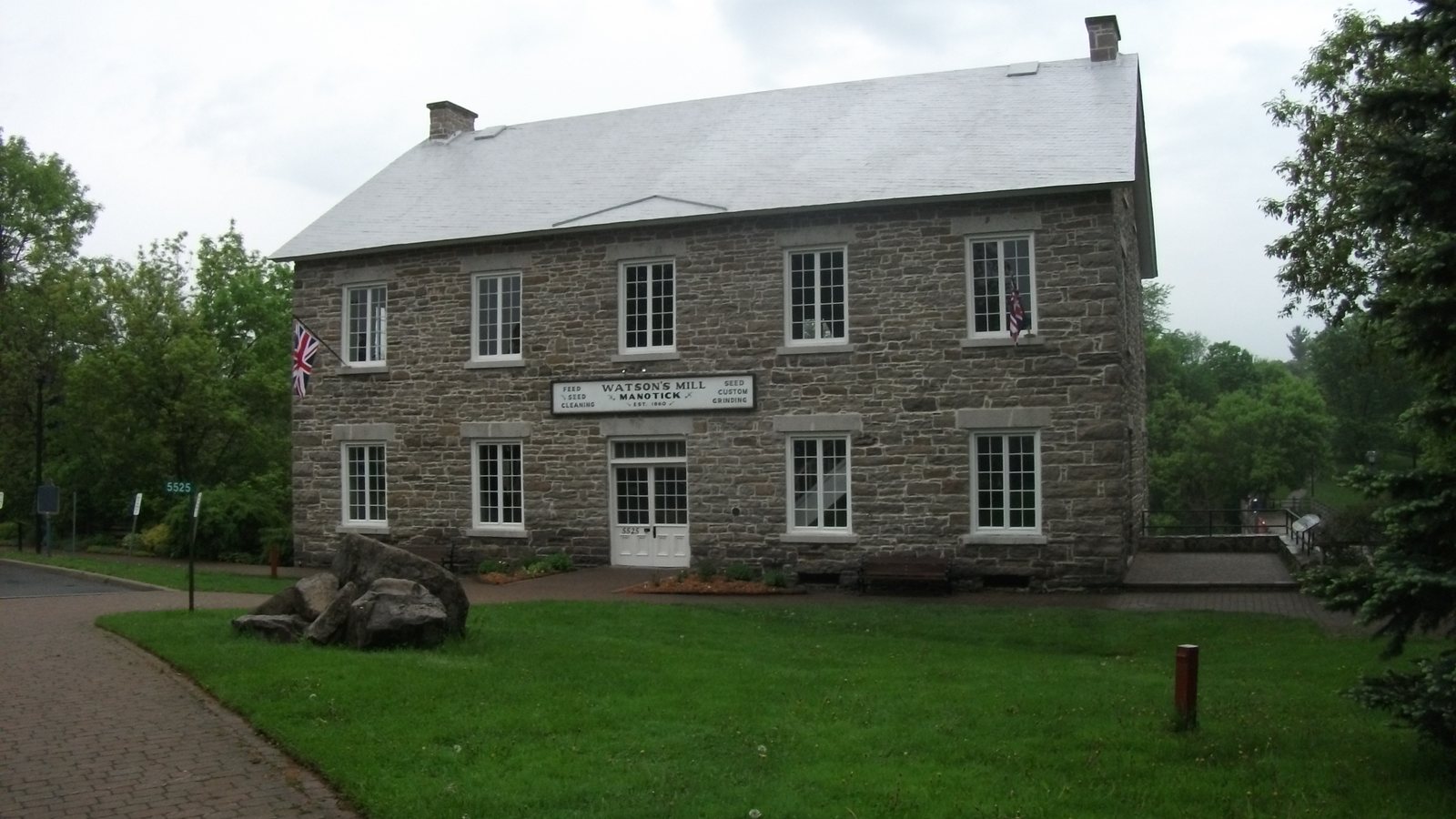
A historic Rideau River village in Ottawa's south, built around a working nineteenth-century mill, with estate lots and newer subdivisions filling in around a core that has kept its character.
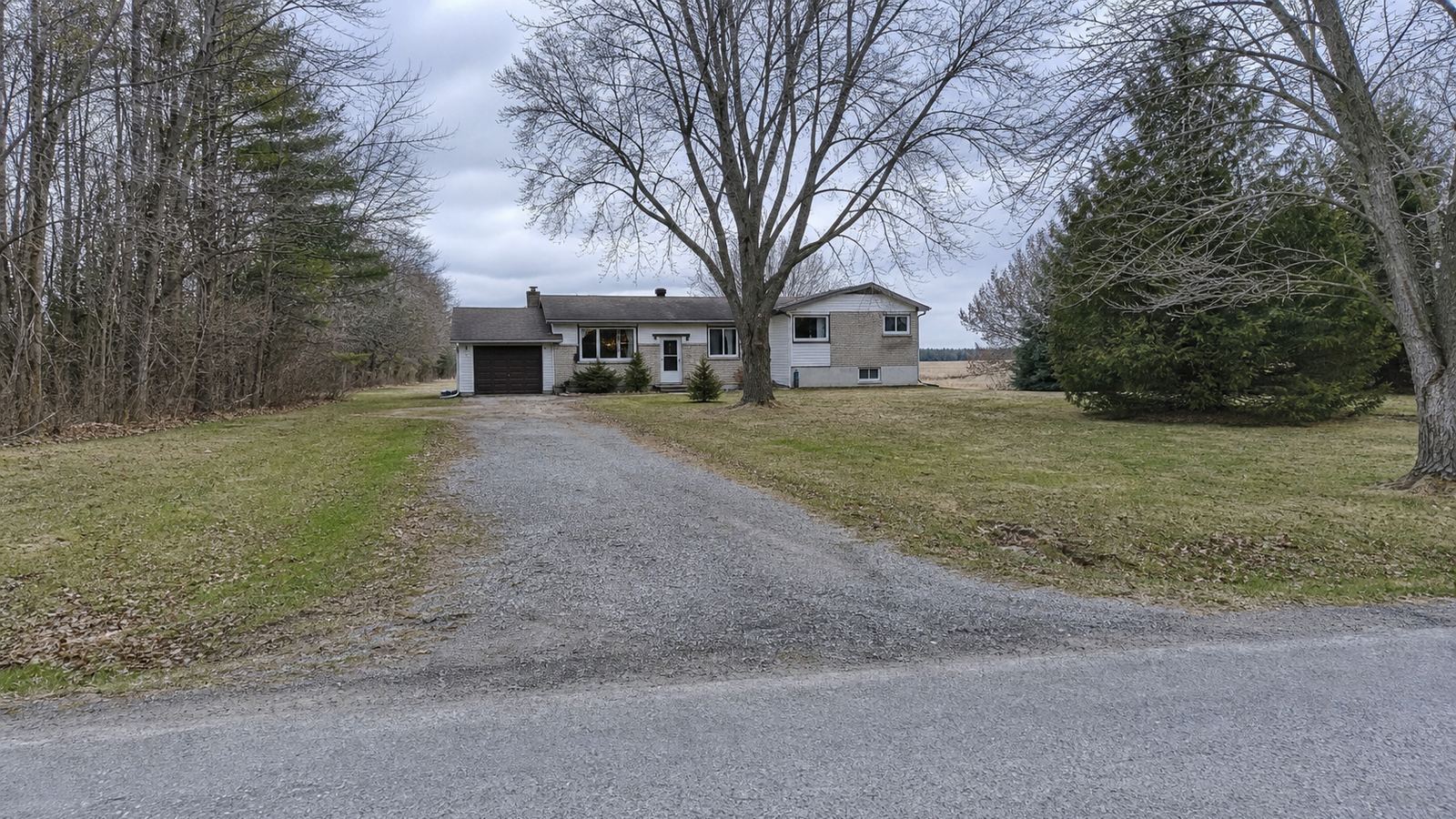
Ottawa is mostly rural by area, and a country property replaces three things you never think about in the city: the water comes from your well, the waste goes into your septic system, and the road may belong to you and your neighbours. What to check before offering, who regulates what, and the free water testing most owners never use.
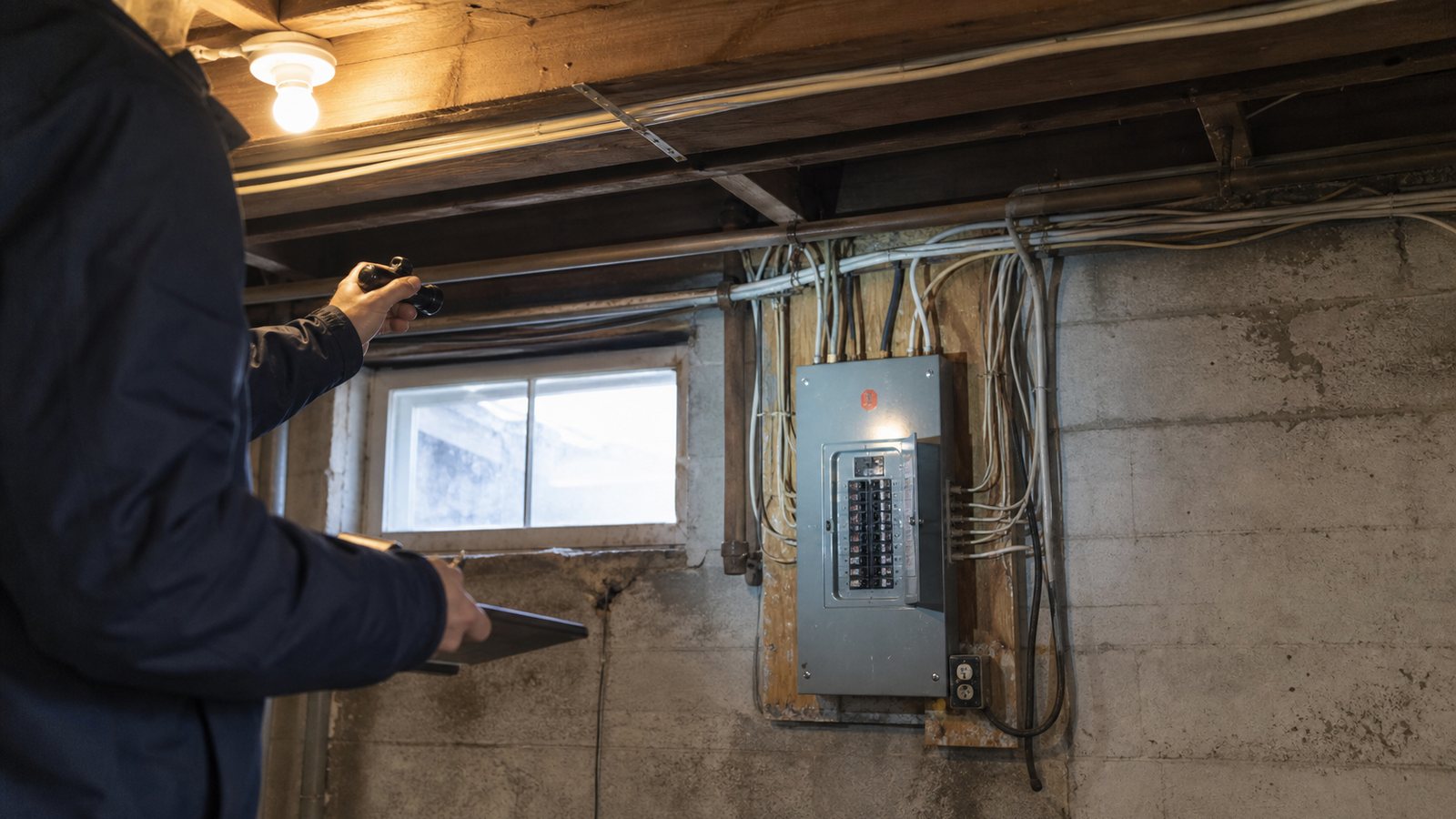
Older Ottawa homes carry a short list of specific, findable problems: radon, knob and tube or aluminum wiring, vermiculite insulation, galvanized or lead plumbing, and a buried oil tank. None of them is a reason to walk away on its own. All of them are reasons to write a condition rather than waive one.
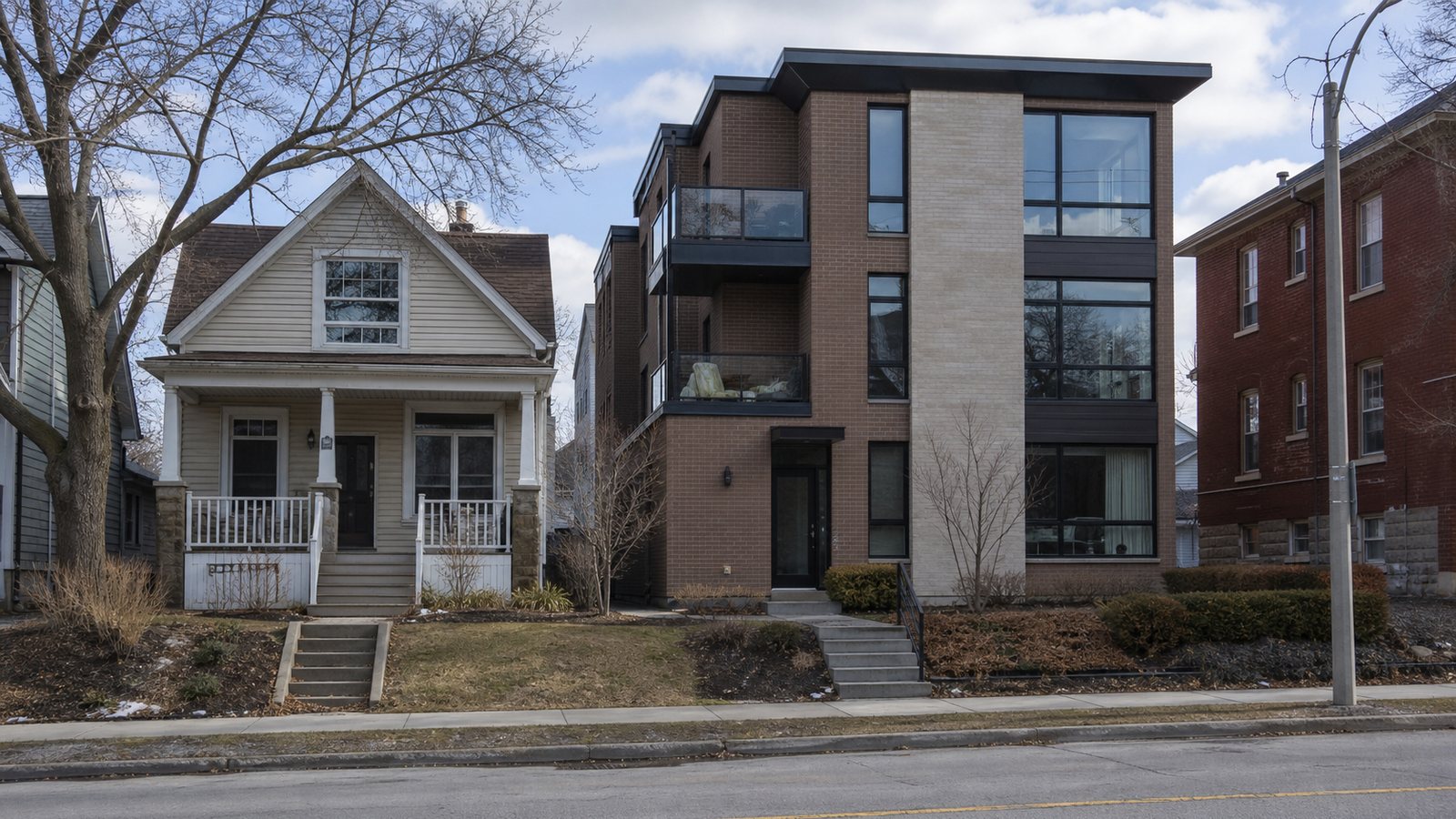
Zoning decides what a property may be used for and what may be built on it — and in Ottawa there is a complication most people have not caught up with: two zoning by-laws are in effect at once, and the most restrictive provision of the two applies. How to check what your property is zoned, what the codes control, and what to do when your plan does not comply.