Buying rural property in Ottawa — wells, septic systems and private roads
Ottawa is mostly rural by area, and a country property replaces three things you never think about in the city: the water comes from your well, the waste goes into your septic system, and the road may belong to you and your neighbours. What to check before offering, who regulates what, and the free water testing most owners never use.
By Ottawa Property Guide EditorialPublished August 1, 2026 Last verified August 1, 2026
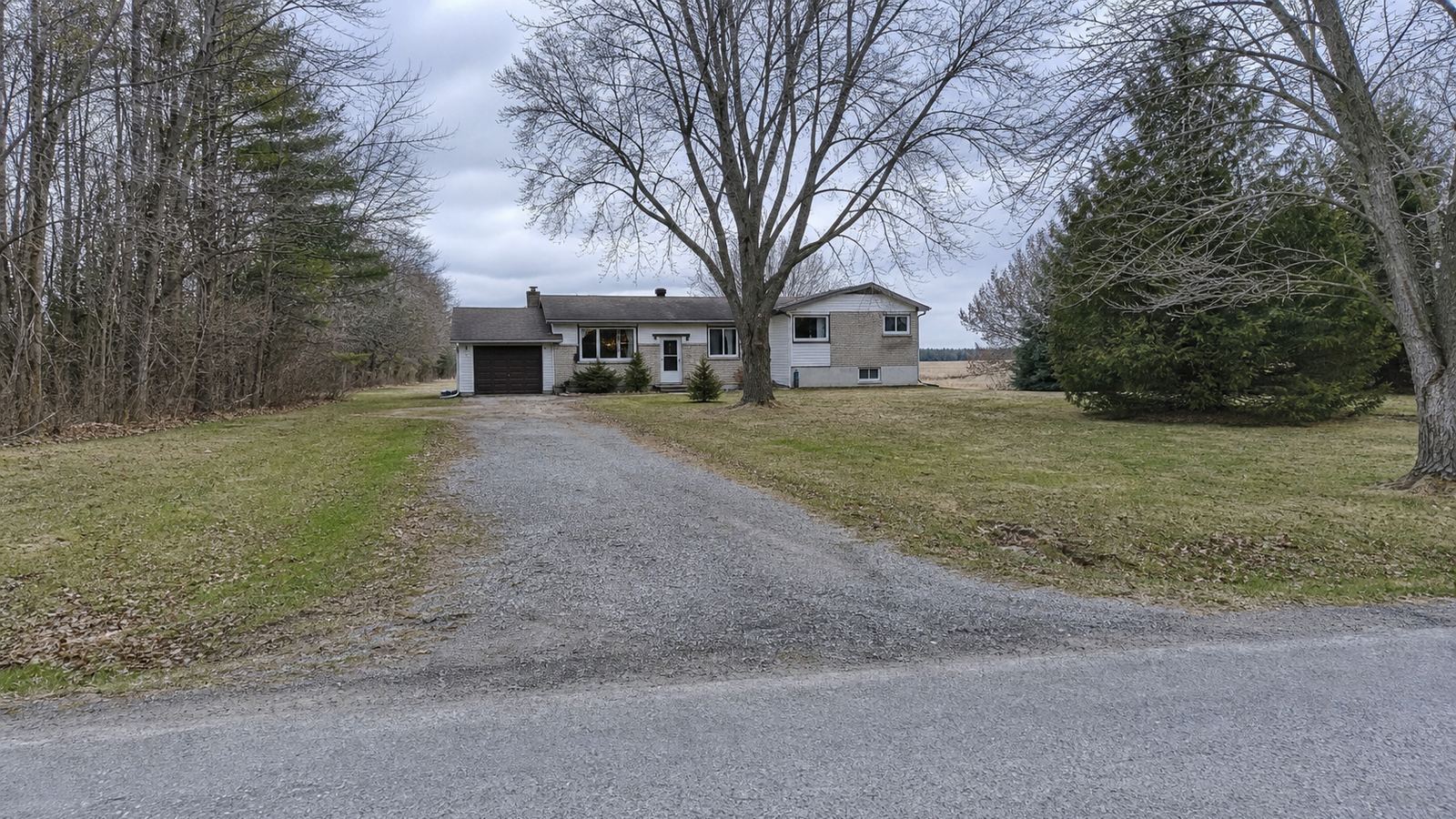
Most of Ottawa, by area, is rural. Beyond the greenbelt the city takes in villages, farmland and a great deal of country property, and a house out there is not a city house with a longer driveway. Three services you have never had to think about become yours: the water, the waste, and often the road.
None of that is a reason to avoid rural property. It is a reason to check different things, and the checks are specific enough to list.
The well: well water testing, and a supply that is now yours
On a rural property the well water comes from your own land, and nobody tests it for you. What to establish before offering: the type and depth of the well, when it was drilled, what the recovery rate is, and whether there is a well record. Quantity and quality are separate questions and a property can fail on either.
A well flow test, sometimes called a yield test, tells you whether the well can actually supply a household — the number that matters when a family of five replaces a couple. A water quality test tells you what is in it. Ask for recent results, and treat their absence as a reason to get your own rather than as reassurance.
Three times a year, free, is a genuinely good deal that a lot of rural owners never take up. Note that the free test covers bacteria. Anything else you might care about out here — nitrates, hardness, iron, sulphur, and in some areas arsenic or uranium occurring naturally in bedrock — is a separate, paid test through a licensed laboratory, and worth doing once when you buy so you know what you have.
The septic system: who approves it, and what that tells you
Waste goes into a septic system on the property, and the City is explicit that homeowners are responsible for maintaining their own septic systems. There is no utility to call.
Approval sits in a place people do not expect. The Ottawa Septic System Office of the Rideau Valley Conservation Authority co-ordinates the review and approval of any septic system installed, altered or repaired anywhere in Ottawa — the conservation authorities administer sewage system approvals under Part 8 of the Ontario Building Code on the City's behalf. So the paper trail for a septic system is not held where a buyer would instinctively look for it.
What to ask for: the permit and the certificate of completion for the existing system, its age and type, the size of the tank and the bed, when it was last pumped, and whether there are records of any repairs. A system approaching the end of its life is a five-figure replacement, and that is a negotiating number rather than a surprise if you find it in time.
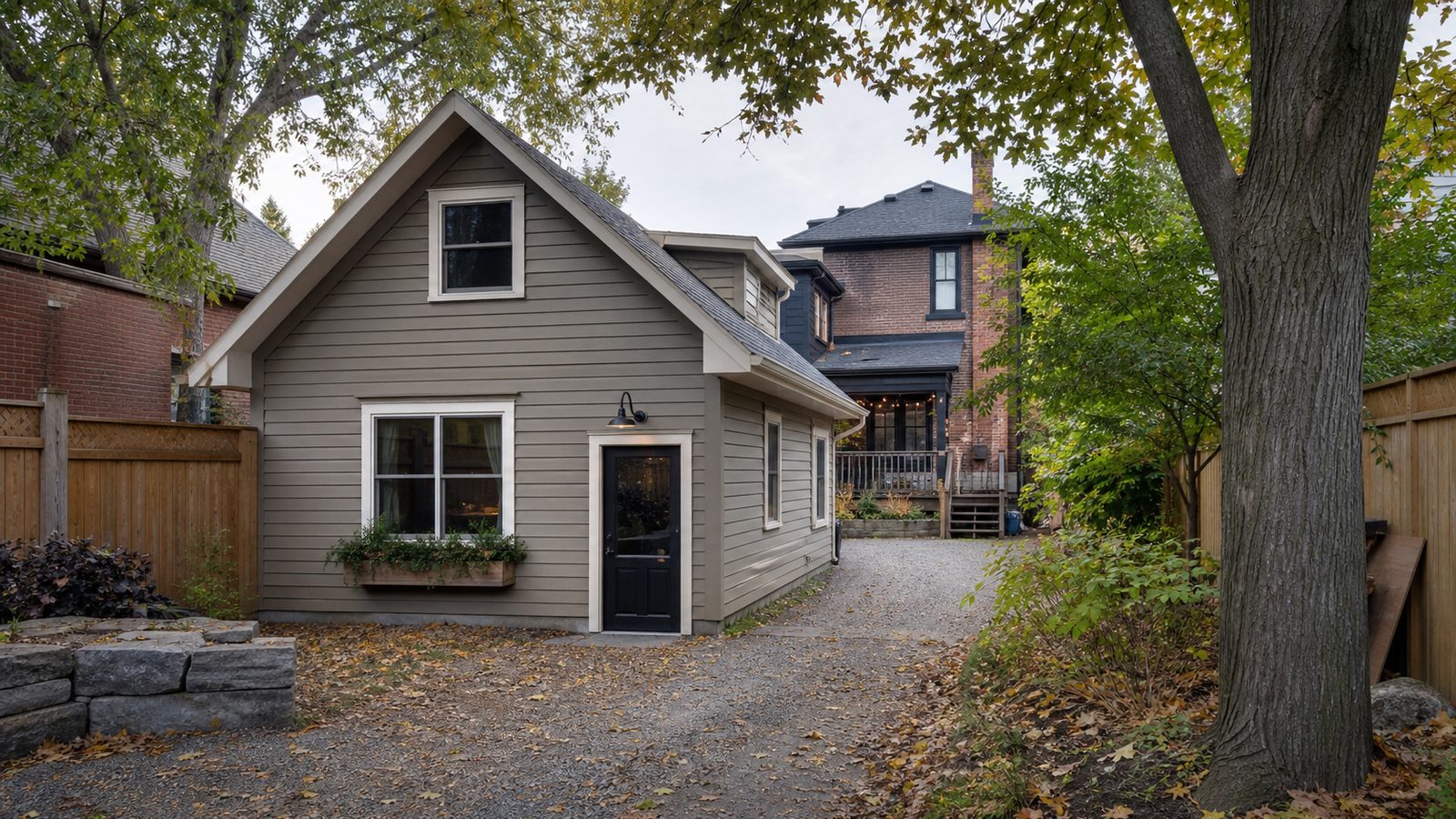
One forward-looking point if you have plans: servicing decides how many dwelling units a lot can carry. A property on private services — septic or a well — is limited to one additional dwelling unit, where a municipally serviced lot may have two. That kills a lot of country coach-house plans before they start, and the detail is in secondary dwelling units and coach houses.
Private roads: the one that surprises buyers most
A road that looks like a road is not necessarily the City's road. On a private road, the owners along it are collectively responsible for maintaining it — grading, resurfacing, and above all snow clearing, which in this city is not a small commitment between December and March.
The questions to answer before you offer, in writing rather than over a fence:
Is the road public or private? Ask directly, and have your lawyer confirm it rather than relying on how it looks.
If private, is there a road association or maintenance agreement, what does it cost each year, and is it registered against the properties or merely a habit?
Who clears the snow, and what happens if one neighbour stops paying?
Do you have a registered right of way over any land you cross to reach the property? A driveway across someone else's land without a registered easement is a serious problem, not a quirk.
Will emergency vehicles and a school bus use it? Ask the question; the answers are not always yes.
Does your lender have a view? Some are cautious about properties on private roads, which is a financing question you want answered before conditions come off.
Access issues are exactly the sort of thing a lawyer's title search exists to surface, and exactly the sort of thing title insurance may or may not respond to — title insurance and what your lawyer does covers what is and is not within it.
The other things that change beyond the greenbelt
Internet. Do not assume. Check the actual servable speed at the actual address, from the providers who serve it, before you commit — particularly if anyone works from home.
Heating. Natural gas is not everywhere out here. Propane heating, oil and electric all have different running costs and different insurance questions — and an oil tank has its own considerations, covered in what to check in an older Ottawa home.
Snow. A long private driveway is a machine, a contract or a lot of Saturdays. Price it.
Waste collection and school bus routes, which may or may not reach you.
Zoning. Rural zones permit different things, and agricultural land has its own rules. Look it up on the City's map before assuming anything about what you may build — see Ottawa zoning.
Before you offer
Book a septic inspection as a separate scope, and ask for the permit and certificate of completion on the existing system.
Test the water — bacteria free through Ottawa Public Health, and a paid chemical panel once, so you know the baseline.
Get a flow test if the household size is changing.
Establish whether the road is public or private, and get any maintenance agreement and right of way confirmed by your lawyer.
Check the internet at the address, from the providers who actually serve it.
Confirm the heating source and its costs, and get an insurance quote that reflects it.
Check the zoning and the servicing if you have any plan beyond living in the house as it stands.
Done in that order, rural property is not riskier than urban property — it is differently documented. The failures happen when a city purchase process is applied to a country property and nobody asks who owns the road.
Three different moves get called relocating to Ottawa, and they have almost nothing in common. Arriving from another province means learning Ontario's closing costs. Moving across the river to Gatineau means changing province — a different tax, a notary instead of a lawyer, and a different everything else. And moving within the region is really a commute decision.
Older Ottawa homes carry a short list of specific, findable problems: radon, knob and tube or aluminum wiring, vermiculite insulation, galvanized or lead plumbing, and a buried oil tank. None of them is a reason to walk away on its own. All of them are reasons to write a condition rather than waive one.
An in-law suite, a granny flat, a garden suite, a basement apartment — an Ottawa lot with a principal dwelling may have up to two additional dwelling units, three in total, but how many you actually get depends on your servicing rather than your ambition. What makes a legal basement apartment, why a septic system caps you at one, and why converting an existing basement still needs a permit.
What does an inspection cover? A few hundred dollars of clarity on a several-hundred-thousand-dollar decision. What Ottawa inspectors typically look at, what they don't, what the inspection cost buys, and how the deficiencies they find fit a conditional-on-inspection offer.
July 22, 2026
Get Ottawa property guidance in your inbox
You'll get: First-time buying explainers · Selling guidance · New-build and builder updates · Neighbourhood guides · Renting and ownership costs · Local market context.
Occasional emails. No spam, and you can unsubscribe with one click. By subscribing you consent to receive emails from Ottawa Property Guide. We record the date and source of your consent, as Canadian anti-spam law (CASL) requires. Read our privacy policy.