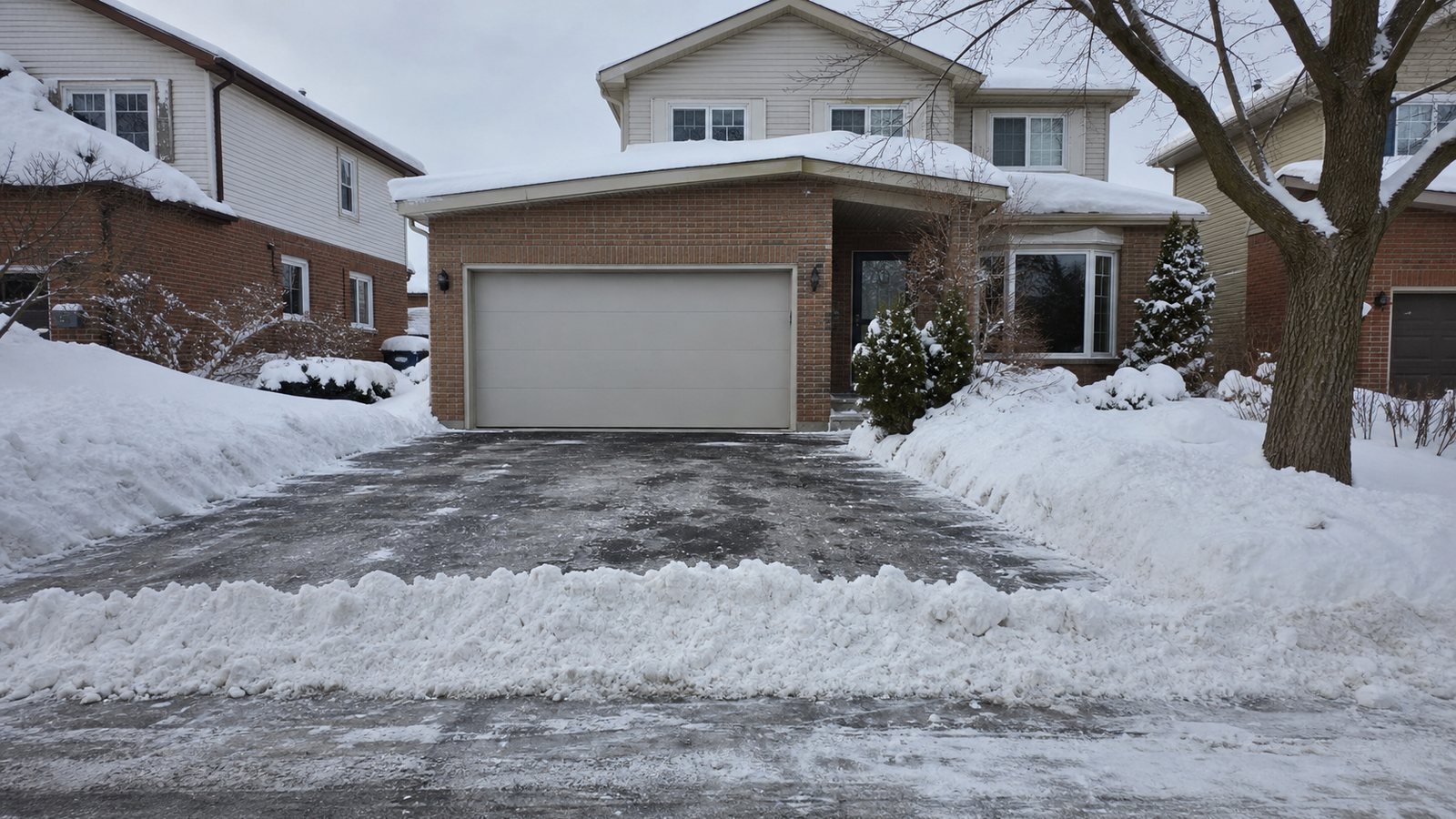
The Ottawa fall home maintenance checklist — what to do before the freeze does it for you
Ottawa winters don't forgive procrastination. A few weekends of fall work — furnace, gutters, grading, faucets, weatherstripping, and a snow plan — is the cheapest insurance a homeowner here can buy. Here's the full checklist, in the order the season demands it. Seasonal maintenance in the order it matters — and how to winterize before the freeze does it for you.
By Ottawa Property Guide EditorialPublished July 22, 2026 Last verified July 31, 2026
In most climates, fall maintenance is good practice. In Ottawa — where the ground freezes hard, meltwater refreezes overnight, and a furnace failure in January is an emergency rather than an inconvenience — it's closer to mandatory. The work below fits into a few weekends between Thanksgiving and the first hard freeze, and every item exists because skipping it has a specific, expensive winter consequence.
Heat first: the furnace
Book a professional furnace service before the heating season — technicians' calendars fill fast once the first cold snap hits
Replace the furnace filter now, and stock enough filters to change them through the winter
Test the thermostat's heating mode on the first cool day, not the first cold one
If you heat with gas, test carbon monoxide alarms and replace any past their stamped expiry date
Clear stored items away from the furnace and hot water tank, and make sure exterior exhaust vents are unobstructed
Gutters and downspouts
Clear eavestroughs after most leaves are down — in mature Ottawa neighbourhoods that usually means a second pass in late fall
Flush downspouts with a hose and confirm water actually exits at the bottom
Make sure downspout extensions carry water well away from the foundation, not onto the walkway where it will refreeze into a skating rink
Check that gutters are securely fastened — ice loading will find any loose hanger
Note any spots where water overflowed during fall rains; those are your ice-dam candidates in February
Grading and drainage, before the ground locks up
Once the ground freezes, regrading is over until spring — and spring melt is exactly when bad grading floods basements. Walk the perimeter now:
Confirm soil slopes away from the foundation on every side; top up low spots that have settled over the summer
Fill gaps where soil has pulled away from the foundation wall
Check window wells for debris and drainage, and clear them of leaves
Look at where neighbouring roofs and driveways shed water — meltwater doesn't respect property lines
Outdoor faucets and everything that holds water
Shut off the interior valve feeding each outdoor faucet, then open the outdoor tap to drain the line — a burst pipe inside a wall is one of winter's costliest surprises
Disconnect, drain, and store garden hoses
If you have in-ground irrigation, have the system blown out professionally
Drain and store rain barrels upside down or with the valve open
Empty birdbaths, fountains, and anything else that becomes an ice sculpture with expansion damage
Weatherstripping and the building envelope
On a windy day, feel around doors and windows for drafts — a lit incense stick makes leaks visible
Replace flattened or cracked weatherstripping on exterior doors, and check the door sweep at the bottom
Re-caulk gaps around window frames and where pipes and vents pass through exterior walls
Check the attic hatch for insulation and a proper seal — it's a common, cheap fix
If some rooms were noticeably cold last winter, this is the season to investigate why, while trades are still bookable
The snow plan
Decide in October how snow leaves your property in January. That means:
Shovels and ice melt bought before the first storm empties the shelves
A working snow blower — serviced, fuelled, and started at least once in the fall
Or a snow-clearing contract signed early; reputable operators cap their client lists well before the first snowfall
Driveway markers placed before the ground freezes so plows and blowers can find the edges
A clear spot chosen for snow storage that won't melt toward the foundation or block sightlines
Know your responsibilities for the sidewalk fronting your property — check current City of Ottawa rules
The bottom line
Every item above is cheaper in October than its consequence is in January. Work through the list on a couple of crisp weekends, and winter becomes something Ottawa homeowners watch through the window instead of fight in the basement.
Fall is the heaviest of the four seasons for maintenance, but it is not the only one that matters. The rest of the year: winter, which is managed rather than prepared for and where the City's snow rules bite; spring, which is really an inspection season and shows you what the ice did; and summer, the only stretch long enough to fix anything properly — and the right time to book the furnace service at the top of this page.
By January the preparation is done and winter is something you operate. This is the in-season checklist: ice dams and what they actually mean, roof snow load, keeping pipes from freezing, the condensation on your windows that is telling you something, and the two City of Ottawa rules that catch homeowners out every year — the windrow is yours, and pushing snow onto the road is against the by-law.
Spring in Ottawa is not a gardening season, it is an inspection season. Five months of freeze-thaw, ice loading and road salt have just finished working on your house, and the melt is the one time of year the drainage problems show themselves. Here is the spring maintenance checklist in the order the thaw demands it — roof and ice-dam damage, the melt test, regrading the ground you could not touch in November, frost heave, and getting the air conditioning looked at before every technician in the city is booked.
Summer is the quietest maintenance season and the most wasted one. It is the only stretch of the year when the exterior is dry, the ground is workable, trades are bookable and nothing is an emergency — which makes it the season to do the work that becomes impossible in November. Humidity and the basement, the deck and fence, exterior paint and caulk, the roof you can finally look at, and why the smartest thing you can do in August is book your furnace service.
The federal grant most people still ask about is closed. What replaced it is income-tested. But the provincial rebates on a heat pump, insulation and windows are substantial and open to everyone, and the City of Ottawa lends against energy efficiency work at a fixed rate over twenty years, repaid through your property tax bill. The trap is sequencing: several of these have to be applied for before the work is done, not after.
Every homeowner eventually hires someone in a hurry, at the worst moment, from the first name that answers. Ontario gives you a specific protection for exactly that: a contract signed in your home can be cancelled within 10 days, for any reason. How to choose a contractor when you have time — the contractor deposit, the insurance, the building permit for renovation work — and what changes in an emergency repair.
What does an inspection cover? A few hundred dollars of clarity on a several-hundred-thousand-dollar decision. What Ottawa inspectors typically look at, what they don't, what the inspection cost buys, and how the deficiencies they find fit a conditional-on-inspection offer.
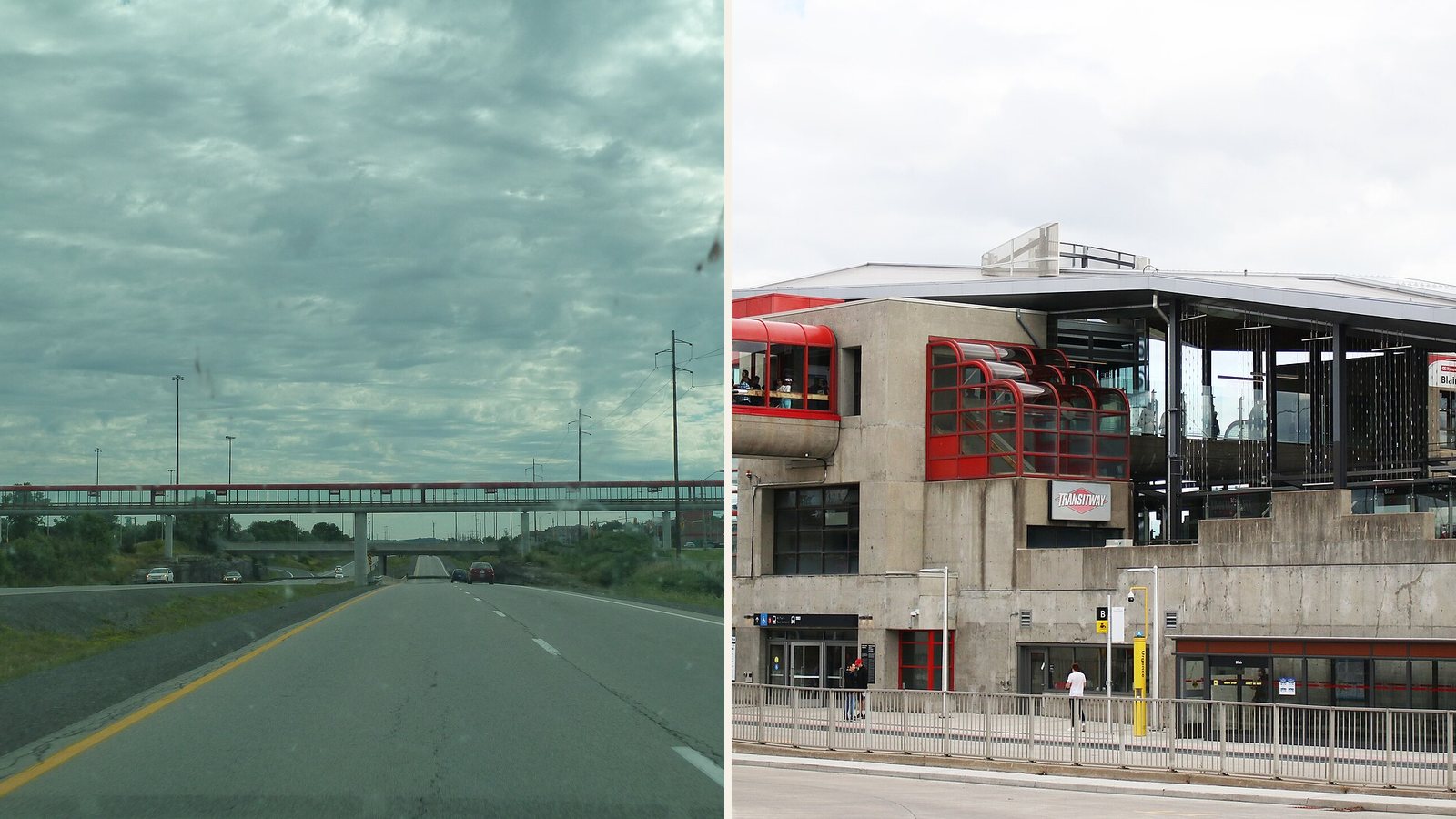
Ottawa's big east-end suburb — bilingual community life with deep francophone roots, family subdivisions from the 1980s onward, river and greenbelt edges, and an LRT arrival that is rewriting its commute story.
Ottawa's fast-grown southwest suburb — newer family housing at scale, big-box convenience, strong community infrastructure, and a car-first commute that residents plan their lives around.
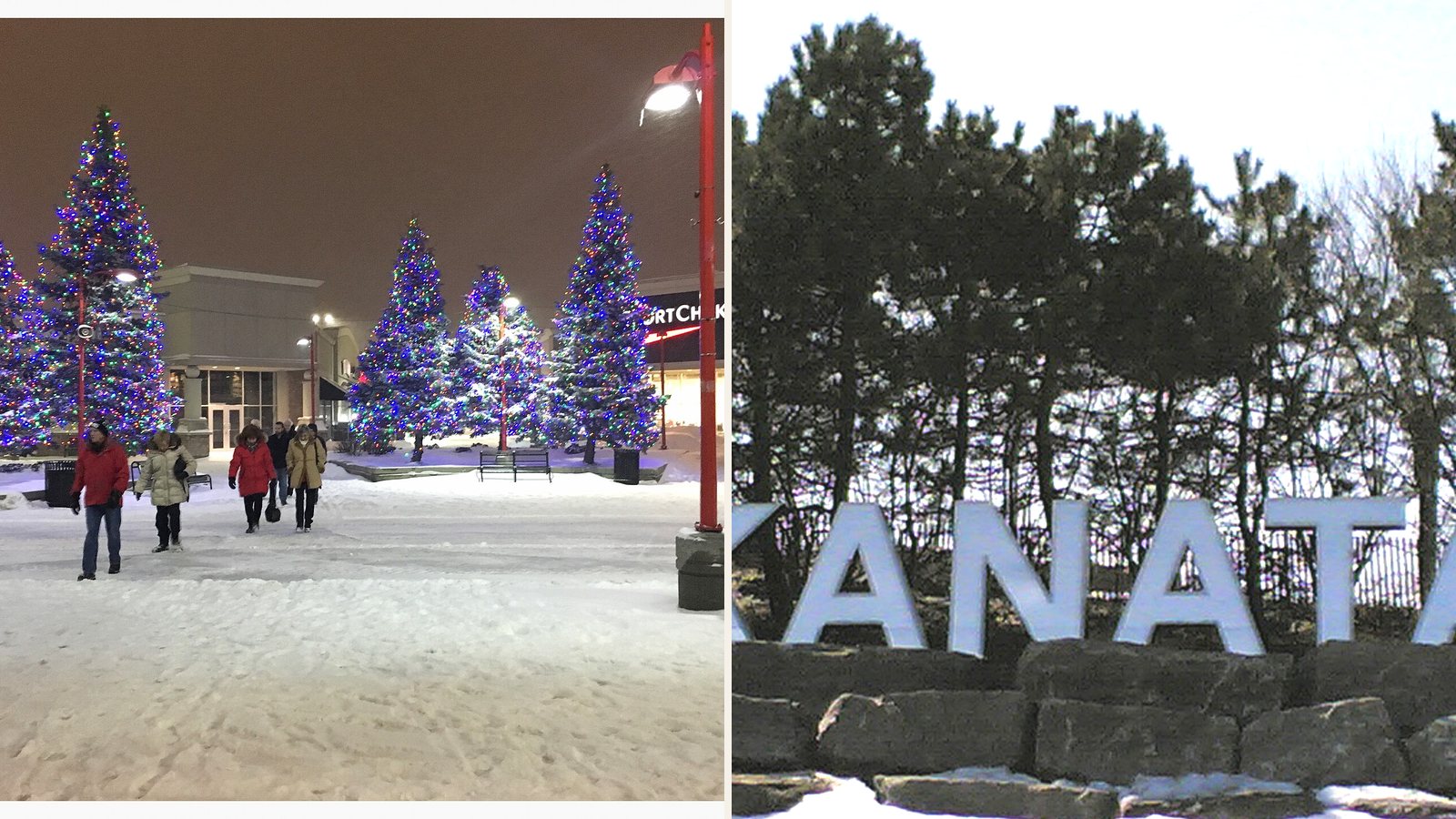
Ottawa's west-end tech suburb — planned communities around the Kanata North business park, family subdivisions, trails and ponds, and a location that shortens tech commutes while lengthening downtown ones.
SuburbanFamily-friendlyGreen space
Get Ottawa property guidance in your inbox
You'll get: First-time buying explainers · Selling guidance · New-build and builder updates · Neighbourhood guides · Renting and ownership costs · Local market context.
Occasional emails. No spam, and you can unsubscribe with one click. By subscribing you consent to receive emails from Ottawa Property Guide. We record the date and source of your consent, as Canadian anti-spam law (CASL) requires. Read our privacy policy.